
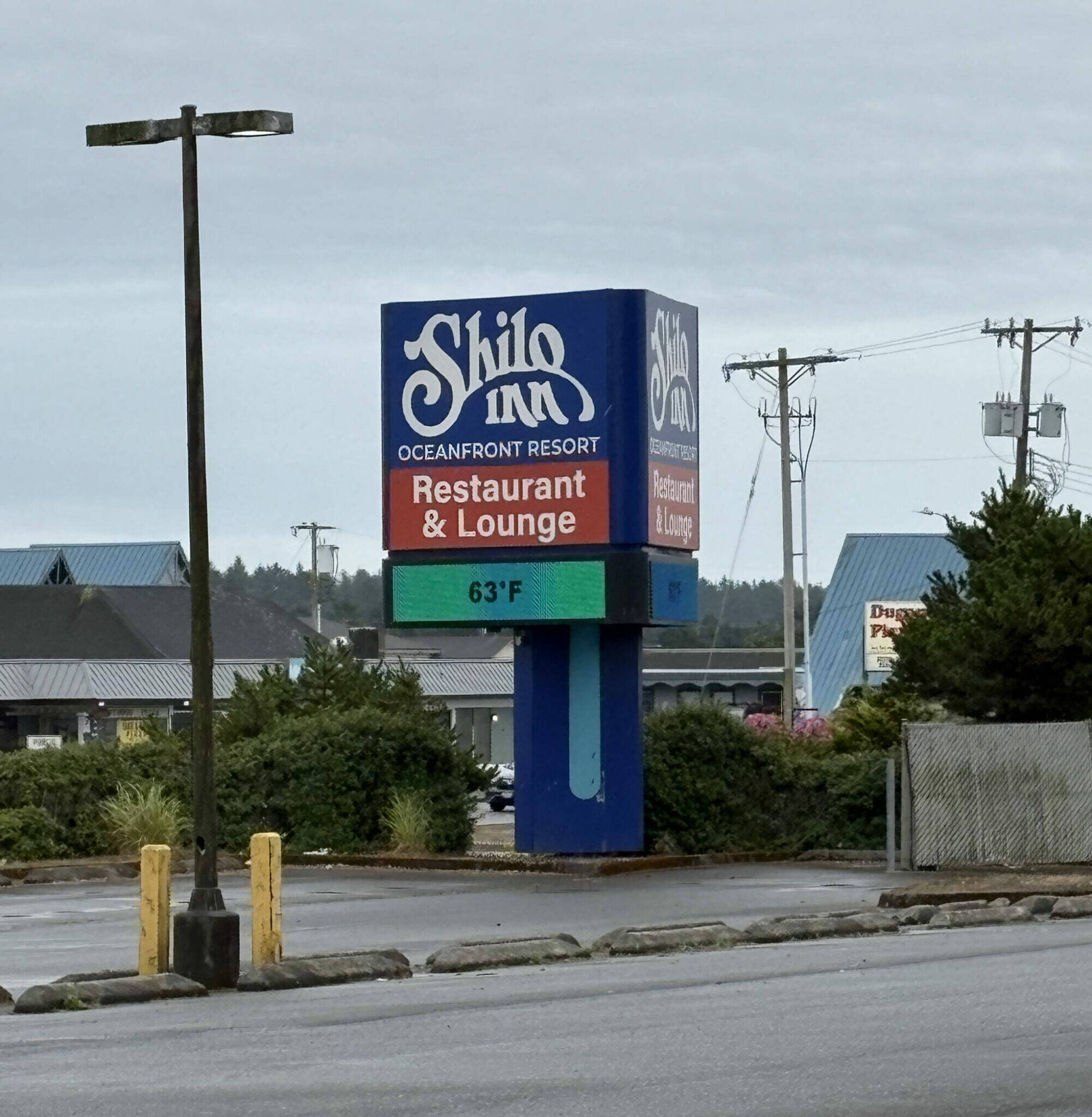
The term impeccable timing might be a bit on the nose, but in light of the recent closure of the Shilo Inns Ocean Shores due to multiple health code violations, the passing of the new lodging ordinance in the seaside town couldn’t have happened at a better time.
Although the violations detailed by the city and the Washington State Department of Health that precipitated the closure of the hotel fall under the health code, the city now has legal oversight over temporary lodging facilities, including hotels, Airbnb, Vrbo and similar short-term rental properties, thanks to an ordinance penned by City Councilor Richard Wills.
There are 18 properties listed in the “Hotels & Lodging” category on the Tourism Ocean Shores’ website, while the city hosts some two dozen festivals and conventions in a calendar year. With Ocean Shores’ main attraction miles of smooth sandy beaches, it stands to reason the hotel industry is at the forefront of the shoreline community.
In 2023, Ocean Shores Police Chief Necci Logan estimated the number of annual visitors to Ocean Shores at 150,000. Although a healthy number of non-residents who venture to the North Beach area rent RV lots and camp, thousands of people patronize the local lodging facilities annually.
However, due to complaints about cleanliness and disrepair combined with perceived and actual absentee ownership, the city took it upon itself to assume oversight of the conditions of lodging facilities in the seaside town. Wills spearheaded this effort that began with an email summarizing bad reviews of local hotels.
“The whole thing started when Shannon Rubin (of The Canterbury Inn) sent an email to the city talking about the reviews that some of the hotels in Ocean Shores are receiving. I read her letter and I got really interested and looked online and saw the reviews for myself. It’s only a handful of hotels,” Wills said. “The reviews included things like bloodstains on the sheets, or pillowcases, on mattresses, brown, probably feces, streaks on the walls in the bathroom. When I started seeing all of those reviews, I contacted Shannon, and she, at some point, had sent in one of her emails to city council an outline of an idea for an ordinance.”
As a result, Wills became aware of and started attending meetings of the Ocean Shores Hotel Coalition. He listened to the concerns of the hoteliers, the general managers and the property owners and then proposed a draft ordinance, which was based on legislation from Arlington, Texas.
After several drafts and iterations, Wills said it was decided that rather than reinvent the wheel and write a brand new ordinance, the Washington State Department of Health Transient Accommodations Resource Book and applicable sections of the Washington Administrative Code (WACs) should be included and adopted by reference. Each time these resources are updated, the Ocean Shores lodging ordinance would then be automatically updated as well.
At the June 10 city council meeting, Councilor Rich Hartman made some pointed remarks regarding the condition of certain hotel properties in Ocean Shores.
“I’ve been into virtually every hotel because I’m a customer. I have to place people in hotels and I actually walk through them and look at them and I look at the holes in the doors, I look at the mattresses,” Hartman said. “None of us up here (city council) caused this problem. The problem is caused by out of town hotel owners that don’t care. So, you have a choice. You have a seven-member board that you elected and we have been beat up enough to where we have no choice but to enact some kind of check and balance. … We are losing business and we are losing business to other hotels on the peninsula because of the lack of caring from these out of town hotel owners.”
The Ocean Shores City Council voted unanimously to adopt the ordinance at the July 8 meeting.
According to Wills, the ordinance gives the city the legal right to conduct periodic inspections.
“We are trying to supplement the county and state health departments because they have too much ground to cover,” Wills said.
He added that Ocean Shores Building Inspector Dominic Deibel will serve as the inspecting official.
The ordinance states, “The Inspection Official shall inspect each hotel premises, to include the physical examination of an appropriate sampling of guest rooms, not less than once every 24 months, for compliance with the provisions of this article. The Official may inspect or reinspect hotel premises more frequently and or vary the number of guest rooms included in the sampling as deemed necessary and proper to achieve and maintain continuing compliance.”
Wills says that even though tourism and revenue are major concerns for the city, ultimately, health and safety are the key drivers for passing this ordinance.
“Tourism is a significant fiscal leg the city stands on. The real thing that drives the ordinance is health and safety concerns,” Wills said. “The state has specific standards that have to do with safety and health. There’s not a cop in every room, that would be ludicrous, but to have an opportunity to inspect and make sure the hotels are maintaining state required standards. … The purpose of this ordinance is to motivate the hotels to comply.”
According to Wills, the Shilo Inns Ocean Shores is a good example of why this ordinance was drafted and adopted.
“The standards of maintenance and care of guests of the Shilo have been substandard for a long time,” Wills said. “This motivates those owners because with this ordinance, the city has the ability to shut that hotel down.”
Wills added that every effort has been made to notify Ocean Shores hotel owners of the new ordinance.
“We did the best that the resources available would allow us to do,” he said.