
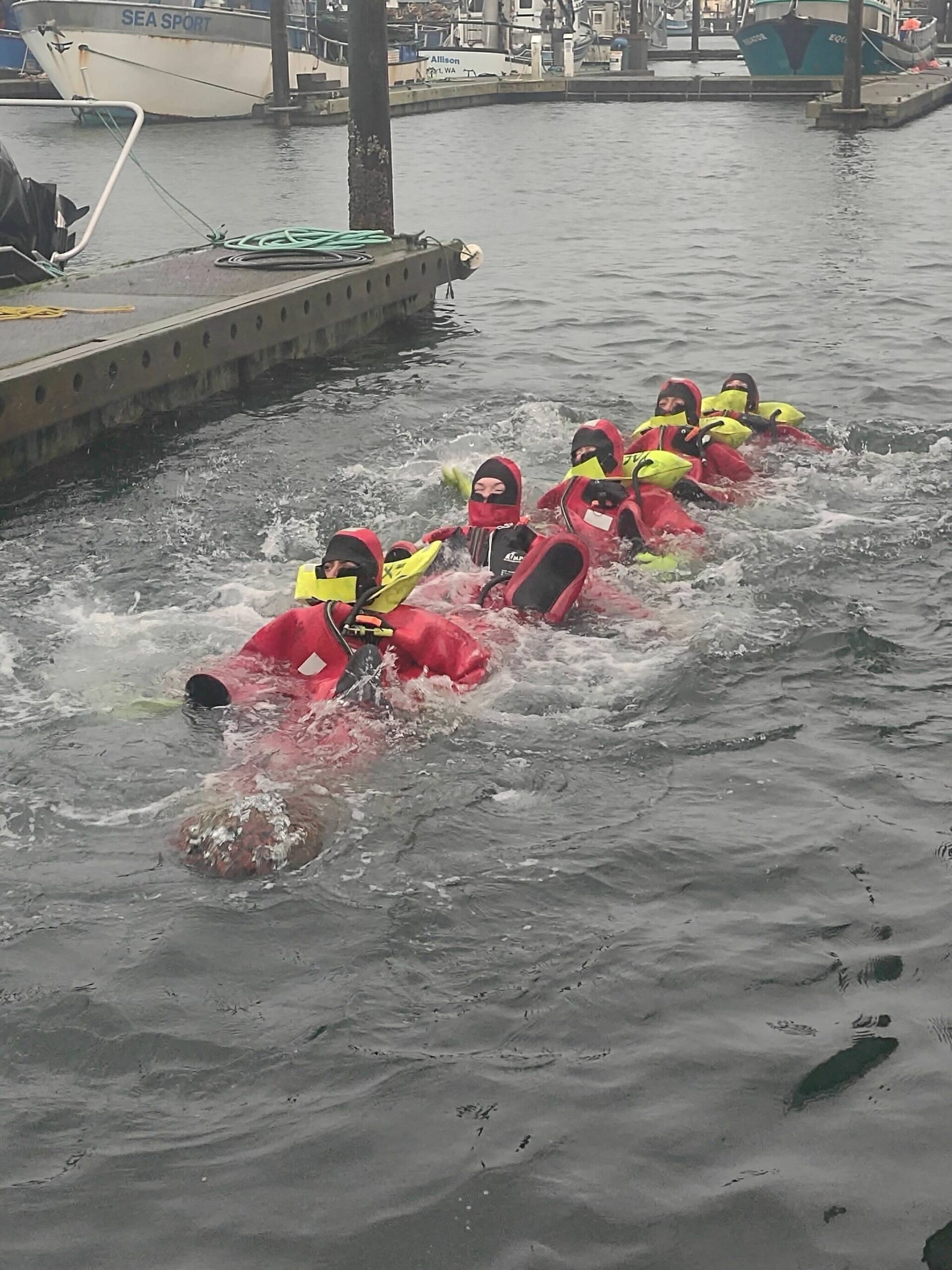
The first-ever Washington Fishermen’s Convention was held in Westport this past weekend. Attendees, including new and experienced fishermen, took part in classroom instruction at McCausland Hall and The Siren and practical training in the chilly winter waters of the Westport Marina.
Topics and exercises included Washington fisheries, a day in the life of a commercial fisherman, finance and insurance, knot tying, regulations and licensing, damage control, first aid, safety, and the use of different types of signal flares.
Hosted by Washington Sea Grant with funding from the Young Fishermen’s Development Act, the convention’s purpose was to bring together experienced commercial fishermen and those new to the industry.
Molly Bold, general manager of Westport Marina, said, “Here in Westport, the seafood industry is a cornerstone of our economy and identity. There’s a real need to better support those who want to enter this field and ensure its future.”
“Our hope is that the Washington Fishermen’s Convention will bring together our diverse fishing sectors, different generations of fishermen, and those with decades of experience along with new fishermen for a few days of workforce development and social connection,” said Bridget Trosin, Washington Sea Grant fisheries and boating team lead. “Our commercial fishermen are an important part of Washington’s maritime culture, and we need more of them.”
On Sunday, Congresswoman Emily Randall (WA-06) was able to pay a visit to the convention.
“I was fortunate to attend the inaugural Fishermen’s Conference to highlight the vital role our fishing community plays in putting food on our tables and supporting our local economy,” Randall said via Facebook. “Thank you to everyone working to train the next generation of fishermen, lead critical conservation efforts, and ensure crews are prepared for search and rescue. Your work keeps our coastal communities strong and our waters working for all of us.”
Washington Sea Grant, based at the University of Washington, is one of 34 Sea Grant programs supported by the National Oceanic and Atmospheric Administration. These programs, located in coastal and Great Lakes states, encourage stewardship of marine resources through research, education, outreach, and technology transfer.
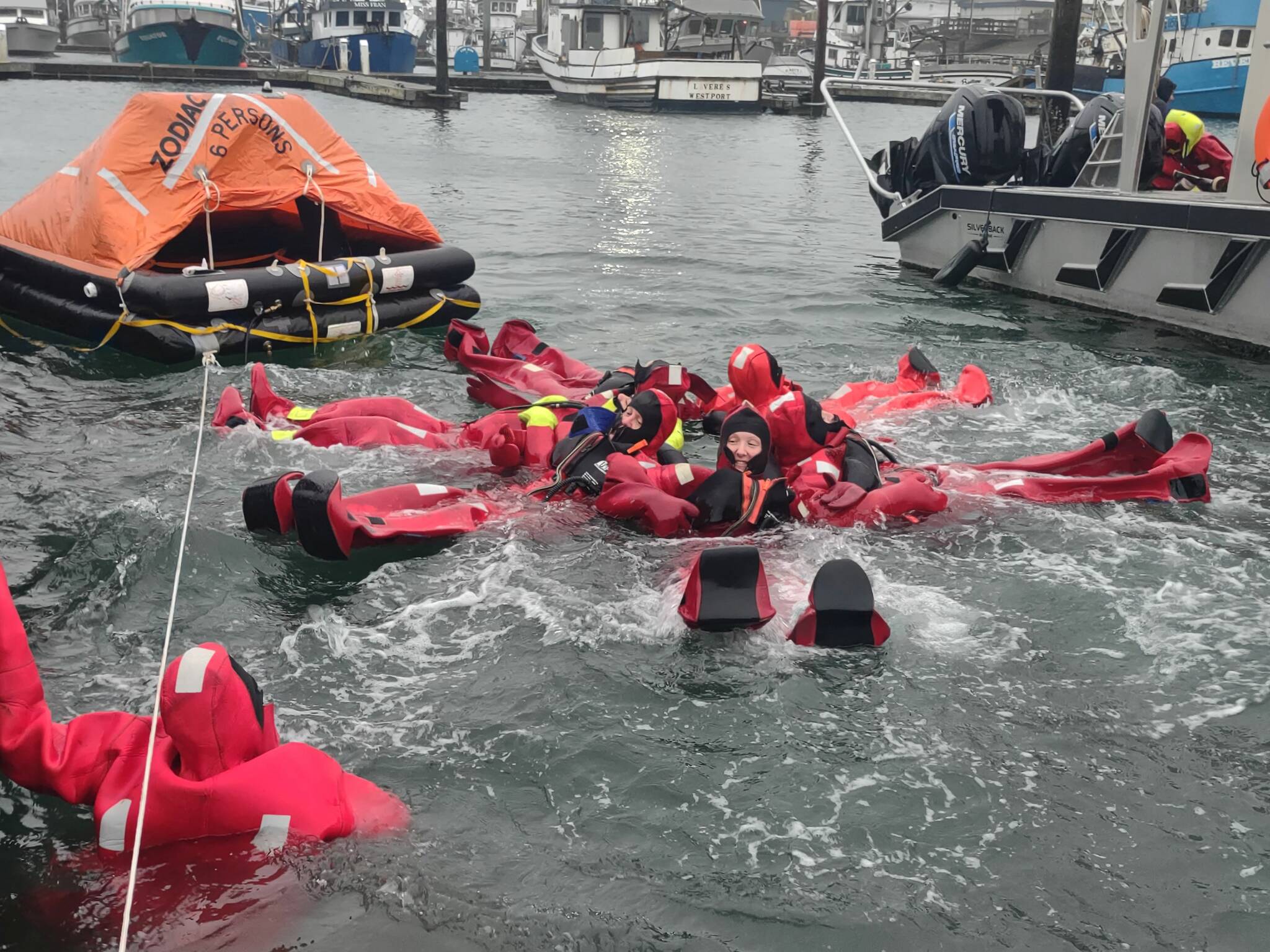
John Shaw 2025 Washington Fishermen’s Convention attendees brave the cold water of the Westport Marina.
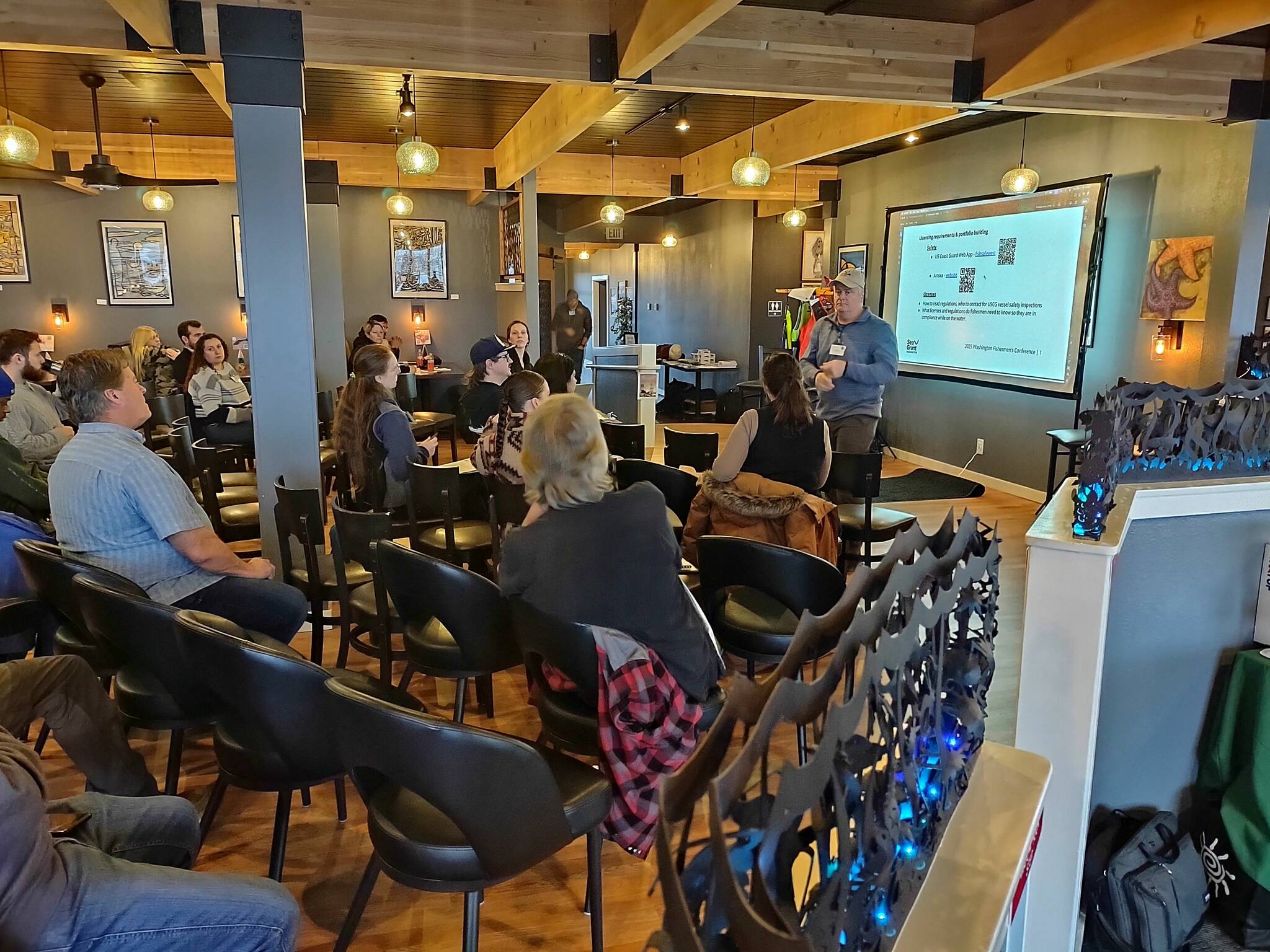
John Shaw 2025 Washington Fishermen’s Convention attendees take part in classroom education.
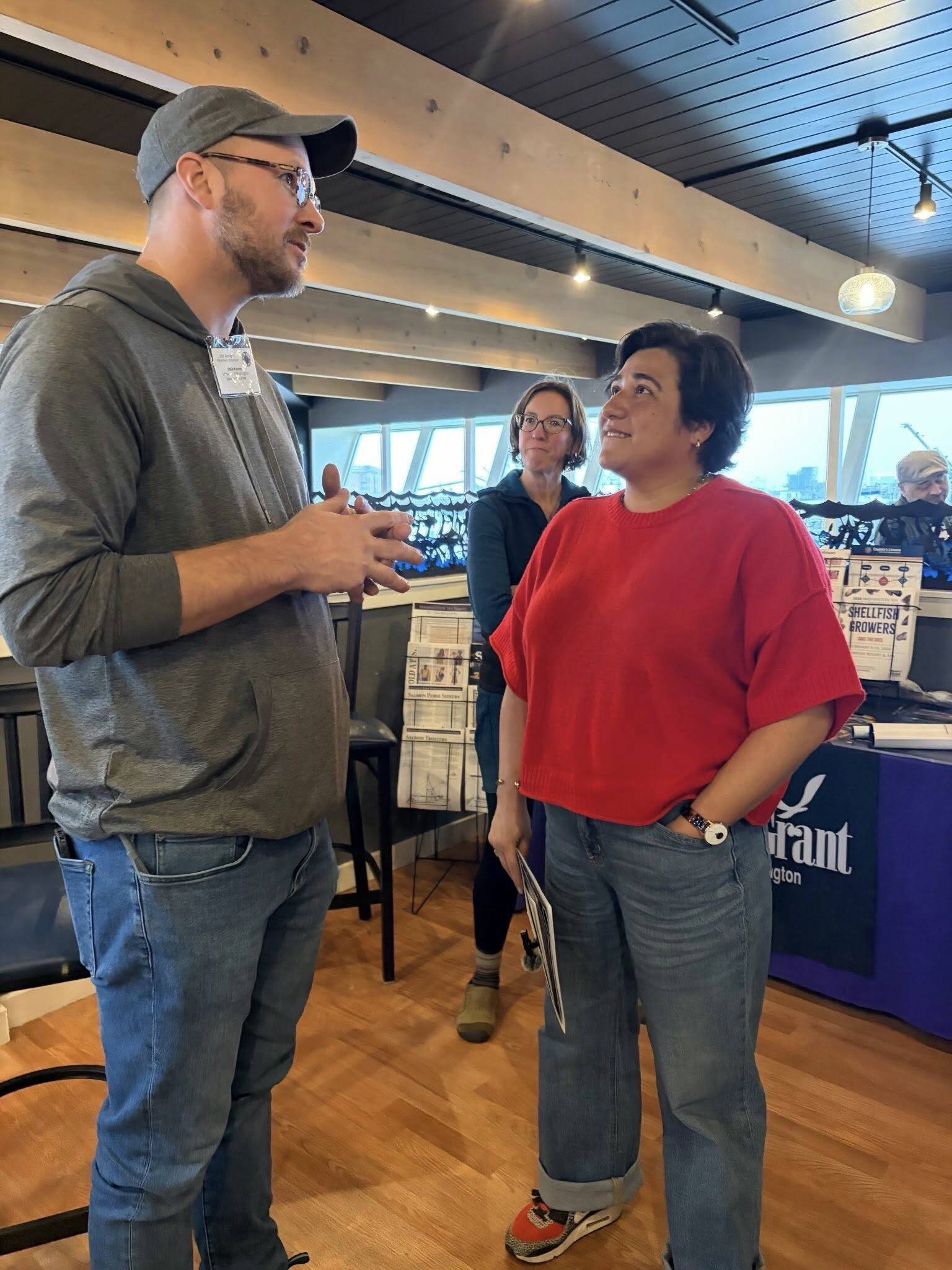
Congresswoman Emily Randall (WA-06) visits the Washington Fishermen’s Convention in Westport. (Emily Randall)