
Editor’s note: This interview first appeared in Path Finders, an email newsletter from the Daily Yonder. Path Finders features a Q&A with a rural thinker, creator or doer.
In rural Washington, access to higher education is often shaped by challenges that extend beyond tuition and coursework. For student parents, the availability of affordable, reliable child care can determine whether college is feasible at all.
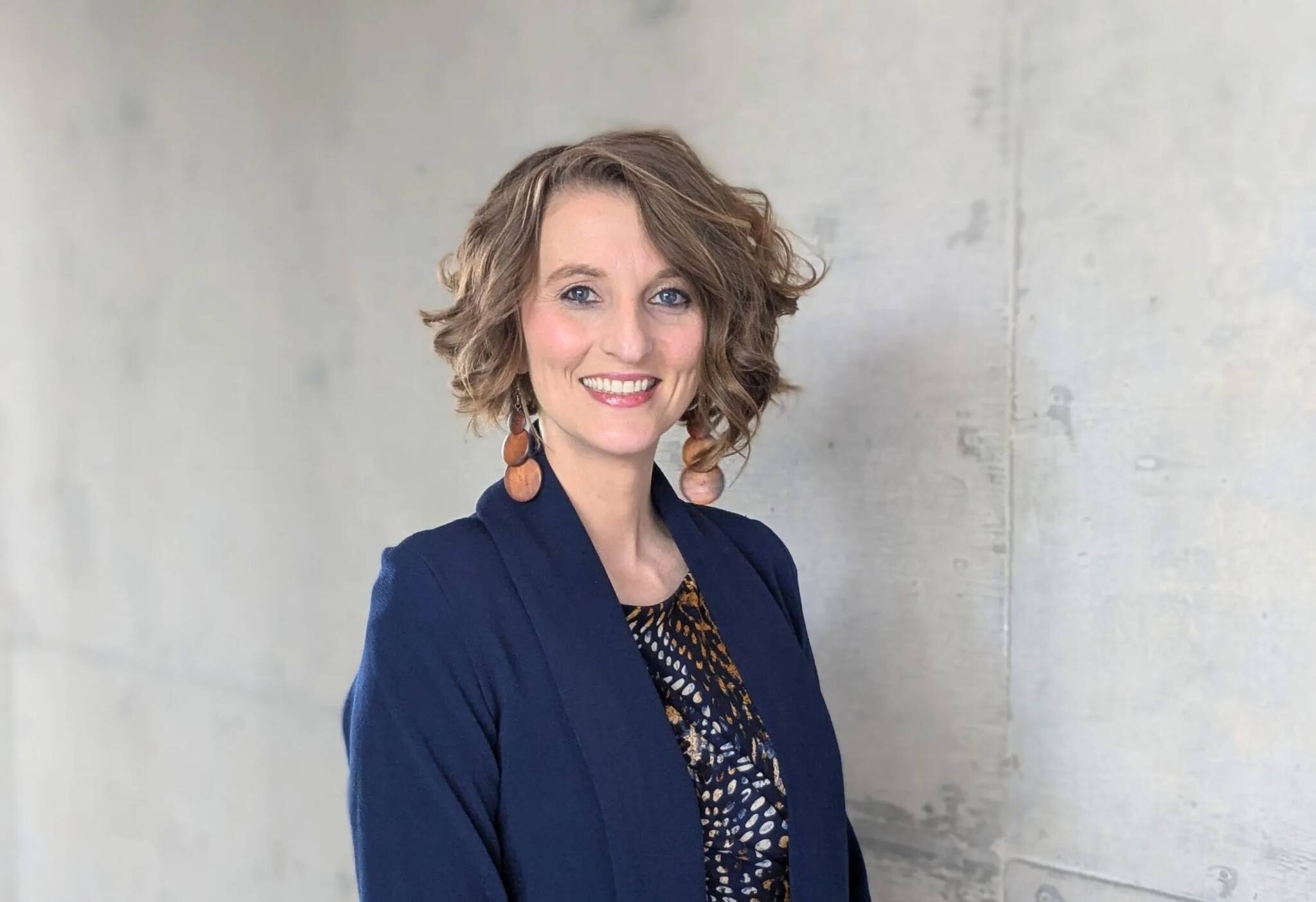
Lisa J. Smith, executive director of the Grays Harbor College Foundation, works closely with rural students at Grays Harbor College in Aberdeen and sees how gaps in public services affect their ability to stay enrolled.
As federal and state support declines, philanthropic organizations like the Grays Harbor College Foundation are increasingly stepping in to provide wraparound services that help students persist. In this Q&A, Smith discusses the role of child care in rural student success, how the Foundation is responding to local needs, and what those efforts mean for the region’s workforce and communities.
This interview has been edited for length and clarity.
Daily Yonder: What is the importance of child care access for rural students?
Lisa J. Smith: Childcare access is deeply intertwined with the economic challenges in our region. Grays Harbor County has one of the largest prime-age employment gaps in Washington, with only 63% of residents ages 25–54 employed — about 15% below the national average. Pacific County is also more than 5% below the national average. In a recent survey conducted for the Recompete Project which is to address this prime-age employment gap, of 378 individuals in this prime-age group, 76% identified as female, and the number‑one barrier they cited was childcare, specifically stating concerns around access, affordability, and flexibility. Those same barriers prevent parents from enrolling in college or seeking additional credentials to improve their earning potential.
DY: How is the Grays Harbor College Foundation expanding child care access?
LJS: In the absence of federal support, the GHC Foundation has stepped in to help fill the gap through our Childcare Assistance Grant program, which provides direct financial support to student parents. As you know, students who qualify for state subsidies have much lower out‑of‑pocket costs than those paying fully out of pocket, so our funds often make the difference between stable care and losing access altogether.
Our goal is to make attending college possible for student parents by ensuring their children are in reliable, licensed care while they pursue their education.
Historically, assistance was limited to our on‑site childcare center. But as the number of providers in the region dwindled, we expanded eligibility to any licensed provider. This shift was intentional: families need care that fits their schedules, is close to home, and is stable long after the parent finishes college. Restricting students to a single provider simply wasn’t meeting local needs.
DY: How does the Foundation’s local, place-based approach allow you to respond to students’ childcare needs in real time?
LJS: Although we aim to support students in advance of a crisis need, we often work with students who are on the brink of losing childcare due to financial setbacks. Many are hesitant to ask for help until the situation is urgent. There have been several times over the years when I’ve personally driven a Foundation check directly to a childcare center to ensure a student didn’t lose their child’s spot. Keeping that childcare in place is often the deciding factor in whether a student stays enrolled and completes their degree.
I also want to highlight how fragile many of our students’ situations are and the range of support we provide beyond childcare. We assist with food through the Harbor Landing Food Pantry, emergency needs like transportation, housing, and utilities, and we offer scholarships for tuition, fees, and books. A 2024 survey focused on food and housing insecurity shows that our students experience significantly higher levels of need compared to the state overall. About 7 in 10 of our students face food and/or housing insecurity, and a similar number reported food insecurity in the last 30 days. Nearly half experienced housing insecurity in the past year, and almost half faced both food and housing insecurity. Most concerning, about 2 in 10 students reported experiencing homelessness in the last 12 months — roughly double the state rate.
DY: What role can philanthropy play in serving rural communities that are experiencing cuts from federal and state support?
LJS: As federal and state funding landscapes continue to shift, philanthropic support is becoming increasingly essential — not only to meet students’ basic needs, but also to enrich their learning environments with industry‑relevant technology and equipment. GHC may be the smallest college in the state system and located in a rural, economically challenged region, but we are fortunate to have a community that continually steps up to invest in our students. The college is a vital pillar here, and I often ask donors to imagine what our community would look like if the college weren’t here at all.
I carry a deeply personal reminder of that impact. After a car accident in August 2024, I was transported to the ER at Harbor Regional Health — where three GHC nursing graduates cared for me. In rural communities, our hospitals depend on local talent, and our residents depend on those trained professionals. Supporting students today quite literally strengthens the care, services, and future of our region tomorrow, and having access to childcare is just one of many ingredients to that recipe.