
The Washington Department of Fish and Wildlife (WDFW) is proposing rule changes for state recreational clam, mussel, and oyster seasons to conserve shellfish populations, address increases in harvest effort, and promote sustainable shellfish gathering.
“Minimum size and daily limits help to sustain shellfish beds and keep recreational harvesting opportunities open year after year,” said Camille Speck, WDFW’s Puget Sound intertidal bivalve manager. “Recent shellfish seasons have also seen high turnout — in some cases leading to beach closures. By adjusting season dates at certain beaches, WDFW shellfish managers aim to meet co-management harvest sharing agreements, spread out harvest pressure, and conserve these important natural resources for current and future generations.”
Proposed changes include:
Extending or shortening seasons for some public beaches as part of WDFW’s annual season-setting process.
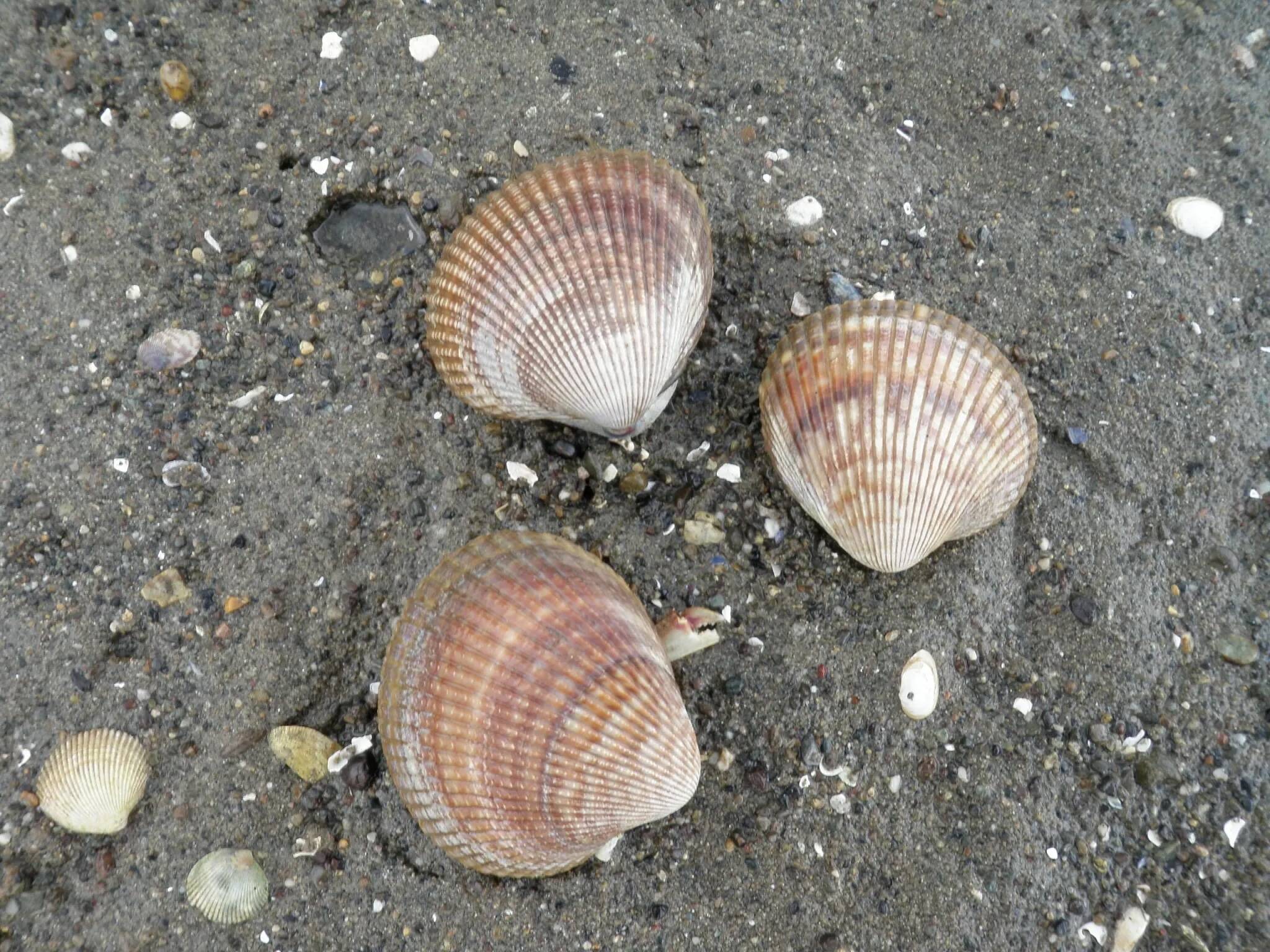
Increasing the cockle minimum harvest size from 1 1/2 inches to 2 1/2 inches.
Decreasing the geoduck daily limit from three to one.
If adopted, the changes would take effect in the 2026 season.
“Increasing the minimum harvest size for cockles better aligns with this species’ biology, allowing more cockles to reach reproductive age and supporting long-term sustainability,” Speck added. “Geoducks are slow to reproduce, and populations can take decades to recover after harvesting. Populations in the intertidal zone are particularly vulnerable, and harvest can have impacts on habitat.”
WDFW will host a virtual public hearing on the proposed rule changes at 5:30 p.m. Tuesday, Feb. 24. Register for the meeting through Zoom.
The public can provide comment until 11:59 p.m. Tuesday, Feb. 24, through WDFW’s Public Engagement Portal; by email; by voicemail to 855-925-2801, project code 2788; or by mail to WDFW Rules Coordinator, P.O. Box 43200, Olympia, WA 98504.
Proposed rule changes do not extend to shellfish on private tidelands. Treaty tribes also reserve rights in treaties to harvest shellfish on most tidelands and beaches.