Fishermen are dreaming of a crabby Christmas
Published 1:30 am Monday, November 17, 2025
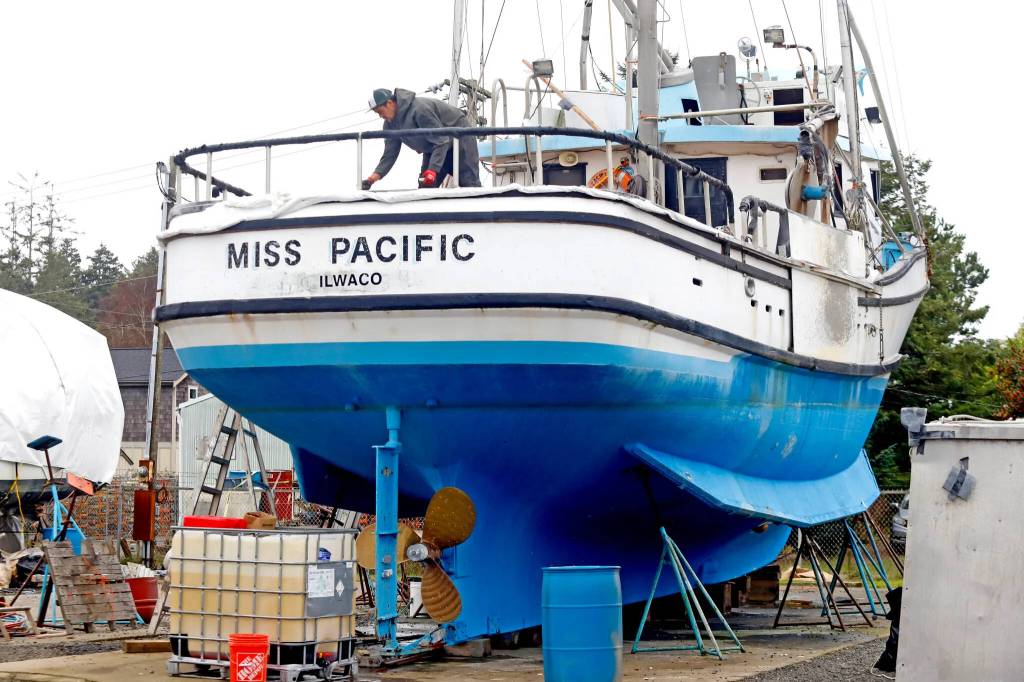
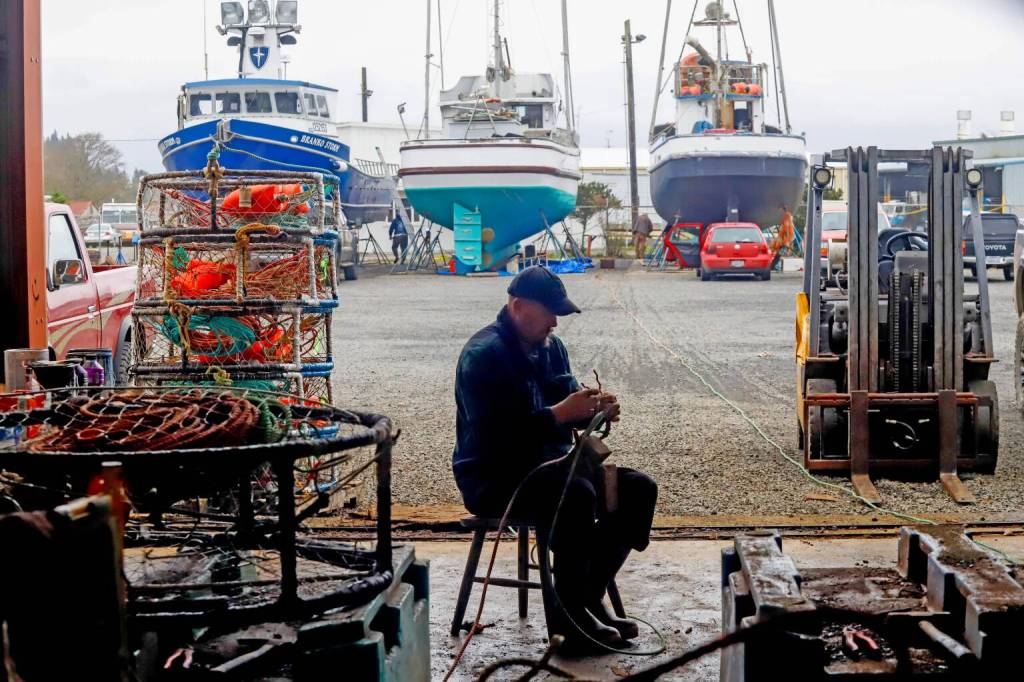
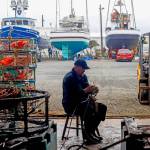
Splicing rope, painting buoys and stacking pots, Washington commercial fishing crews are making final preparations for the most prized fishery in the Pacific Northwest.
The official start of the 2025 Washington commercial Dungeness crab season could come as early as Dec. 1, if the crab pass preseason test fishery results for meat recovery and domoic acid levels.
In the first round of the meat recovery testing, the Long Beach area came close but did not yet meet season-opening criteria for Dec. 1. The percentage of recovery required is 23% on the Washington and north Oregon coasts, with Long Beach measuring 20.9% recovered in tests conducted Nov. 3. The other testing areas were well above the required percentage, with Astoria at 26.4%, Westport 25.0% and Garibaldi 27.1%.
Testing found crab shells have yet to fully harden after their most recent molting, with 64.5% in Long Beach on Nov. 3 and 61.5% in Westport on Nov. 11 still at shell grade II, which is considered too soft to be marketable. However, shells typically harden quickly in our frigid North Pacific waters.
The marine toxin domoic acid, which has sometimes delayed season starts, was barely detectable in any of the Long Beach and Westport tests.
A decision for the season-opening date is expected by the end of the day Friday, Nov. 21.
Hoping for a December start
For commercial crab fishermen, the earlier the start the better. But for many, those December openers are unfortunately becoming fond memories. Over the past nine seasons, there have been only two December starts.
“When we were kids, we always had Thanksgiving sandwiches when we would go and dump our pots,” said commercial fisherman Florian Mumford, who will fish 600 pots this season from the F/V Vengeance while homeported in Ilwaco. “Generally right after Thanksgiving we would go dump and then be hauling gear between the 1st and 5th of December. It was like that forever and then it started changing when I got my own boat.”
Washington commercial crabbers recorded December landings each year from 2008 through 2014, before the next three seasons (2015 to 2018) were delayed until January. Since 2019, Washington has had only one December opener — in 2021. The longest delay occurred during the 2020 and 2022 seasons, when first landings were delayed until February.
Washington commercial crabbers caught a record 24 million pounds in 2022. This past season, commercial Dungeness crab fishermen in Washington caught about 12.1 million pounds of crab (More than 16 million when including the 4.1 million pounds landed by tribal fisheries), generating an ex-vessel value of $83.1 million — the second highest total on record, only trailing $88 million generated during the 2022 season.
The 2025 season officially opened on Jan. 15, following weeks of delays due to low meat yield. The first landings of the season earned a record opening price of $5.75 per pound, which helped buoy a relatively low catch volume.
“There wasn’t much volume, but the price was very good last year, so that helped,” Mumford said.
Each year, the vast majority of Dungeness is landed in the first two months. As in the past, most crab came from the rich waters just west of Long Beach, designated as Catch Area 60A-2, extending approximately from the Columbia River north to Westport. This area accounted for more than 6.5 million pounds, roughly 54% of total statewide landings in 2025.
The importance of the crabbing season starting on time for fishermen — ideally in December — is simple.
“It means Santa Claus will be stopping by your house (for Christmas) instead of going by it,” Mumford said.
Forgotten, derelict crab pots
West Coast states are placing more emphasis on keeping track of crab pots to avoid whale entanglements.
Puget Sound is ‘‘littered” with derelict fishing gear, according to WDFW, with an estimated hundreds of tons of gear collected over time in the sound and the Northwest Straits region, especially the Strait of Juan de Fuca and northern Puget Sound, from Everett to the Canadian border. More than 12,000 crab pots are lost in Puget Sound each year, according to WDFW.
Mumford is among the permitted local commercial fishermen that help clean up forgotten and derelict fishing gear often left from bigger boats from out of the area at the end of each crab season.
“The state gives us tags to get salvage pots, stuff that’s left over from the season,” Mumford explained. “We get a derelict gear permit, then after the season is over, when the state lets us, we get to go out and clean up the ocean, so we don’t have a whale entanglement issue. Hundreds of these [crab pots] get left out there by out-of-town boats.”
Last season there was an increase in commercial crab boats from out of the area, fishermen reported, resulting in an increase of derelict gear left over after the season ended.
“Last year we had two or three boats that fish out of [the Strait of] Juan de Fuca and decided to try it down here, but they had a bunch of light gear and they weren’t familiar with the tides and current and where you could leave gear,” Mumford said. “When they were done, they stacked whatever they could find and left. They left hundreds of pots behind.”
Outsiders
Local waters have always been popular among commercial crabbers, but the surge last season was an exception.
“Last year we had a lot of pressure,” Mumford said. “We had 15 big boats out of Newport and eight from Coos Bay that came down here. That’s a lot of gear. They just kind of leave a mess for ships, tugboats, us and the whales.”
The swell in fishing pressure locally last year is expected to ebb somewhat this season.
“I was told that this year a lot of those guys are staying down south. I guess there’s a huge body of crab off the coast of Coos Bay, according to biologists, so a lot of the boats that came up last season are going to stay down there and fish instead, so that’s good for us,” Mumford said.