Popular Perseid meteor shower lights up WA skies
Published 1:30 am Thursday, August 14, 2025
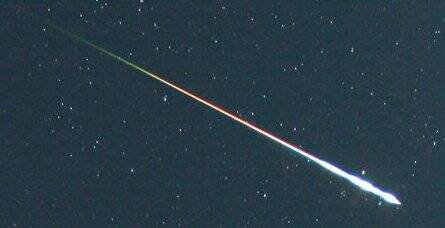
The most popular meteor shower of the summer is about to peak in Washington.
During the Perseid meteor shower, hundreds of bright, fast-moving meteors zip across the night sky. The dazzling display of shooting stars, which typically reaches its height in mid-August, is “considered the best meteor shower of the year,” according to NASA.
The Perseids are a combination of leftover comet dust and particles from broken asteroids. When Earth passes through these trails of space debris, the scraps “collide with our atmosphere and disintegrate to create fiery and colorful streaks in the sky,” NASA said.
The vibrant shower gets its name from the Perseus constellation, since meteors seem to extend outward from that series of stars, the space agency said. The Perseids are known for spitting out bright fireballs and displaying long streams of light and color as they pass through Earth’s atmosphere, according to NASA. The radiant shower can produce up to 100 meteors per hour under pristine dark-sky conditions, National Geographic said, calling it “one of the most reliable and beloved annual displays of shooting stars.”
In 2025, the annual summer meteor shower is active through Saturday, Aug. 23, according to NASA.
“The average person under dark skies could see somewhere between 40 and 50 Perseids per hour,” Bill Cooke, the lead of NASA’s Meteoroid Environments Office, said in a NASA blog post. “Instead, you’re probably going to see 10 to 20 per hour or fewer.”
You can attempt to glimpse some shooting stars in the hours ahead of sunrise, specifically around 2 or 3 a.m., the space agency said.
“A few bright meteors may still be seen in the pre-dawn hours, but viewing conditions are not ideal this year,” NASA said.
Avid stargazers should seek out a rural area with little light pollution and a wide view of the night sky to see the most meteors possible, according to NASA.
According to outdoor clothing manufacturer Kuhl, Olympic National Park is the 10th best U.S. national park to see stars.