WA lawmakers introduce bill allowing tribes to cull sea lions
Published 1:30 am Tuesday, July 21, 2026
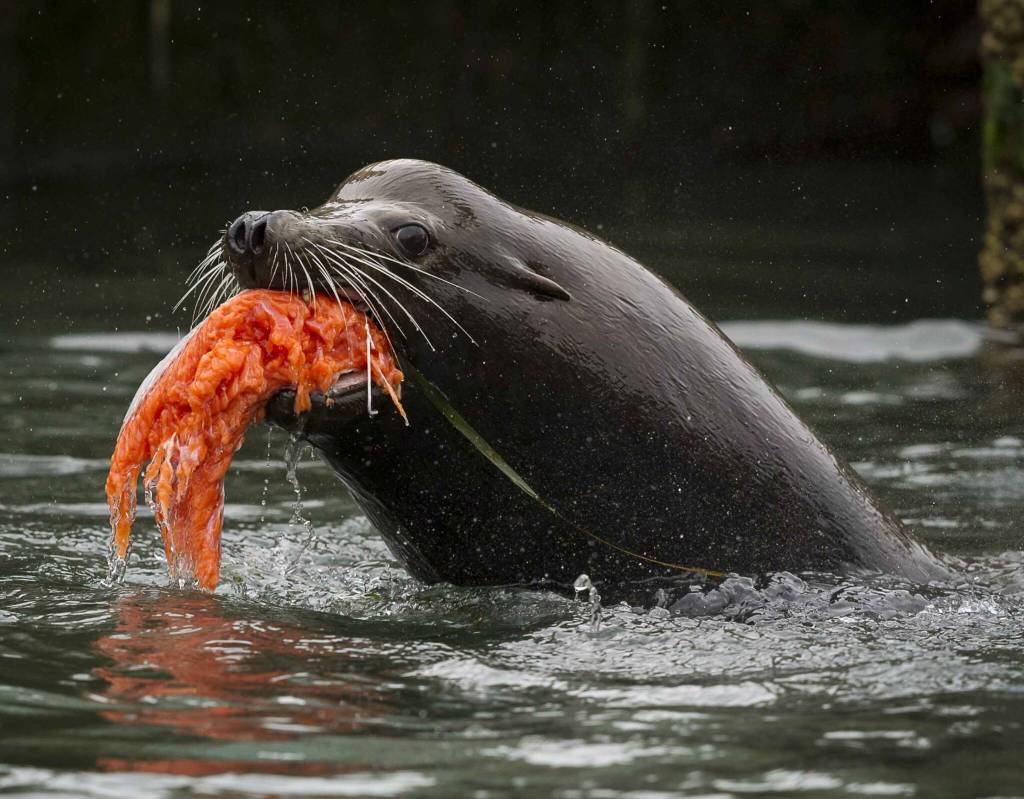
Earlier this month, U.S. Congresswoman Emily Randall (D, WA-06) introduced the bipartisan Northwest Endangered Salmon Predation Prevention Act of 2026 aimed at helping recover endangered salmon runs across the Pacific Northwest.
The bill would improve outdated methods of managing pinniped populations that have soared in recent years. The legislation is supported by Columbia River Inter-Tribal Fish Commission and the Northwest Indian Fisheries Commission, and the Washington Hatchery Coalition.
The legislation would expand Columbia River Pinniped management, authorize a new Washington marine-waters five-year permit system for lethal take, and invest in nonlethal pinniped deterrence technology.
“Tribal nations have long been leaders in habitat restoration and ecological management,” said Congresswoman Randall. “This legislation will add another tool in the toolbox for tribal and state partners to help protect endangered keystone species, including Chinook salmon and Southern Resident Orcas. The bill includes critical guardrails to manage pinniped populations as humanely as possible, with only specific entities being eligible to apply for permits up to five years, and permits will be suspended if they are no longer necessary to protect salmon species. Humane Pinniped management along with removing fish barriers like culverts, reducing the impacts of toxins like 6PPD, and climate mitigation are all key parts of the puzzle to protect salmon for generations to come.”
Over the last decade, Pinnipeds, particularly Steller and California Sea Lions, have migrated further inland into tributaries in Washington, Oregon, and the Columbia River Basin, threatening key species of salmon including Chinook, Coho, Sockeye and Steelhead.
Increased protections under the Marine Mammal Protection Act (MMPA) of 1972 combined with human factors have allowed Pinniped populations to skyrocket. According to the Northwest Indian Fisheries Commission, California Sea Lion population rose from 50,000 to nearly 300,000 on the West Coast from 1975 to 2015, and certain populations of Steller Sea Lions increased from 15,000 in 1982 to over 43,000 in 2019.
The bill is supported by the Columbia River Intertribal Fish Commission and the Northwest Indian Fisheries Commission.
“The treaty tribes have been sounding the alarm for decades about the need to manage outsized populations of pinnipeds,” said Ed Johnstone, chairman of the Northwest Indian Fisheries Commission and a member of the Quinault Indian Nation. “This proposed legislation closes a policy gap between the MMPA and ESA. Allowing pinniped predators to drive down the populations of threatened salmon is inconsistent with the expressed intention of the federal laws. We are grateful to Reps. Michael Baumgartner and Randall for working with the tribes to create this legislation.”
“Columbia basin salmon are not just a resource for our people — they are central to our ceremonies, health, economies, and identities,” said Pual Ward, Federal Government Relations Director for the Columbia River Intertribal Fish Commission. “For decades, this region has invested enormous public resources in dam passage improvements, habitat restoration, and hatchery programs to bring these runs back. Those investments are at risk if we allow in-river pinniped predation to continue growing unchecked. We’ve seen at Bonneville Dam and Willamette Falls that early, targeted action works and adult salmon and steelhead passage increases. This bipartisan legislation lets us build on the best available science from tribal, state, and federal co-managers to more fully address in-river pinniped predation before more of the region’s investment, and more of our way of life, is lost. We thank Rep. Michael Baumgartner and Rep. Randall for advancing bipartisan solutions and for standing with tribes and other co-managers on this important issue.”
Northwest Endangered Salmon Predation Prevention Act of 2026:
Revises the current Marine Mammal Protection Act language to remove references to “temporary” authority;
Broadens the terminology from sea lions to pinnipeds and updates the requirements for lethal takings so that they must follow the Secretary’s determination and permit conditions;
Requires annual reporting on pinniped populations and the effects of pinniped predation on recovering salmon and other fish species in the Columbia River and tributaries in Washington and Oregon;
Removes or adjusts several location-specific references tied to river mile 112 and McNary Dam;
Creates a new Columbia River Pinniped Exclusion Technology Accelerator within the National Marine Fisheries Service to develop non-lethal deterrence tools to prevent pinnipeds from moving further upstream into juvenile fish habitat;
Directs the Secretary, through NOAA fisheries, to study the effects of these actions on listed salmon and steelhead recovery in the Columbia River and tributaries in Washington and Oregon; and
Authorizes permits (up to five years) for eligible entities, including covered Indian tribes with treaty-reserved fishing rights in Western Washington, to engage in intentional lethal taking of certain pinnipeds in covered waters in Washington state
Takings must be humane and carried out by state agencies, qualified contractors, or eligible entities;
Taking permits would be suspended after five years if lethal removal is no longer necessary to protect salmonid and other fish species from pinniped predation; and
Caps annual takings so the total number of authorized takes under all permits cannot exceed 10 percent of the annual potential biological removal level for covered pinnipeds.