Living with black bears roaming throughout Ocean Shores
Published 1:30 am Tuesday, July 21, 2026
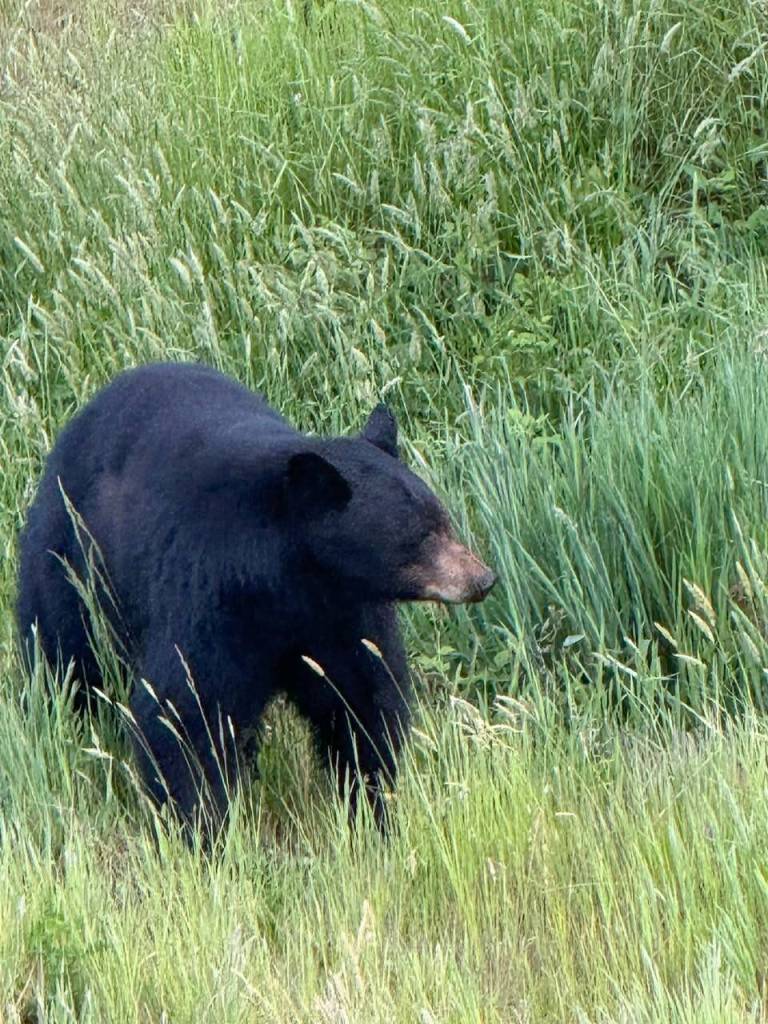
It is that time of the season again where we are seeing more bears roaming our streets and dumping over our garbage cans.
It is recommended to place a rag soaked with disinfectant, such as Lysol, on top of your current trash container. The smell helps deter bears.
A bear’s nose is 100 times more sensitive than a human’s. If you find bleach or ammonia fumes unpleasant, you can imagine what they smell like to a bear. Bleach or ammonia based cleaners are good for trash cans and other areas where strong scents could attract bears. Some people have had some success with covered buckets or other containers filled with bleach or ammonia, with holes punched in the lids to let the scent out, placed outside bear-accessible doors and windows.
Bears also dislike the strong scent of pine-based cleaners, but avoid using anything with a fresh, lemony or fruity smell. And never mix bleach and ammonia; the combination produces fumes that can be deadly to both people and bears.
Some sources recommend ammonia-filled balloons covered with honey or peanut butter as a deterrent; theoretically when the bear tries to bite the balloon, it gets a face full of ammonia instead of a treat. But an eyeful of ammonia or bleach is more than a deterrent – it can seriously injure or blind a bear.
American black bears are the most common and widely distributed bears in North America. In Washington, black bears live in a diverse array of forested habitats, from coastal rainforests to the dry woodlands of the Cascades’ eastern slopes. In general, black bears are strongly associated with forest cover, but they do occasionally use relatively open country, such as clearcuts and the fringes of other open habitat.
The statewide black bear population in Washington likely ranges between 25,000 and 30,000 animals. As human populations encroach on bear habitat, people and bears have greater chances of encountering each other. Bears usually avoid people, but when they do come into close proximity of each other, the bear’s strength and surprising speed make it potentially dangerous. Most confrontations with bears are the result of a surprise encounter at close range. All bears should be given plenty of respect and room to retreat without feeling threatened.
What do bears love to eat?
Bears aren’t out to cause problems. Black bears are very smart and super-resourceful, and will do their best to take advantage of all the easy-to-get at calories we make available:
Accessible garbage and trash
Bird seed, suet, hummingbird feeders
Fruit trees, gardens, natural food sources
Chickens and small livestock
Pet food, horse and livestock feed
Barbecue grills, coolers, outdoor refrigerators
Scented personal care products, scented
Candles, air fresheners