From the Wings: Pumpkins, mice and buskers take the stage at AJ West, Matilda The Musical opening this Friday
Published 1:30 am Monday, April 27, 2026
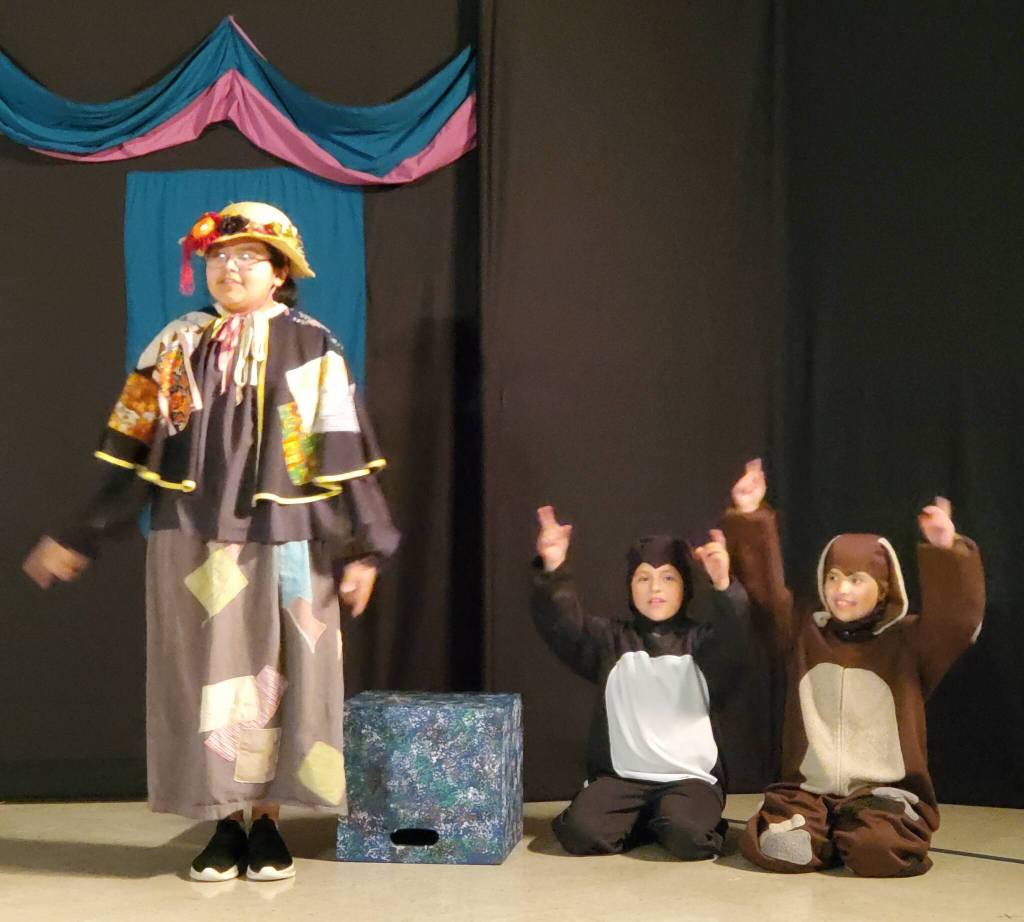
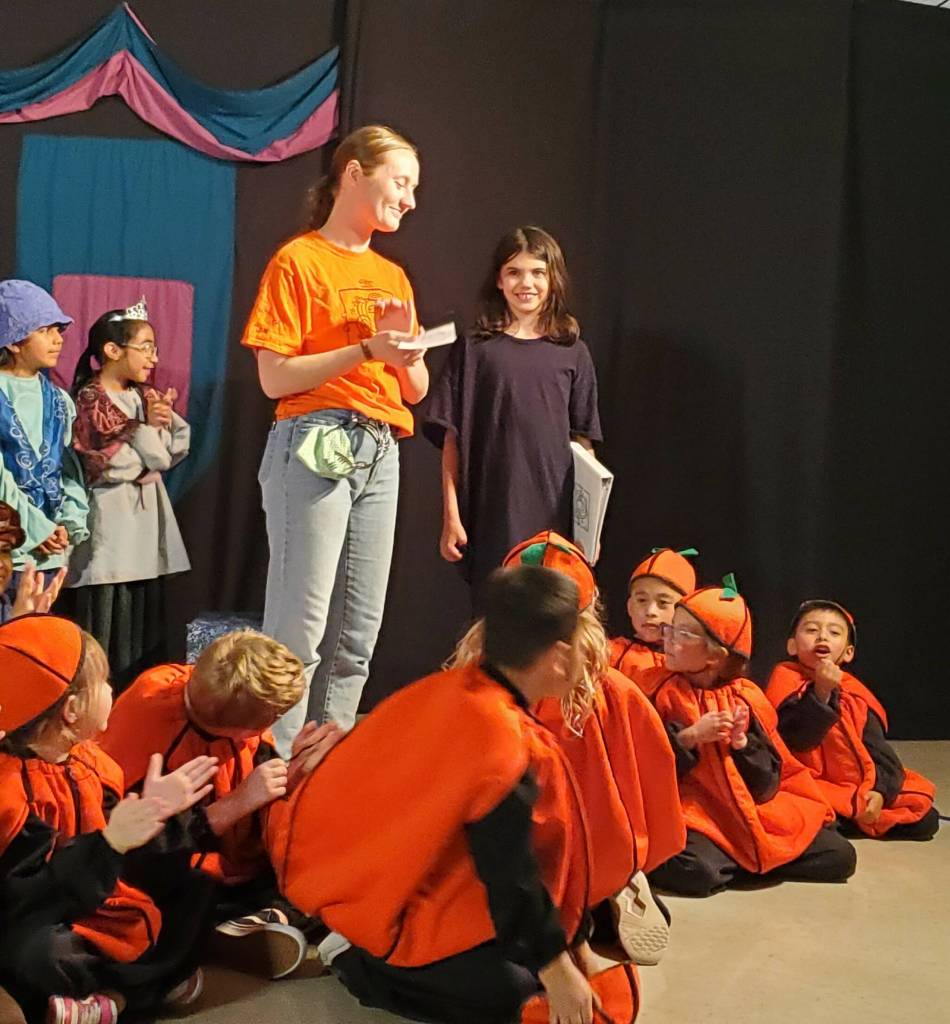
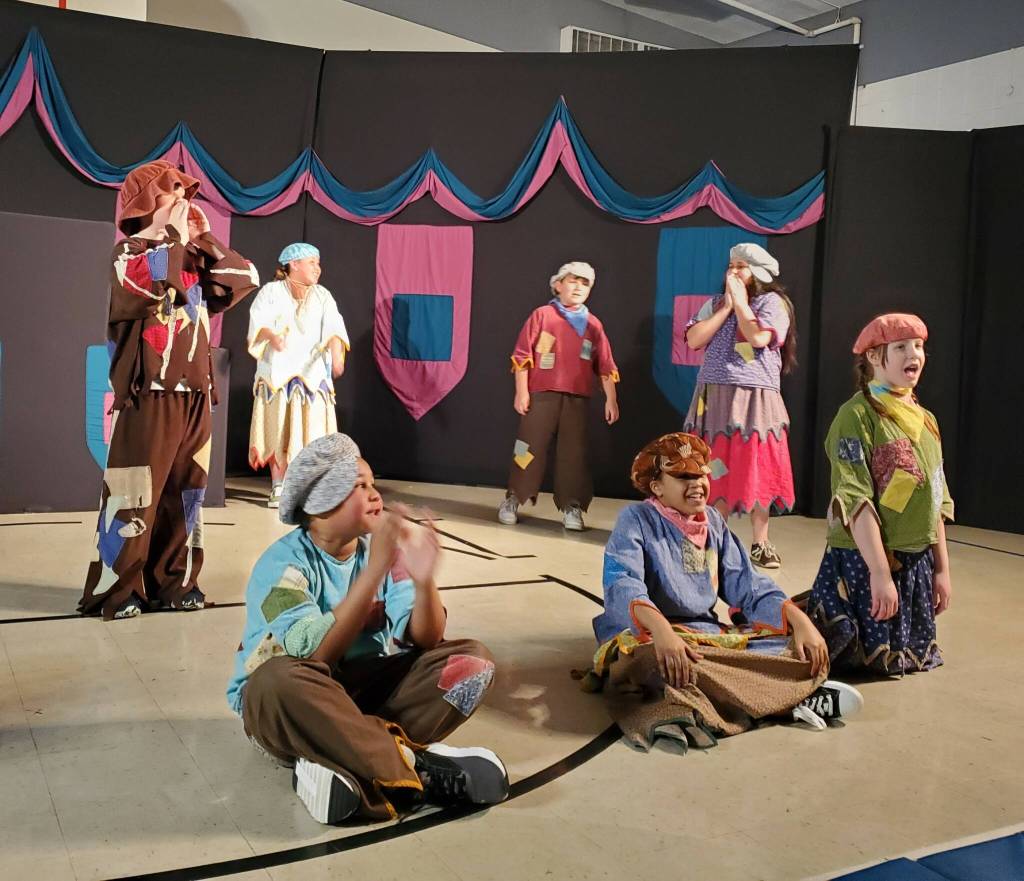
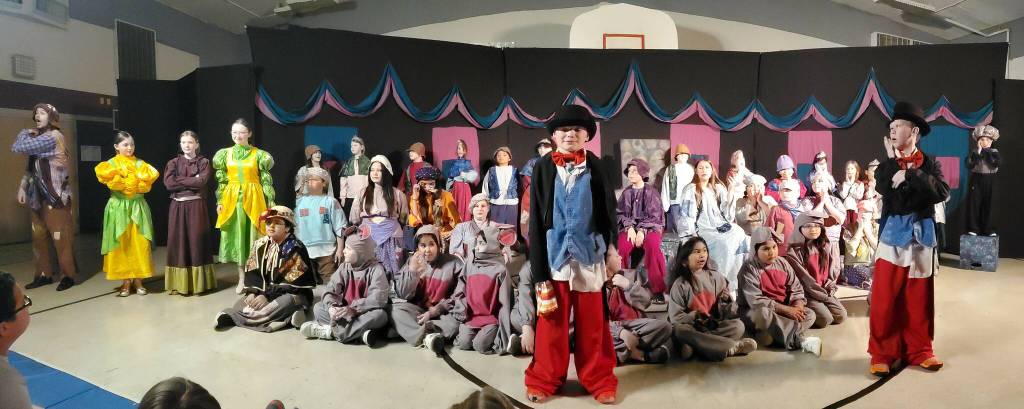
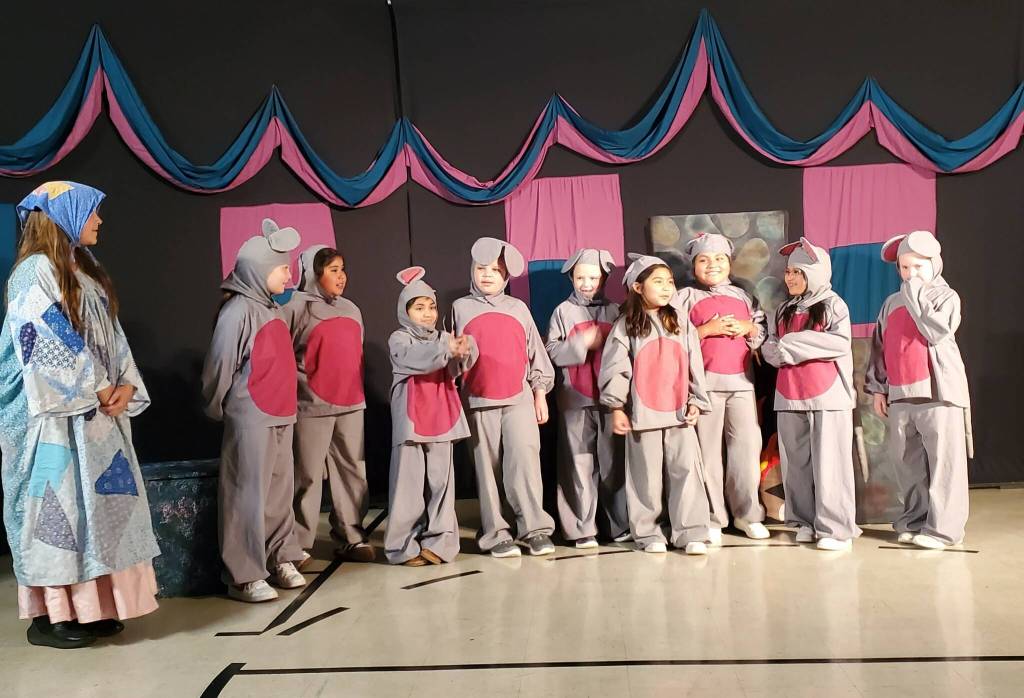
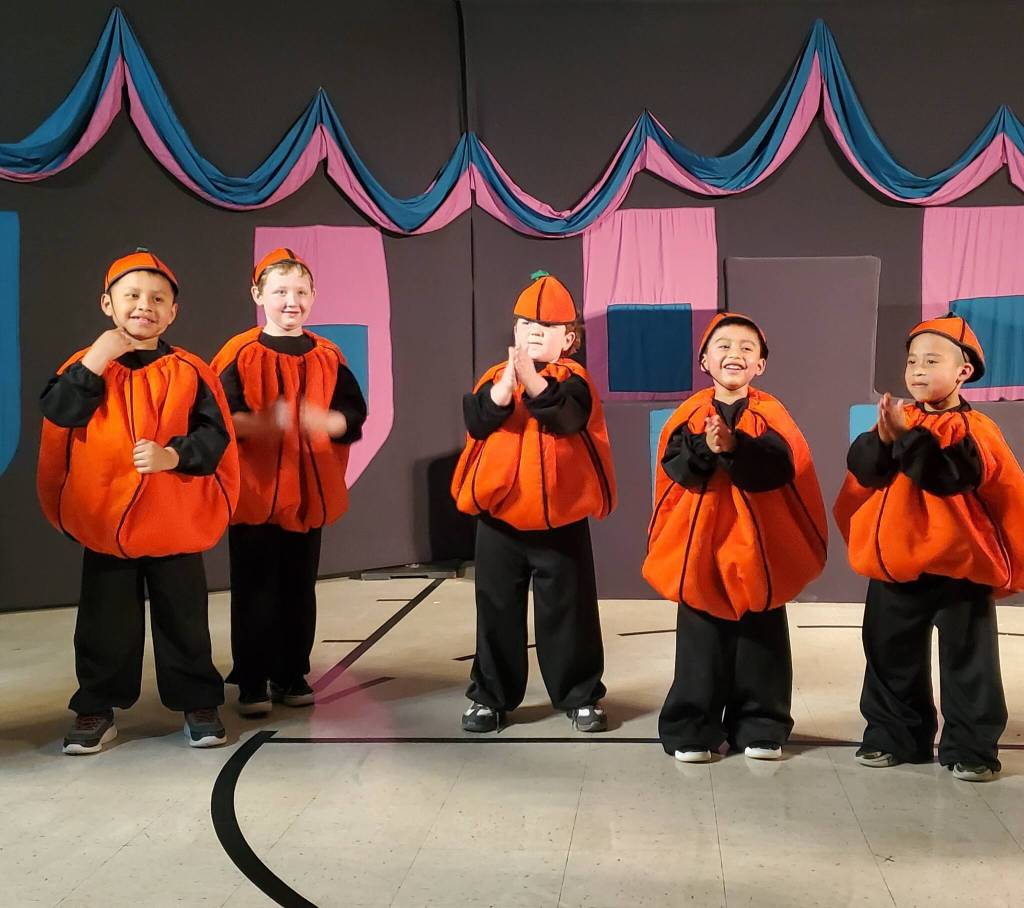
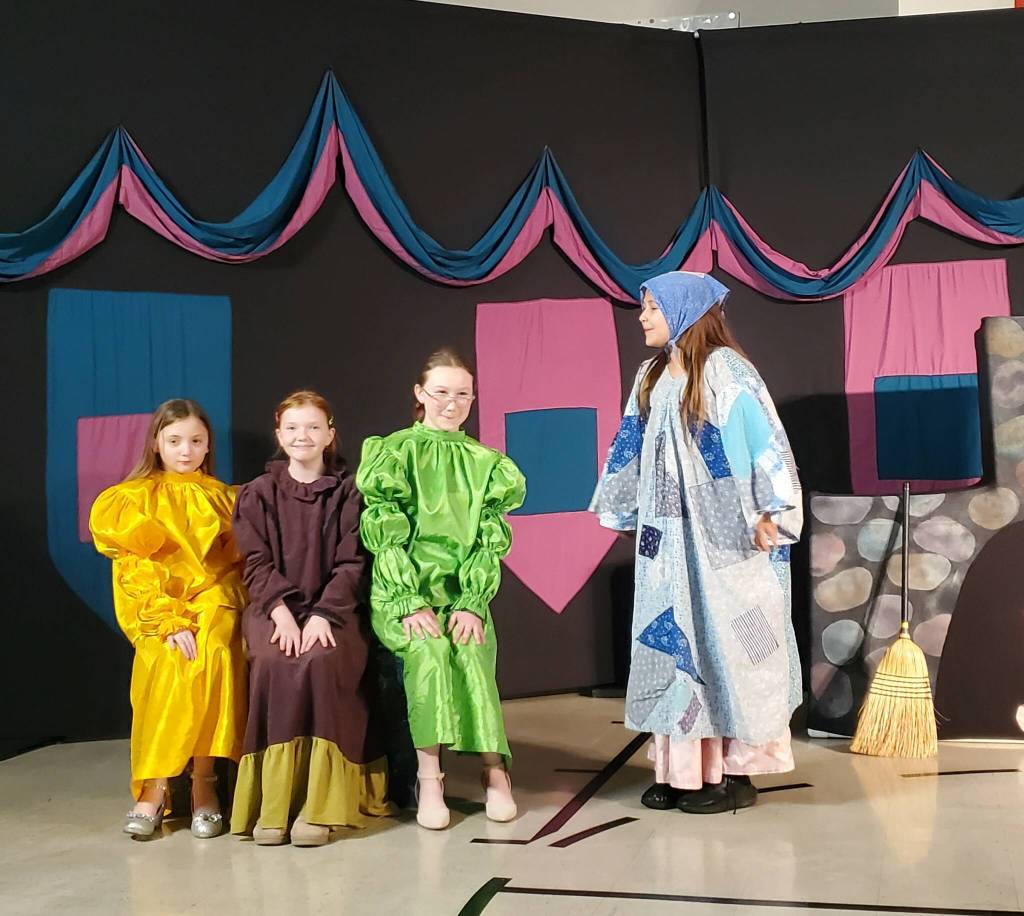





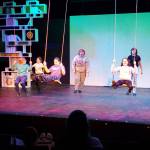
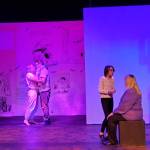
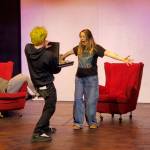
On Friday night, 300 parents, family members and community filled the A.J. West gym to watch the students stage the Missoula Children’s Theatre production of Cinderella.
“Your students have been working hard all week to put on a performance for you,” said Marnie Ranheim, a counselor with A.J. West, to the audience. She thanked the parents for their flexibility with the schedule and the Grays Harbor Foundation for providing financial support .
With a cast of 65, every role was filled, and Emma Ranheim served as assistant director to the Missoula staff of Hunter Miles (Patches) and Lauren Duffin (director).
“We are always so impressed with Missoula,” said Ranheim. “It’s an amazing program that comes to our school.”
Missoula Children’s Theatre has visited A.J. West for over 20 years. “It is an enrichment opportunity they may never get,” Ranheim said, adding that students can learn a love for theater and the arts that also builds self-confidence.
The staff also provided support during the week to help with the program. Sue Van Volkinburg, a former kindergarten teacher, served as the accompanist. The live music, “adds depth to the performance,” said Van Volkinburg. “You can be more responsive to what’s going on.” And as for why volunteer she’s volunteered for many years – “It’s very fun.”
A preview of Matilda
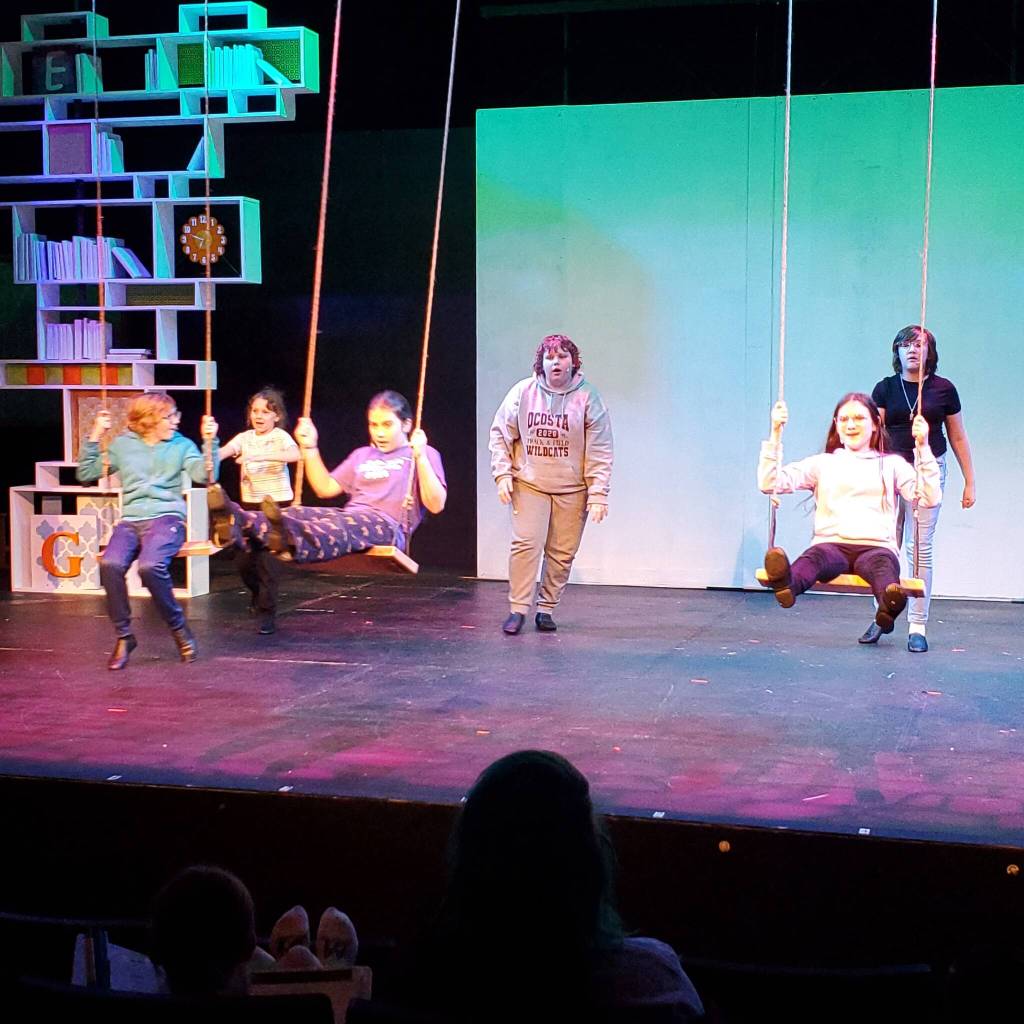
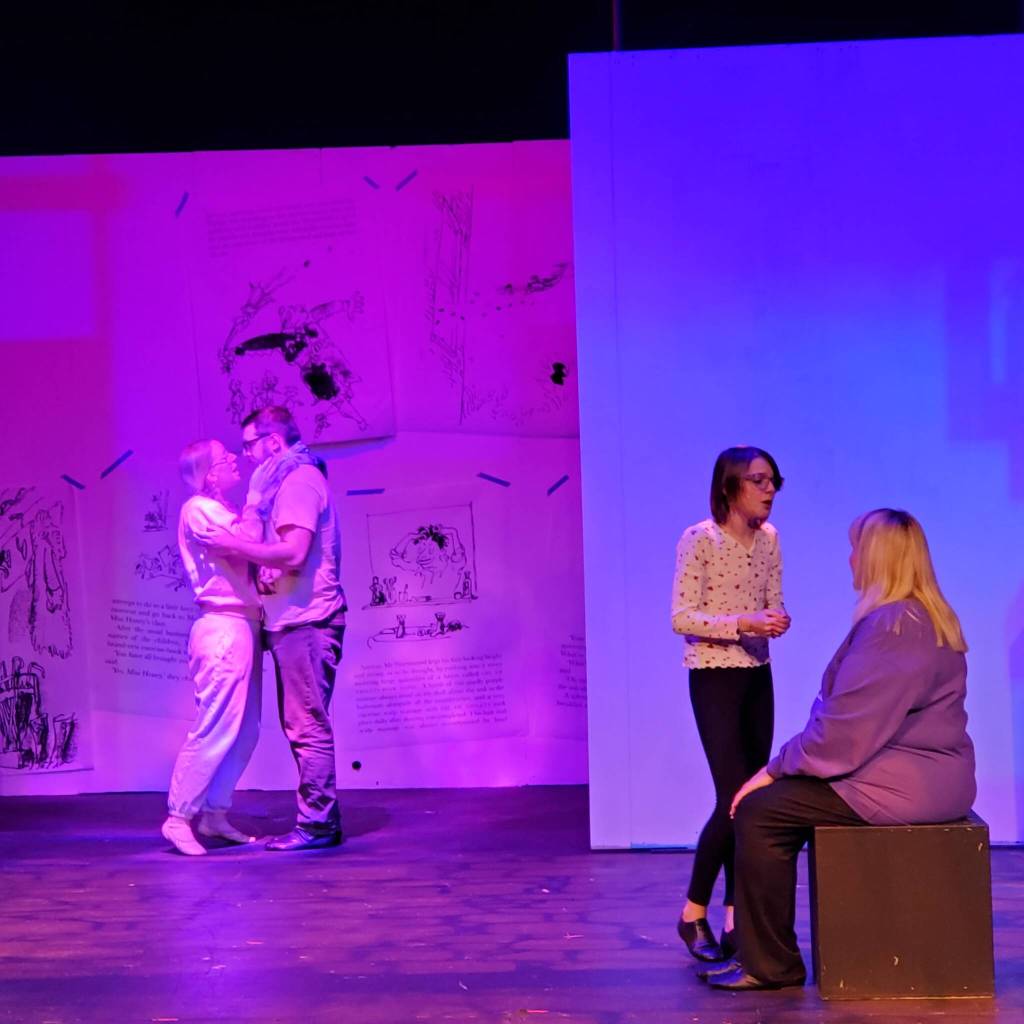
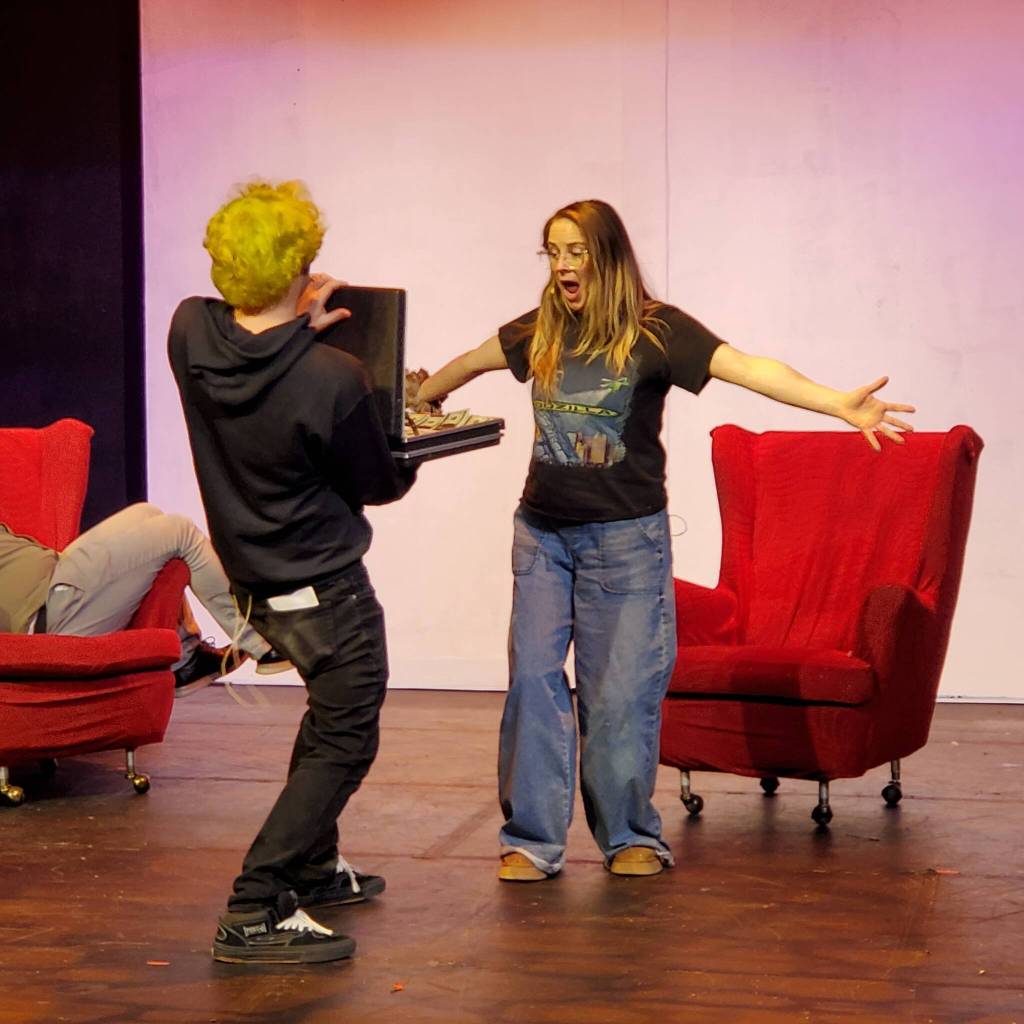
At the Driftwood Theatre, the week of April 20 was tech rehearsals for the cast of Matilda The Musical. The delivery of lines and scene transitions were being refined and touchups still being made to the set in preparation for opening night on May 1. Although 7th Street Kids staged Matilda in 2019, expect a Driftwood Players interpretation of the material.
Julayne Fleury described playing Mrs. Wormwood as a “dream role, ever since I directed the show.” Fleury directed the 7th Street Kids production. “I put everything into it and was obsessed, and still remember things,” she said. “But [Duffy’s] a great director. He’s amazing. It’s going to be great.”
As with Kong’s Night Out, there are a few magical moments incorporated into the staging that will leave you wondering, “How did they do that?” This is what Duffy described as “one of the magical pieces of live theater.”
The Daily World had the opportunity to chat with Duffy and several actors prior to rehersal on April 21, we discussed theater terminology and how to memorize lines.
What follows is our conversation edited for length and clarity.
The Daily World: What was the inspiration for choosing Matilda this for this season?
Duffy: It’s just a great family show. It’s a show that I’ve always loved, and we were looking for something that would just please the whole Grays Harbor community.
TDW: 7th Street Kids staged Matilda in 2019. How is this production different from their production?
Duffy: What determines the difference really is the space that you perform it in. 7th Street Theater has a fly loft, and we certainly utilize that in terms of things flying in and out. [The area above the stage, a fly loft is where curtains, lights and scenery are suspended and lowered.] They have a deeper stage than we have.
This is a particularly difficult show in the way that it’s written. In a typical musical, you do a scene, then there’d be scene change music and then you’d do another scene. The way this show is written, it just flows from one scene right into the other. So you’ll finish the line of one scene, and the next line, without any break at all, is the beginning of the next scene.
We’re also a smaller cast; when we did it at 7th Street, we expanded that cast dramatically.
But what really drives this production is, whereas at 7th Street we could develop each location better, whether it be Matilda’s bedroom or Trunchbull’s office, what we do in this production is we allow the furniture pieces to define the location. So we spend less time creating actual new locations with physical walls, but more of letting the furniture decide whether we’re in the Wormwoods or whether we’re in Trunchbull’s office or the classroom. And that’s what allows this play to move smoothly.
Because one of the things I learned at one of the productions I saw was that they didn’t pay attention to how the play moved forward, and so they would have all these stops in action as they were changing the set, and it disrupted the flow.
TDW: How does tech handle the scene changes?
Duffy: We try to isolate to an area; when we isolate to an area, we’re changing the other area so that then we can flow right into it.
TDW: What about the book Matilda lent itself to be turned into a musical?
Duffy: It’s the story of the strength of what I would call of Matilda herself. Almost everybody who’s read the book goes, ‘This is so much fun.’ It’s the power of Matilda and how she is able to resolve her issues.
TDW: Of Roald Dahl’s catalog, is Matilda of your favorite books?
Duffy: I’m really impressed with his whole breadth of what he’s written, but one of the most interesting things that I’ve read is [Going] Solo, which is his story of serving during World War II. What is remarkable about that book is you learn how close we came to none of this, because he was a pilot and his plane crashed and he came very, very close to dying.
TDW: Do you know if that experience influenced his writing?
Duffy: I’m sure everything that’s happening has influenced him. But he has such a whimsical style to his writing that his characters just come alive.
The people who wrote Matilda The Musical did a wonderful job of taking the characters who were in his book and making them come alive on stage.
TDW: I just noticed the artwork [Quentin Blake’s illustrations of Matilda] framing the stage.
Duffy: It’s a false proscenium that we only use on a rare occasion. 7th Street Theater is a proscenium theater, and Bishop Center is a proscenium theater. Basically, what it means is you’re viewing the show as if you’re looking at a picture on a wall.
This theater is what I would call a modified thrust. Because the audience wraps around, you have to keep in mind that people are seeing it from three different perspectives rather than one.
A true thrust theater would be if we took this section [motions at the stage] and brought it way out here, and so we had audience here, audience here and audience here.
TDW: Does the type of stage affect which plays can be staged or the audience experience?
Duffy: No, because I think you could take any play and put it in any space. What it does impact is how you stage that piece. The basic premise of lighting in a space is it’s all coming in from one side. But if we go into a thrust stage or now we’re having people see it from three or four sides, and that totally changes how something is staged and how it’s lit.
TDW: How aware do you think audiences are of the work involved when staging a production?
Duffy: If we’ve done our job well, they’re not aware of it at all. It’s when we fail at our ability that they can’t hear or see, then they notice. We want it to look like, ‘Oh, I could do that,’ when it’s a whole lot harder than it looks.
Poor Matilda is virtually on stage the entire time in this show and has an enormous responsibility in terms of songs, line load and blocking. And for it to be successful, it needs to feel like it’s easy—where a little girl could go home and say, “Mom, can I do that?”
TDW: Does working with the youth inspire you or give you confidence that theater is going to stay alive?
Duffy: The kids have been fabulous to work with. I love working with the kids, and it is the future. The more youth theater we do, the more secure theater is. And again, it’s not necessarily that they’re going to be on stage, but they become the audience.
TDW: Violet, I recognize you from the Grays Harbor Opera production of Patience.
Violet Colburn [Lavender]: I’ve done lots of operas with the Grays Harbor opera. I did Shrek the Musical at Grays Harbor College. I’ve done Mary Poppins at 7th Street. And this is my first Driftwood show.
TDW: How does performing at Driftwood compare to the other productions you’ve worked at in terms of not necessarily directions per se, but of the size of the space?
Colburn: It’s certainly a lot smaller than I’m used to. Like for the Bishop Center, we have pretty big wings where we can fit big set pieces. This is more of almost a black box theater but bigger than one. [A black box theater features a sparse setup of a square or rectangular space with black floors and wall.]
It’s a little different to get used to because there’s more set pieces with a tighter space and you get more music back at you because it’s just more enclosed than at like the Bishop Center.
TDW: How do you project your voice differently when performing opera compared to this production?
Colburn: With the mics you project a lot in the beginning but then remember that you have mics. I’ve got to back off a little bit because I’m not going to be singing this loud during the actual production because I’m going to have a mic. Whereas at the Bishop Center, we have this really big red curtain and we always have to be in front of that or else our sound is just kind of gone. So we really have to be more mindful of where we are, but then whereas here we don’t really need to, it doesn’t matter where we are, we’re going to be heard.
TDW: How are you enjoying acting with Driftwood Players?
Colburn: It’s pretty fun. It’s a new experience because it’s a different theater, but it’s great to get to know the theater and the set and how things are kind of done here. Because I’m used to Grays Harbor College style, here the sets are smaller and they’re more creative. It’s just really interesting to see how that all ties in.
TDW: Glory, did you read Matilda before auditioning?
Glory Covall [Matilda]: Yes, because the Matilda movie is the thing that encouraged me to read so much, and I wanted to be like her and how smart she is. And learning that Driftwood was doing the show made me want to do it so badly. Because it’s like the best movie ever.
TDW: Natalie, why did you audition for Matilda?
Natalia Burgher [Matilda]: I’ve been in a lot of plays before, and Matilda has always been my dream role since I was little and since my older sister was in the play at 7th Street.
TDW: How do you learn to memorize the dance routines, the dialogue and the songs?
Covall: Every single day I do stuff with my dad to go over it, and it helps you memorize it. For dances, once we’ve done it more than once at practice, it’s stuck in my mind. For the songs, my dad had me write down my lines in the songs that I do on my own so I would memorize and it actually helps a lot; that’s how I learned the narcolepsy song, writing all the lyrics down.
TDW: How is your time on stage divided up?
Burgher: We do separate performances every other night. Today she’s doing act two all by herself, and I did act one yesterday all by myself. And then tomorrow I’m doing act one and she’s doing act two on Friday.
TDW: Do you have to make sure your mannerisms are the same when you’re performing?
Burgher: We get to be our own depiction of Matilda, how we want her to be.
Covall: Yeah, it’s like you’re the character and adding a little style of your own instead of copying what all the other Matildas. Because you give your own spark to the character, and then it just put it all together and then it just makes you great.
Burgher: We use what we think Matilda would do and sometimes it’s not the same
TDW: What do you enjoy about being an actor?
Covall: You get all the friends, literally all the friends.
Burgher: I feel like doing theater is a way to make connections with people who enjoy the same hobbies.
Covall: Yes, especially if you’re older and some of us are older and you both like the same stuff. It’s like the perfect combo. You get to meet new people and learn about things you didn’t know,
Burgher: I like doing theater once a year because theater just has a special spot in me. And every time I do theater, it comes out and really shines.
Matilda The Musical is scheduled to run at Driftwood Theatre from May 1-2, 8-9, 15-16, 22-23 at 7:30 p.m. and May 3, 10, 17, 24 at 2 p.m.
https://main.aberdeendriftwood.com/