WDFW approves seven days of coastal razor clam digs
Published 1:30 am Friday, February 27, 2026
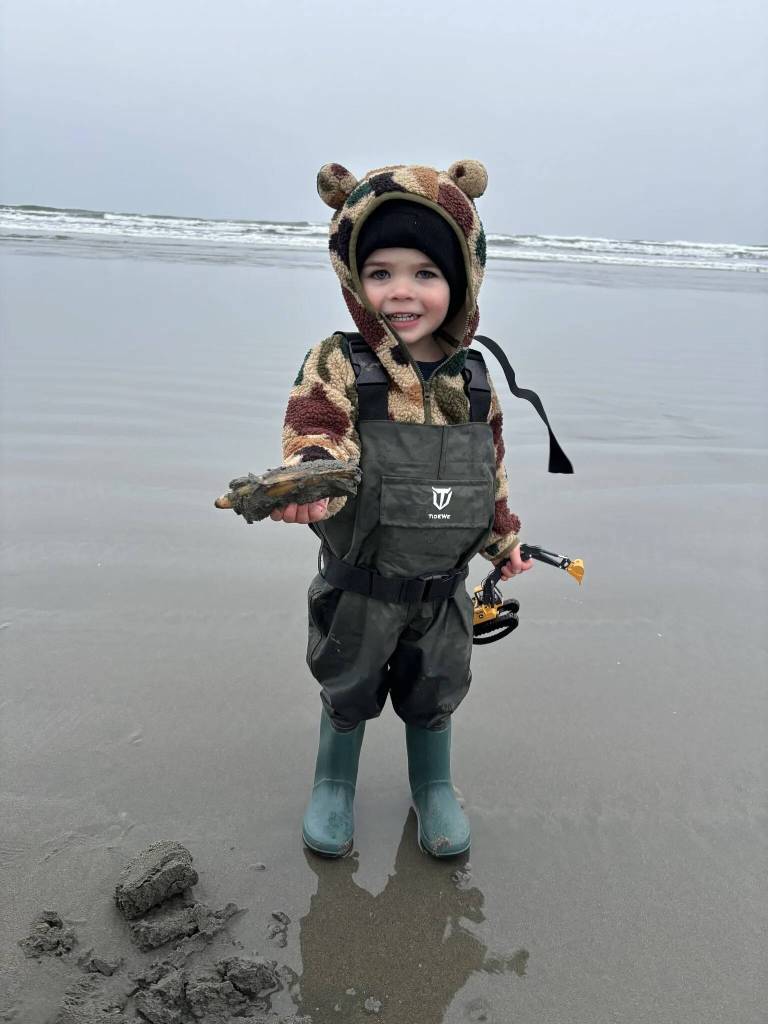
Washington Department of Fish and Wildlife (WDFW) shellfish managers confirmed razor clam digging opportunities at Long Beach, Twin Harbors, Copalis, and Mocrocks beaches through March 4.
“Hopefully this next tide series of late February and early March dates will have less winter weather and feel more like spring digging,” said Bryce Blumenthal, a WDFW coastal shellfish biologist. “These upcoming harvest days will provide ample daylight digging opportunity with low tides occurring before or near sunset.”
Copalis and Mocrocks beaches are not open every day during each series of digs, so be sure to check which beach is open before heading out.
The Washington State Department of Health (DOH) requires test samples for marine toxins, and domoic acid levels must fall under the guideline level before a beach can open for digging. Domoic acid, a natural toxin produced by certain types of marine algae, can be harmful or fatal if consumed in sufficient quantities. Final approval usually occurs about a week or less — sometimes two to three days — before the start of each digging series. More information about domoic acid, as well as current levels at ocean beaches, is available on the WDFW’s domoic acid webpage.
Recent marine biotoxin closures do not apply to razor clams or crabs. Certain shellfish species accumulate toxins more quickly, to higher levels, and can harbor them longer than other species. Refer to DOH’s shellfish safety map for details on which species are safe to harvest.
The following digs during late afternoon/evening (noon to midnight only) low tides will proceed as scheduled:Feb. 28, Saturday, 4:22 p.m.; -0.3 feet; Long Beach, Twin Harbors, Mocrocks
March 1, Sunday, 5:07 p.m.; -0.5 feet; Long Beach, Twin Harbors, Copalis
March 2, Monday, 5:46 p.m.; -0.4 feet; Long Beach, Twin Harbors, Copalis
March 3, Tuesday, 6:22 p.m.; -0.2 feet; Long Beach, Twin Harbors, Mocrocks
March 4, Wednesday, 6:55 p.m.; 0.3 feet; Long Beach, Twin Harbors, Mocrocks
Below are additional tentative dates; beginning March 20 digging will switch to morning (midnight to noon only) low tides:March 17, Tuesday, 6:21 p.m.; 0.2 feet; Long Beach, Twin Harbors, Copalis
March 18, Wednesday, 6:54 p.m.; 0.3 feet; Long Beach, Twin Harbors, Copalis
March 19, Thursday, 7:28 p.m.; 0.5 feet; Long Beach, Twin Harbors, Mocrocks
March 20, Friday, 8:00 a.m.; -0.1 feet; Long Beach, Twin Harbors, Mocrocks (Ocean Shores Razor Clam Festival)
March 21, Saturday, 8:43 a.m.; -0.5 feet; Long Beach, Twin Harbors, Copalis (Ocean Shores Razor Clam Festival)
March 22, Sunday, 9:29 a.m.; -0.6 feet; Long Beach, Twin Harbors, Copalis (Ocean Shores Razor Clam Festival)
March 23, Monday, 10:22 a.m.; -0.5 feet; Long Beach, Twin Harbors, Mocrocks
March 24, Tuesday, 11:21 a.m.; -0.1 feet; Long Beach, Twin Harbors, Mocrocks
April 1, Wednesday, 6:45 a.m.; 0.5 feet; Long Beach, Twin Harbors, Mocrocks
April 2, Thursday, 7:22 a.m.; 0.1 feet; Long Beach, Twin Harbors, Mocrocks
April 3, Friday, 7:57 a.m.; -0.2 feet; Long Beach, Twin Harbors, Copalis
April 4, Saturday, 8:32 a.m.; -0.2 feet; Long Beach, Twin Harbors, Copalis
April 5, Sunday, 9:08 a.m.; -0.1 feet; Long Beach, Twin Harbors, Mocrocks
April 6, Monday, 9:46 a.m.; 0.2 feet; Long Beach, Twin Harbors, Mocrocks
April 7, Tuesday, 10:30 a.m.; 0.5 feet; Long Beach, Twin Harbors, Copalis
Most successful digging occurs between one and two hours before the listed time of low tide.
On all open beaches — Long Beach, Twin Harbors, Copalis, and Mocrocks — the daily limit is 15 clams per person. Each digger’s clams must be kept in a separate container, and all diggers must keep the first 15 clams they dig, regardless of size or condition.
Diggers must have a valid 2025-2026 license. Licenses can be purchased from WDFW’s licensing website and from hundreds of license vendors around the state. All diggers age 16 or older must have a license to harvest razor clams on any beach. WDFW recommends diggers buy their license before visiting coastal beach communities.
Kalaloch Beach off the northern Olympic Peninsula coast won’t be open due to continuing issues with depressed populations of harvestable clams.