As climate changes, the PNW could experience stronger and more frequent atmospheric rivers
Published 1:30 am Monday, January 5, 2026
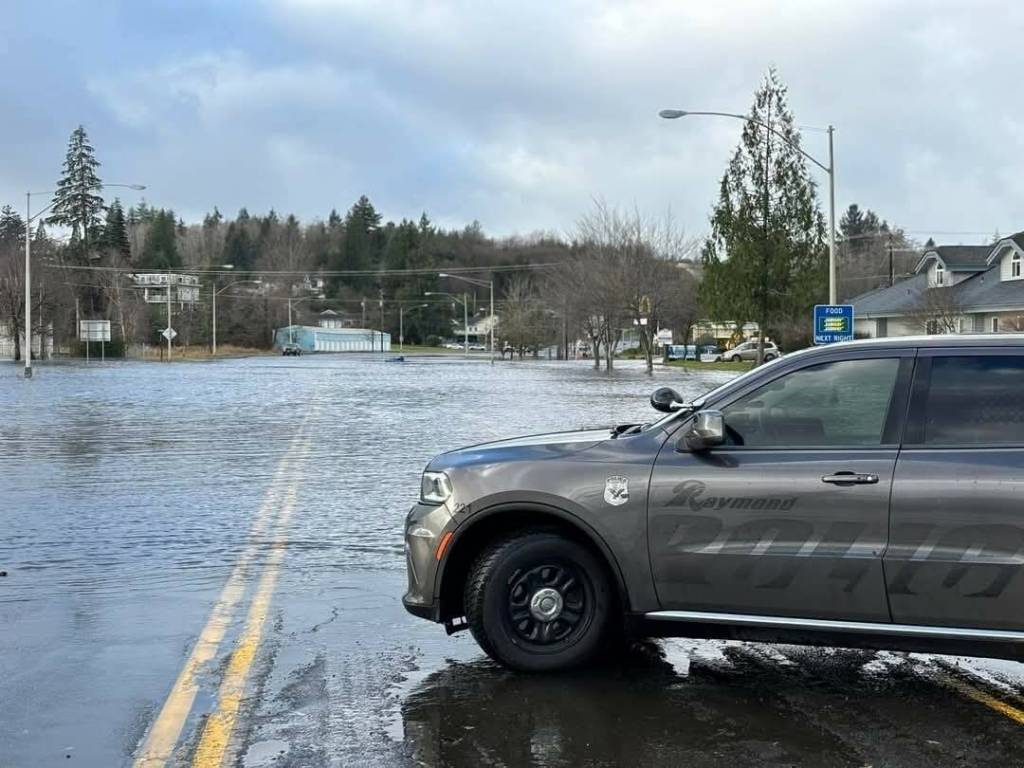
Parts of Oregon and Washington just a few weeks ago experienced back-to-back atmospheric river events in less than a week.
Oregon’s state climatologist says a changing climate will make these types of storms stronger and more frequent.
An atmospheric river, like its name suggests, is essentially a jet stream or “river” of warm moisture in the sky bringing in widespread rain, and sometimes snow, said Larry O’Neill, state climatologist of Oregon.
“Atmospheric rivers are these, sort of the ‘juiciest storms,’” he said. “They’re responsible for about 30% to 50% of our annual precipitation total.”
The continued burning of fossil fuels is worsening human-caused climate change, and that means we may see more frequent and more powerful storms like these, O’Neill said. We’re getting a glimpse of what we can expect in the years ahead, he said.
Current climate models follow that trend in the Pacific Northwest.
As the climate changes, atmospheric rivers hold more moisture, O’Neill said, and that means more rainfall. That can lead to major flooding in areas not prepared for intense storms.
“Our strongest rain events during the wintertime are expected to get even stronger and more impactful. So we are expecting more,” he said.
Although they might look like ordinary storms, O’Neill, who is also an associate professor at Oregon State University, said atmospheric rivers cause about 80% of the state’s flooding events.
On average, the Pacific Northwest experiences about 10 to 15 atmospheric rivers annually, O’Neill said.
In the past, parts of Oregon and Washington have been drenched with rain due to atmospheric rivers. In January 2012, the Salem region received more than six inches of rain in a span of three days.
The region tends to see more of them during the current La Niña weather pattern, which brings in cooler and wetter conditions in the region.
At least one person drowned on Dec. 9 after driving on a flooded road in Snohomish. Many areas were under flood warnings, and about 60,000 residents in Western Washington went without power due to downed lines caused by the storm’s strong winds.
In Oregon, drought and low water reservoirs are helping the region absorb the precipitation, O’Neill said, but areas that do not have flood control may see impacts.
“This atmospheric river is going to kind of really improve with reservoir storage and then the groundwater and soil moisture levels. So that’s the blessing,” he said. “And then the curse is the flood potential.”