The family behind the 1971 Satsop Rock Festival and Tin Cup Races
Published 1:30 am Wednesday, October 15, 2025
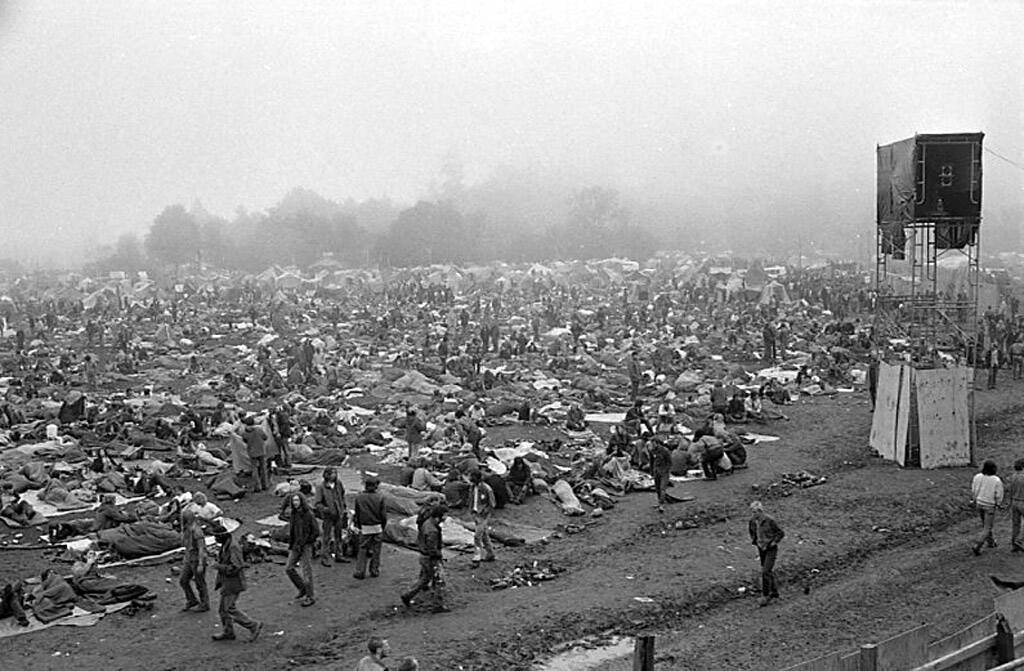
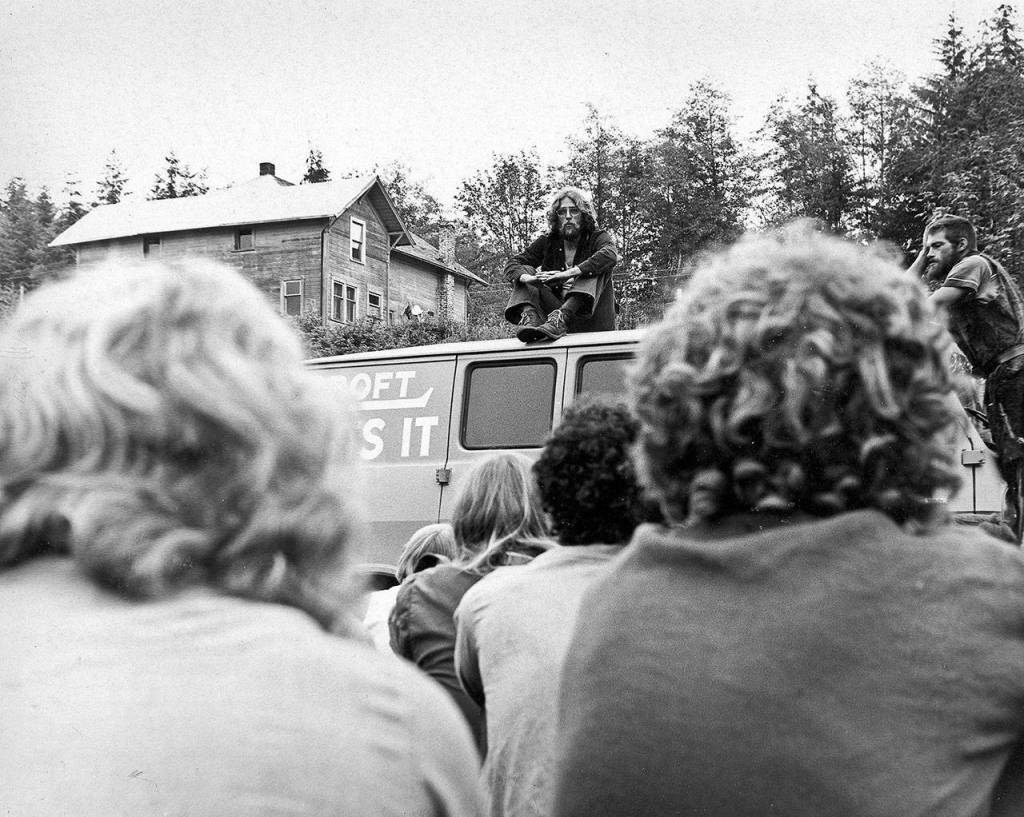

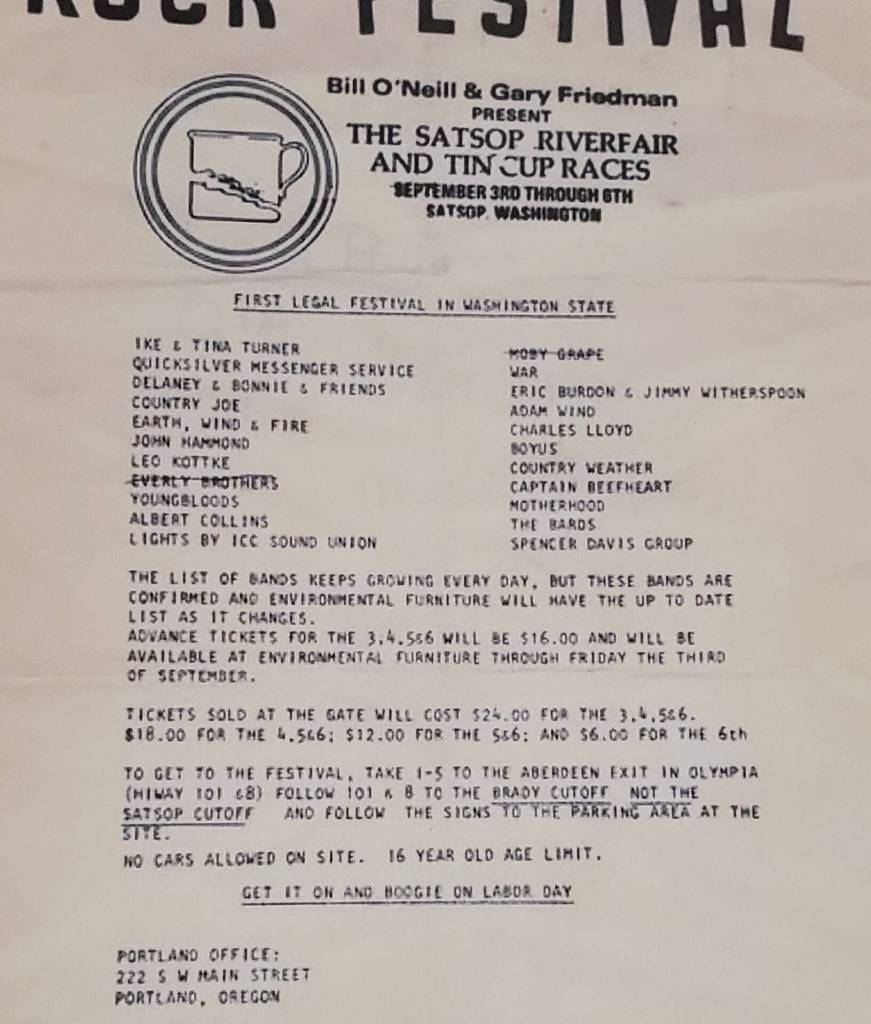


“On the first of July, we met with a big-wig attorney in Seattle to get a second opinion on the contract. With our attorney’s basic approval of the contract, all four couples who owned Reality Farm signed off.” — page 92 from the book Reality Farm The Untold Story of Reality Farm and the 1971 Satsop Rock Festival.
The signing of that contract by these couples set in motion the first outdoor music festival in Washington state that would be held in Satsop. During the four-day festival that began on Sept. 3, attendees heard musical acts that included the Youngbloods, John Hammond Jr., Steve Miller and Charles Lloyd.
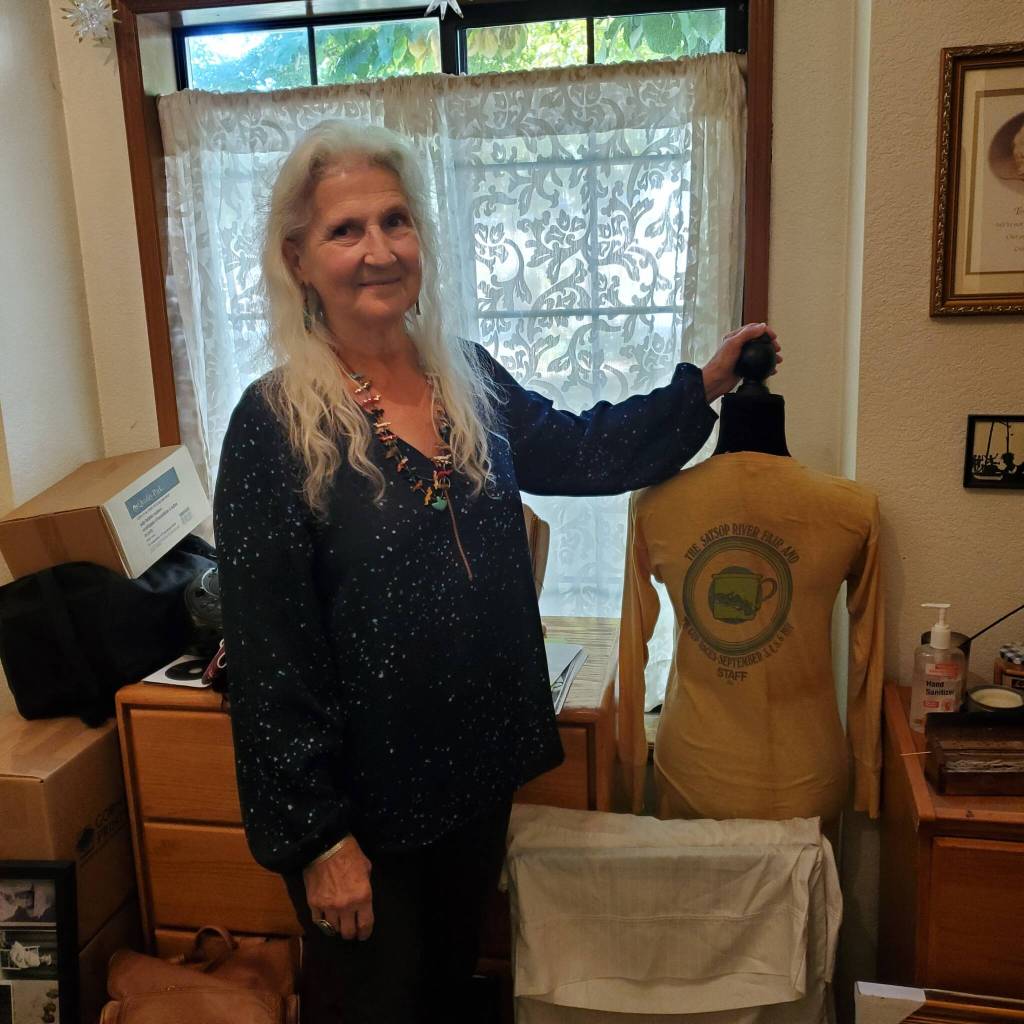
At only 15 years old, Leann Paul, and her then-husband, Max, who was 15 years her senior, was one of those couples who owned Reality Farm. Earlier this year, she published Reality Farm The Untold Story of Reality Farm and the 1971 Satsop Rock Festival, an unflinching memoir that centers the Satsop Rock Festival within the larger story of her family and the intergenerational trauma that the festival worsened.
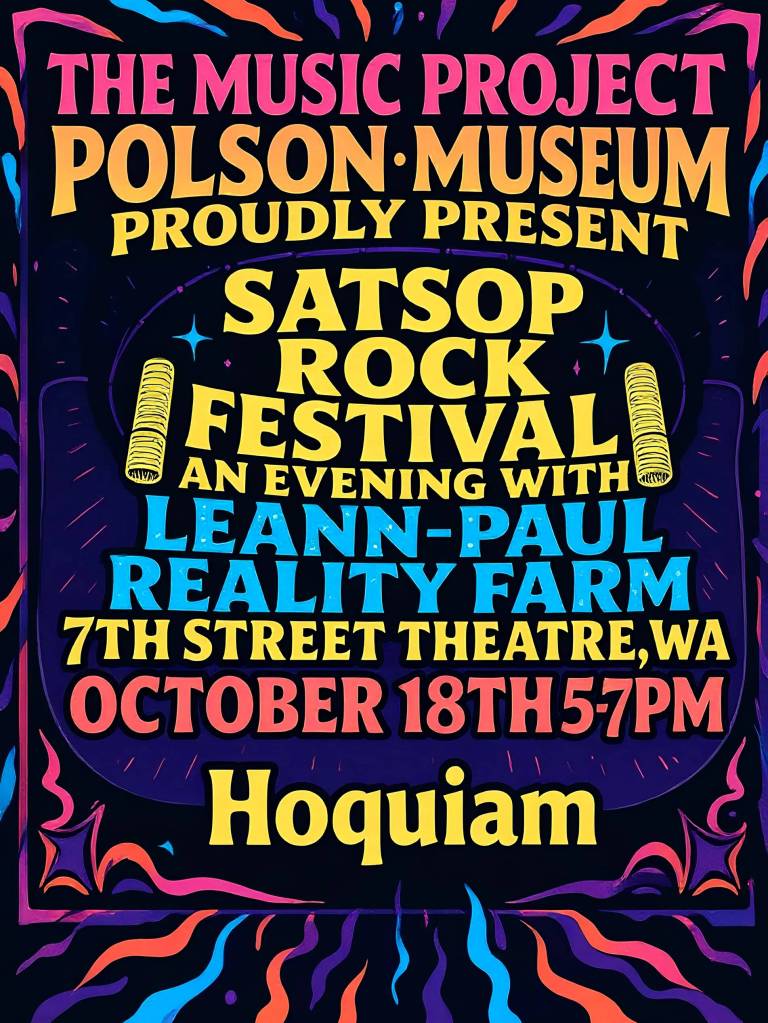
On Saturday, Oct. 18, at 7th Street Theatre, The Music Project and Polson Museum are hosting an evening on the 1971 Satsop Rock Festival and Tin Cup Races. The event will feature a never-before-seen documentary, rare photographs and a panel discussion with Paul, John Hughes, retired director of Washington state’s Legacy Project and former publisher of The Daily World, and Todd Miller, Washington state rock festival expert.
What follows is a conversation with Paul to learn more about the writing of her memoir that has been edited for length and clarity.
Question: What prompted you to write your story now, considering you were given the box of materials that your dad saved from the festival more than 15 years ago?
Paul: I came down with breast cancer four years ago in the middle of a pandemic, and I had already put 11 years into research and pulling it all out of my person painfully. My husband (Bill) bought me a wireless printer, and I sat up on the couch and wrote for three years.
Before I got the box, if the subject came up about the festival, I would say it was kind of cool, but it wasn’t that good for me and my family. My husband had no idea about any of it and I thought that I was comfortable in that. I thought that I was healed in that until I got the box.
Question: How did you approach doing the research for this book?
Paul: There were people who were friends of the family who played major parts in the festival and I contacted a few of them, and it just went like wildfire. I couldn’t believe all of the people who were contacting me to share their story or to learn more about it or to know they had something to be shared.
I thought it was something that everybody had forgotten. I certainly tried to.
Todd Miller, who I thank at the end of the book, is a rock festival expert, and he was one of the first people to contact me when he learned through other people that I was asking questions. He contacted me and wanted to sit down and have a conversation. And I agreed to it.
At first it was very frightening because the promoter (Gary Friedman) was still alive at the time. A lot of the promoter’s history is not in the book because he was a rather savage person and people ended up dead around him. And that was a lot of the reason I was so fearful because if I poked the bear too much, he would retaliate.
“In the days before the Satsop Festival opened, 2,500 people, volunteers and paid folks camped at the site. In just a few weeks, they had constructed a 50-by-60 foot stage complete with a massive light show backdrop, and speakers two feet taller than Woodstock’s. They had installed a well that provided 300 gallons of fresh water per minute, and had laid 3 miles of 4-inch pipe that delivered the water to over 200 spigots. There were 370 trees logged and fashioned into light poles to carry generator-powered electricity through 15 miles of wiring. Roads were laid, bridges built, a daycare center completed with swings, and special access and landing pads created for the National Guard, the medics, and the entertainers.” — page 113
Question: How many boxes of research material have you since accumulated?
Paul: I have a room full in there and that will all end up at The Music Project in Aberdeen so that people can appreciate it. All of the information that I am using is either my own personal property or people have given permission, like Darrell Westmoreland. John Caldbick is a big contributor. Grant Haller was a reporter for the Seattle Post-Intelligencer, and he was very close with several of the people who put on the festival. He donated 220-some boxes to the University of Washington. Through the years, as I was doing the research, he and I chatted quite a few times and I have access to probably 150 photographs.
Everything that I did was either recorded or through text so that I have it for documentation. Everything that I wrote in the book, I took right off of people’s words or out of the newspaper; it’s all documented.
The history belongs to the Grays Harbor area because that’s their story. Aside from my personal story, that’s something that is very valuable for a lot of people around that area.
It was slated to be a family-friendly camping and music festival event. And because it was legally permitted, everyone who participated in it expected there to be amenities, guardrails around it, legally and sanitation. Everyone expected it to be comparable to a state fair, so when it unfolded and was not that at all, people were caught off guard.
Many of the businesses in the area had invested thousands of dollars in the festival and they lost thousands of dollars. My story wasn’t just my loss. Everyone walked away not knowing what happened, and no one ever gave them an avenue for recourse.
Question: What was the inspiration for the reference to Tin Cup Races in the festival name?
Paul: They were supposed to put the cups up at Schaefer State Park and float them down the river to the festival area, and whoever won was supposed to get some prize or something. And of course, none of that happened.
Question: How did you find your editor, Keith Eisner?
Paul: Keith Eisner teaches writing in Olympia, and two of my most dedicated readers had taken classes from him. When it got to the point where we all felt that it was ready to go to an editor, they referred two people, one who was Keith. I called Keith, and he said, he doesn’t edit but agreed to read the first chapter. I met him downtown (Olympia) after he read the chapter and he said, ‘I’ll do it.’
Keith was the perfect person because he could hear what I was trying to say, even though I was stumbling at times. It was really painful for me and extremely nerve-wracking to be that forthright about what happened, and he kept saying, ‘Leann, if you can’t say it, then why write the book?’
“By the week’s end, workers and the equipment had all but disappeared, leaving only a remnant to salvage for sale and very few hands to restore our home. The festival marked the end of our salvage and demolition business. With no jobs or income, the first priority for everyone living on the Farm was to figure out how we were going to make the next mortgage payment and keep from losing our company truck.” — page 151
Question: In the book you mentioned visiting the property where Reality Farm used to be located. What was that experience like?
Paul: It was unexpected because there was nothing there that looked like it did before. It seemed like it was all gone until I started talking with Stormy [Glick, the current owner] and we started sharing stories about the different things of the property. He told me that he had plowed it over and two feet down was all of the garbage from the festival. The area where the dump was had been totally recontoured
It didn’t even feel like the same place. The river had changed its course and all the old outbuildings and buildings were all gone.
Question: How did the documentary that will be shown at the 7th Street Theatre come about?
Paul: David Ray was a state health inspector Gary Friedman hired and who had been a friend of our family since I was a little bitty girl and helped me with a lot of the research. David was friends with the gentleman, another health inspector, who filmed the 20-minute-long documentary. This was a big historical thing, and everybody wanted to do their very best. Everybody thought that they would be set for life with the money they were going to make off of this festival.
He thought that he’d be able to sell the documentary. It was actually pretty good but it focuses on a lot of the things that went wrong, like the garbage, but it’s also very cute. Lee Bacon is editing it and is adding some of the still photographs and manipulating some of it with AI so that some of the stills actually come alive. It’s really cool what he’s done.
“Time had moved on for all of us,” Paul said. “As I wrote this memoir, it did my heart good to discover that many of the wonderful people I met through the Satsop Rock Festival remained wonderful people who went on to have fulfilling lives; except, of course, Gary Friedman.”