County Public Health holds 3rd annual symposium
Published 1:30 am Wednesday, October 15, 2025
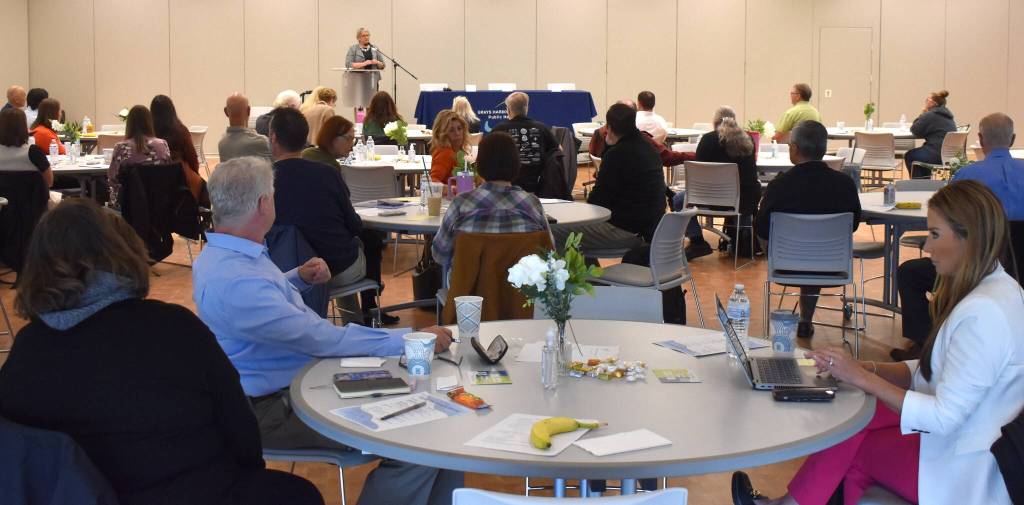
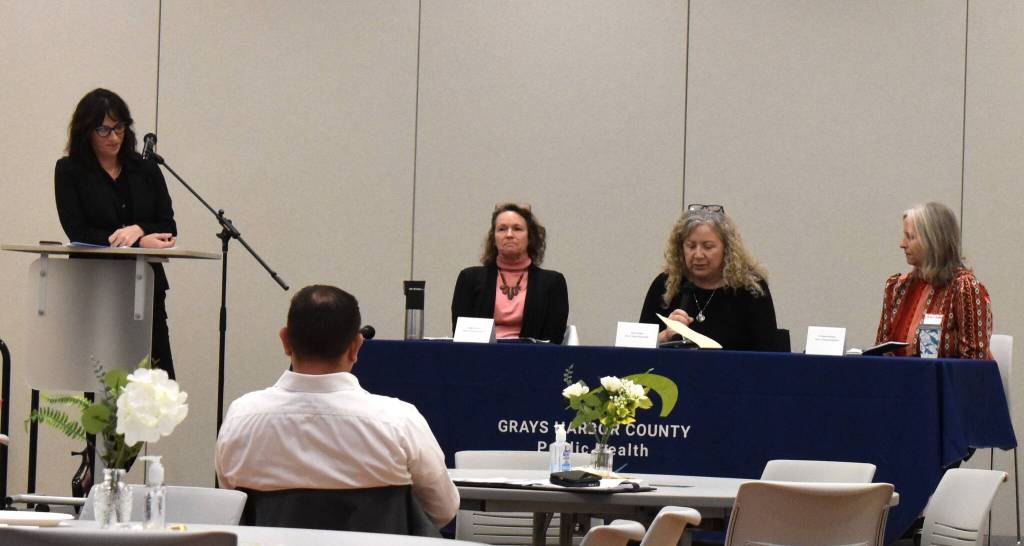



Grays Harbor County Public Health hosted its 3rd Annual Health Symposium at Grays Harbor College last Friday.
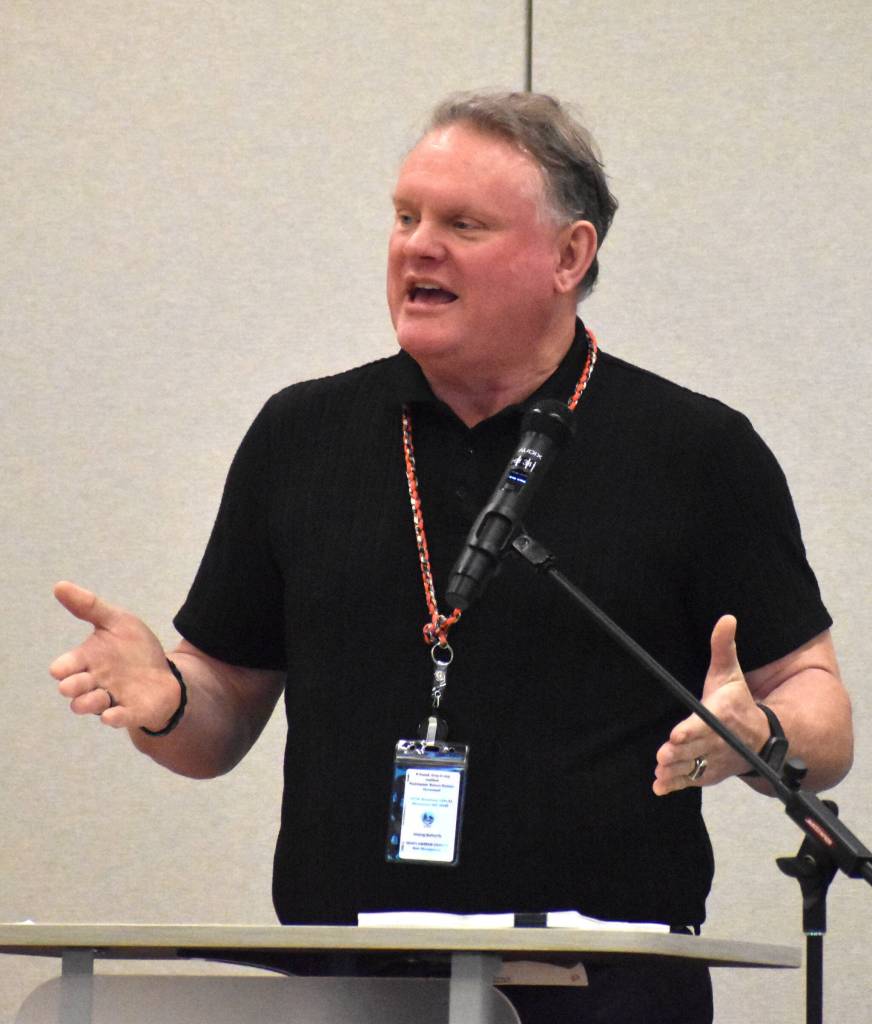
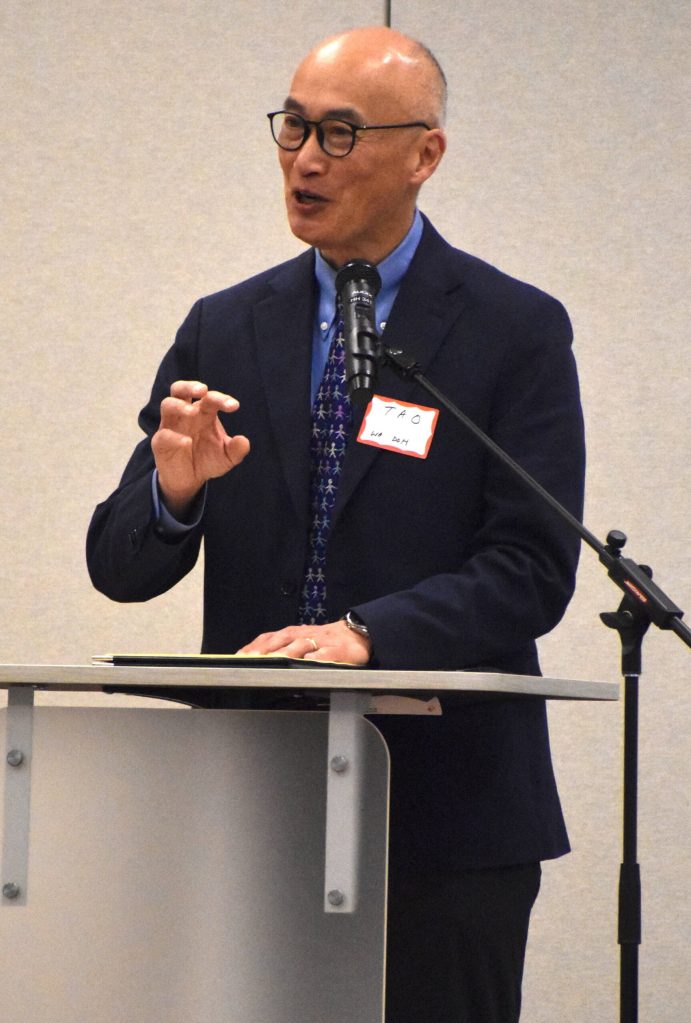
Dr. Tao Sheng Kwan-Gett, the state health officer, gave the keynote address. The event featured panel discussions on mental health and substance use disorders (SUD), chronic disease, and a spotlight on developmental disability success stories. The highlight of the day was the unveiling of the draft of the new county health assessment.
Public Health partnered with Harbor Regional Health, the Quinault Wellness Center and Summit Pacific Medical Center, and contracted with Rural Health Innovations (RHI), to conduct a comprehensive county-wide health assessment and create a Community Health Improvement Plan.
All three Grays Harbor County Commissioners — Georgia Miller, Rick Hole and Vickie Raines — mayors Douglas Orr (Aberdeen) and Chris Miller (McCleary), Grays Harbor Community Hospital Commissioner Lynn Csernotta, Harbors Home Health & Hospice CEO David Quigg, U.S. Rep. Emily Randall’s Field Representative April Messenger, representatives from Timberland Regional Library including regional manager for west Grays Harbor branches Evi Buell, Aberdeen Police Department public information officer Commander Steve Timmons, and several members of the healthcare community were in attendance.
After Grays Harbor College President Dr. Carli Schiffner, Raines and Public Health Director Mike McNickle welcomed everyone and made their opening remarks. Dr. Tao Sheng Kwan-Gett gave a measured speech filled with history and hope for the future.
“It’s an honor to be with you. This event has super-spreader potential, in a good way,” Kwan-Gett said. “This is not a common thing in our state, I’m only aware of a couple of other counties who do this, and they too are smaller and more rural jurisdictions. Symposiums like this should be something every community does. The relationships amongst individuals who work with the healthcare communities leads to trust, and trust leads to connection, and connection leads to collaboration which can then lead to action and improved health. … Connection is a source of strength for the community itself, when a community is more connected they are healthier and more resilient. …
“You can use this trust to remind our communities that no matter our political differences, we all share common values and common goals. … By building trust and creating social connections we can address the chronic diseases that cause the most death and suffering in our communities.”
Dr. Shawn Andrews of Summit Pacific Medical Center, Coleen Chapin of the Quinault Wellness Center and Angela Crowley of Behavioral Health Resources Rehab participated in a panel discussion moderated by Public Health’s April Bachtell on the topics of mental health and substance use disorders.
Public Health’s Jeff Nelson and Lena Stoddard and primary care provider Dr. Natalie Wilhelm (who appeared via Zoom), took part in a panel discussion on chronic disease and conditions such as diabetes and hypertension.
During a working lunch, provided by Montesano High School’s culinary program, representatives from Rural Health Innovations (RHI) presented the draft of the Grays Harbor County Public Health Assessment, which will lead to a Community Health Improvement plan.
Launched in July, the data collection and information gathering phase consisted of an electronic community survey in English and Spanish, 15 key informant interviews and four-in person focus groups (including one in Spanish). The assessment also incorporated secondary data from national sources. Tracy Morton from RHI led the deep dive into the draft of the assessment.
At the top, identified health priorities include increasing access to health care, developing a collaborative and comprehensive marketing plan for existing health care services, and developing a countywide care coordination plan.
The electronic survey consisted of 32 questions; 344 people responded and responses from 24 were excluded due to incomplete or invalid answers.
The top three survey responses for “What are the THREE most pressing health concerns in our community?” were access to mental health services 49%, access to primary care 30% and access to alcohol/drug use services 28%. Survey respondents indicated that access to health care and other services (59%), affordable housing (49%), and good jobs and a healthy economy (44%) are most important for a healthy community.
Focus group participants reported access to mental health services as the greatest health need and key informant interview participants identified mental health and SUD as the second greatest health need (after access to affordable health care and preventative services with affordable health insurance).
Respondents believe the biggest gaps in healthcare are availability of services/providers (69%), mental health services (44%) and primary care (25%).
When it comes to chronic disease and conditions, the assessment indicated that adult obesity, cardiovascular disease, and chronic obstructive pulmonary disease (COPD) rates are higher in Grays Harbor, Clallam and Mason counties than the rest of the state.
Health for children and young people was also a focus of the survey. The top three survey responses to “Please select the factors that contribute to the overall health and wellbeing of our youth” were stable housing (69%), good schools (63%) and healthy behaviors and lifestyles (62%). The top three priorities to improve support for healthy youth in the community were affordable housing (31%), life skills education (29%) and youth mental health services (28%).
The four focus groups, attended by a total of 29 people, provided answers and data of a narrower focus, yet many of their comments overlapped with the survey data regarding access to affordable health care, health education, outreach and better understanding of what services are available, and increased availability of exercise activities and sense of community. The 15 key informant interviews either overlapped the survey and focus group data or confirmed known issues and data.
According to the assessment, poverty is a priority health concern. The median household income is lower for all counties in the region compared to the state and the United States, and there is a higher percentage of residents and children living below the poverty level in Grays Harbor County. Unemployment in the region is higher than in the state and the U.S. Focus group participants and key informant interviews identify people with lower incomes as a group that struggles with health.
The Community Health Improvement Plan will be drafted in the coming weeks.
The assessment concluded that the top three greatest health needs in Grays Harbor are access to affordable health care and preventative services with affordable health insurance, mental health and substance use disorder treatment and prevention, and health education. Recommendations overlap with the conclusions and include poverty reduction, access to mental health and SUD services, access to primary care services and community health education.
After the detailed presentation of the assessment, Public Health’s Erin Schreiber presented a community spotlight with Grays Harbor County Developmental Disabilities program coordinator Dee Dee Garman highlighting success stories, recapping the Living My Best Life film festival that was held back in June at the D&R Theatre, and previewed the upcoming Ability @ Work Celebration, which is set for Oct. 27 at the Hoquiam Elks Lodge, and will feature a member of The Daily World’s staff, our very own Andy. The next Living My Best Life film fest is planned for March.
Public Health’s Sharalyn Steenson then recapped Harbor Strong’s opioid overdose prevention media campaign, which included a series of video vignettes produced for social media.
A link to the draft of the Grays Harbor County Community Health Assessment can be found here: https://www.healthygh.org/