New vessels for Pacific Northwest coast sail past big milestone
Published 1:30 am Monday, July 20, 2026
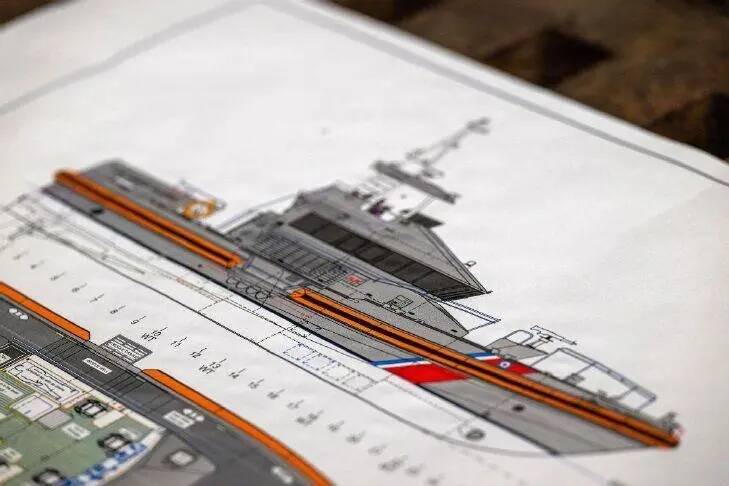
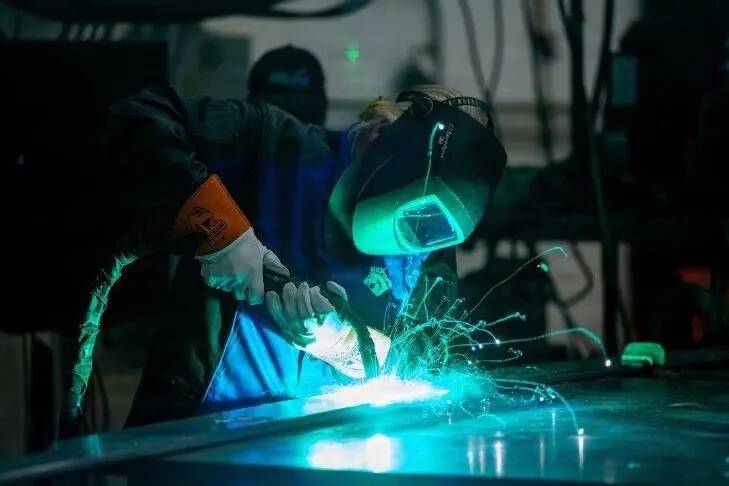
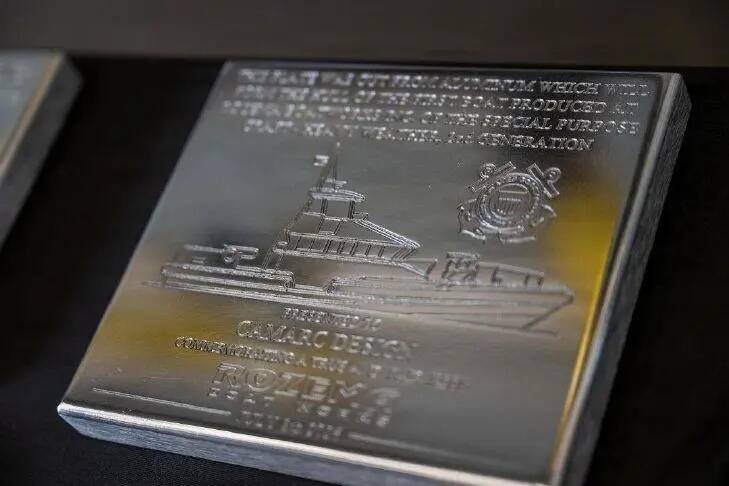
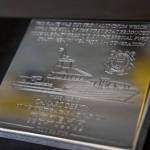
The U.S. Coast Guard and Rozema Boat Works authenticated the keel for the first special purpose craft – heavy weather (SPC-HWX II) during a July 8 ceremony in Mount Vernon, marking a significant construction milestone on a vessel that will enhance the Coast Guard’s ability to operate in extreme weather and surf conditions in the Pacific Northwest, with one coming to Station Grays Harbor in Westport.
“A keel authentication is a time-honored maritime tradition marking the formal start of a vessel’s construction,” the Coast Guard said in a statement. Rear Adm. Jon Hickey, deputy commandant for systems, component acquisition executive and chief acquisition officer, attended the event with Rep. Rick Larsen, D-Wash.; and other guests.
During the ceremony, Larsen and Chief Warrant Officer Beth Slade, commanding officer of the National Motor Lifeboat School in Ilwaco, welded their initials into the keel, signifying the keel is “well and truly laid.”
“This platform is going to bring significantly enhanced capabilities to the Coast Guard in the Pacific Northwest. Most importantly, it’s going to save lives,” Slade said. “The communities we serve depend on the ocean for their livelihood and this platform will enable us to support them in the extreme weather conditions we experience here in the Northwest. It has been an honor to work alongside my fellow surfmen, Coast Guard acquisitions, and Rozema Boatworks to help bring this vessel into service.”
The Coast Guard plans to acquire up to six SPC-HWX II vessels to replace the 52-foot heavy weather boats, which entered service in the 1950s and 1960s and were retired in 2021.
Like their predecessors, the SPC-HWX II will be homeported in the Pacific Northwest and designed to perform Coast Guard missions in extreme weather and challenging surf conditions beyond the capabilities of other boats. Some of the vessels will be based at Cape Disappointment, where new docks are being constructed to accommodate them.
The SPC-HWX II will support search and rescue, disabled vessel towing, law enforcement, ports, waterways and coastal security, as well as other Coast Guard missions. Cape D is considered the largest search and rescue station in the Pacific Northwest. The station conducts an average of 450 to 500 search and rescue cases annually, many of which are attributed to the Columbia River bar, regarded as one of the most treacherous river bars in the world.
Measuring 64 feet in length, the SPC-HWX II design features self-righting capability and can operate in 35-foot seas, 25-foot surf and winds up to 60 knots. Powered by twin 1,200-horsepower diesel engines, it will reach speeds of 20 knots, tow up to 300 tons, and operate up to 150 miles offshore.
With accommodation for a relief crew, the SPC-HWX II will have an endurance of up to 48 hours, a critical feature for long-range heavy-weather missions.
Delivery of the first SPC-HWX II is scheduled for 2027. The vessel authenticated this month has not yet been formally assigned a destination, a Coast Guard spokesman said last week.