Thirty 2026 gray whale strandings highlight importance of partner coordination and response
Published 1:30 am Friday, July 10, 2026
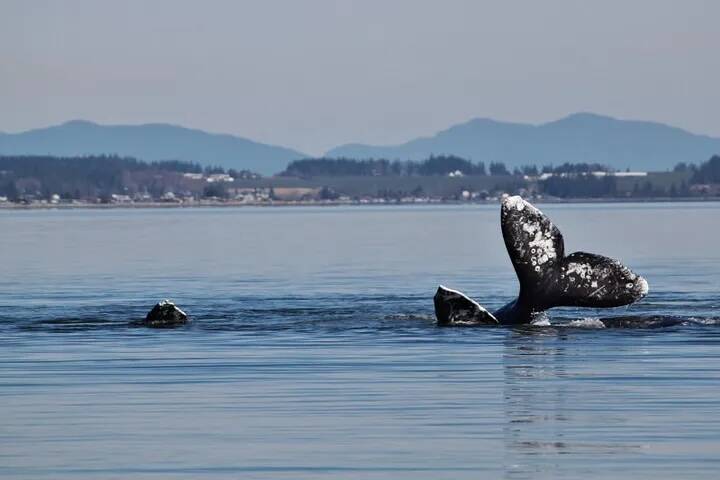
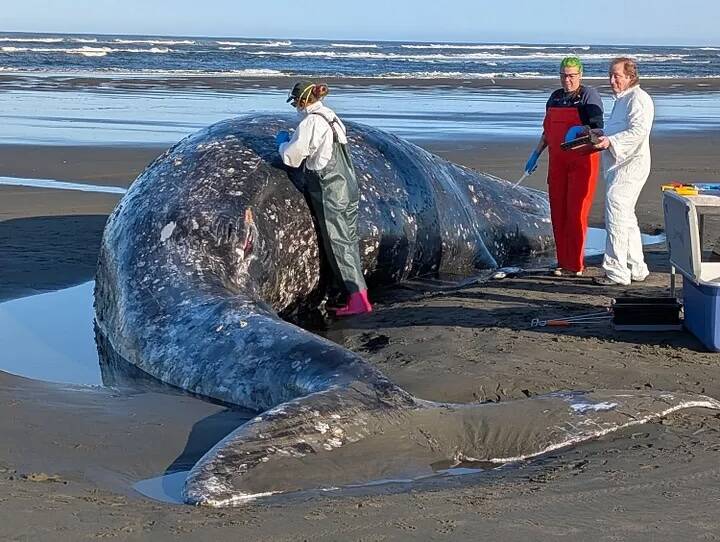
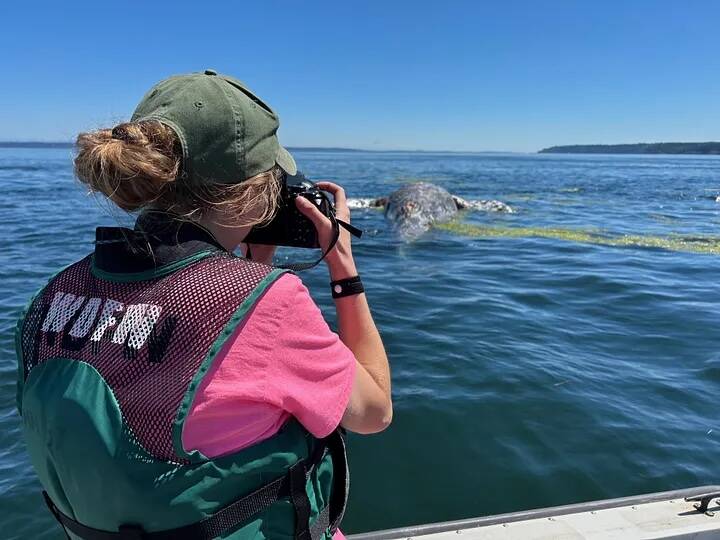
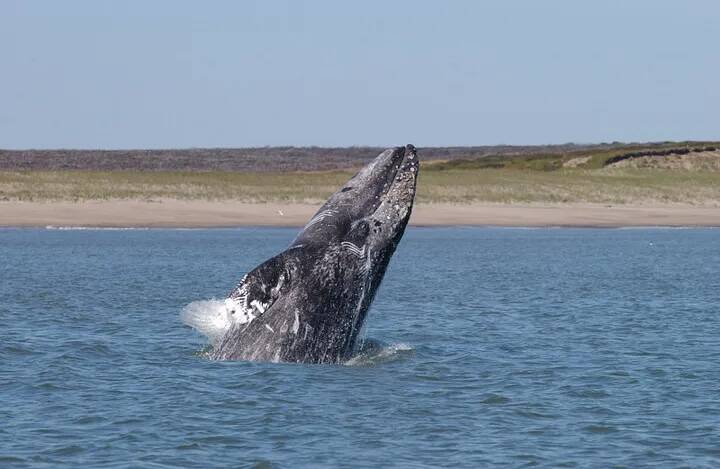

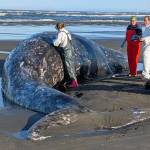

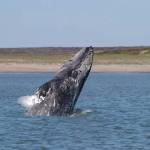
An unusually high number of stranded whales in Washington in early 2026 highlights the importance of interagency and partner response to marine mammal incidents on Washington coastlines and beyond.
The Washington Department of Fish and Wildlife (WDFW) works within a large network of marine mammal experts to respond to stranding events in Washington while also completing other work to conserve and protect marine mammals and their habitats.
2026 gray whale strandings
Marine mammal experts define a “stranded” marine mammal as one that may be stuck, either on land or in water, outside its natural habitat and needs assistance returning to its habitat. Stranded marine mammals include those that may need medical attention or those that are deceased.
Thirty gray whales have been found deceased in Washington as of July 6, 2026. Although it is normal to see some gray whale strandings in Washington every year, this number is significantly higher than normal. At time of publication, this is the second highest number of gray whale strandings in a single year in Washington — second only to 2019, the year NOAA Fisheries declared a gray whale unusual mortality event that would last until 2023.
Migrating gray whales (Eschrichtius robustus) travel past Washington coastlines every year as they move between breeding grounds in Mexico and feeding grounds in the Arctic. Gray whales have typically been fasting for months in warmer waters before their northward migration toward the Bering Sea, where they pass Washington between April and June. These migrating whales use their fat reserves to make it through the breeding season and the migration north.
Every year, some gray whales do not survive the long journey north — but the number of strandings in 2026 was noteworthy. Scientists, including those with Cascadia Research Collective, fear that this year’s high number of strandings support an ongoing concern about decreased gray whale food availability caused by warming ocean conditions. Malnourished whales are at greater risk for things like vessel strikes and entanglements that further threaten a struggling population.
While gray whale strandings are typically more numerous during the spring migration, they can occur any time of year. Some gray whales do not migrate further north and remain in Washington’s coastal waters during the non-breeding season.
How WDFW responds to marine mammal strandings
WDFW is a partner in the West Coast Marine Mammal Stranding Network, an organization of highly trained cooperating entities that respond to marine mammal stranding events along the Washington, Oregon, and California coasts as part of a nationwide network. Members of the West Coast Marine Mammal Stranding Network include scientific investigators and institutions, state and federal fish and wildlife agencies, volunteer networks, law enforcement, tribes, and qualified individuals in all three states.
As part of the Stranding Network, WDFW responds to reports of stranded whales, porpoises, seals, sea lions, and other marine mammals. These responses may include monitoring the animal or connecting with a permitted wildlife rehabilitator to administer care, depending on the species and condition of the stranded animal. If the animal is severely injured or unlikely to survive, experts may consider euthanasia to prevent prolonged suffering. WDFW and Stranding Network partners collect basic information on all deceased animals, and often also conduct thorough examinations and collect scientific samples to determine cause of death or learn other valuable information. The Stranding Network also coordinates with area tribes to determine their interest in any ceremonial activities related to a deceased animal.
Deceased whales pose additional challenges due to their size and the time it takes for the remains to decompose. Stranding Network responders work closely with partners to decide the most appropriate way to handle the animal’s remains that supports ecosystem function and potential human uses of a location. Sometimes, leaving a deceased whale in place is the most responsible option, even if it is inconvenient or unpleasant to people.
What to do if you see a stranded marine mammal
If you encounter a stranded marine mammal in Washington, keep your distance and do not interfere with the animal. You should report it immediately to the proper authorities.
For whales and most other marine mammals, contact the West Coast Marine Mammal Stranding Network. The Network will respond and connect with other appropriate wildlife experts, permitted rehabilitators, and/or law enforcement as needed.
Call the West Coast Marine Mammal Stranding Network (1–866–767–6114) if you see any of the following:
A live whale, dolphin, porpoise, etc. on the beach or entangled in the water
A live seal or sea lion that has been on the beach for more than 24 hours. It’s important to monitor these situations from a safe distance before calling the Stranding Network, as healthy seals and sea lions will often spend extended periods of time on land.
An obviously sick or injured animal
Any dead marine mammal
When you call the Network, plan to provide the following information if you can:
Species or description of the animal
Stranding location; region/landmarks and/or a specific location. GPS coordinates are helpful if possible.
Date and time the animal was last seen
Approximate size of the animal (length and weight)
Take a photo, if you can safely do so from a distance. You can share this with the Stranding Network responder later.
Condition of the animal (alive, dead, wounded, entangled, bleeding, etc.)
Human interactions (evidence of ship strike, entanglement, shooting, etc.)
Tags or branding on the animal (if applicable)
Name and contact number for the person reporting the incident
If you see a stranded sea otter, alive or deceased, please report it to WDFW at 253–208–2427. Reporting sea otter strandings directly to WDFW will help marine mammal experts respond more efficiently.
Do not approach, touch, move, or attempt to assist a stranded marine mammal. If you are not properly trained, trying to “rescue” a stranded animal can make the situation worse and put you in harm’s way. Stay at least 100 yards away from marine mammals, whether alive or dead. All marine mammals are federally protected under the Marine Mammal Protection Act, and it is illegal to harm or harass them.
If the animal is deceased, keep your distance. There are diseases that can spread from diseased wildlife to you or your pets. Keep dogs on leashes and only allow children to observe from a safe distance (100+ yards). Never take “parts” from a deceased animal. Even after death, marine mammals are still protected under federal law, and it is illegal to collect or possess teeth, baleen, bones, etc. without the appropriate permits or permissions.