DNA ‘fingerprints’ show salmon reach Olympic Peninsula’s uppermost streams
Published 1:30 am Monday, May 25, 2026
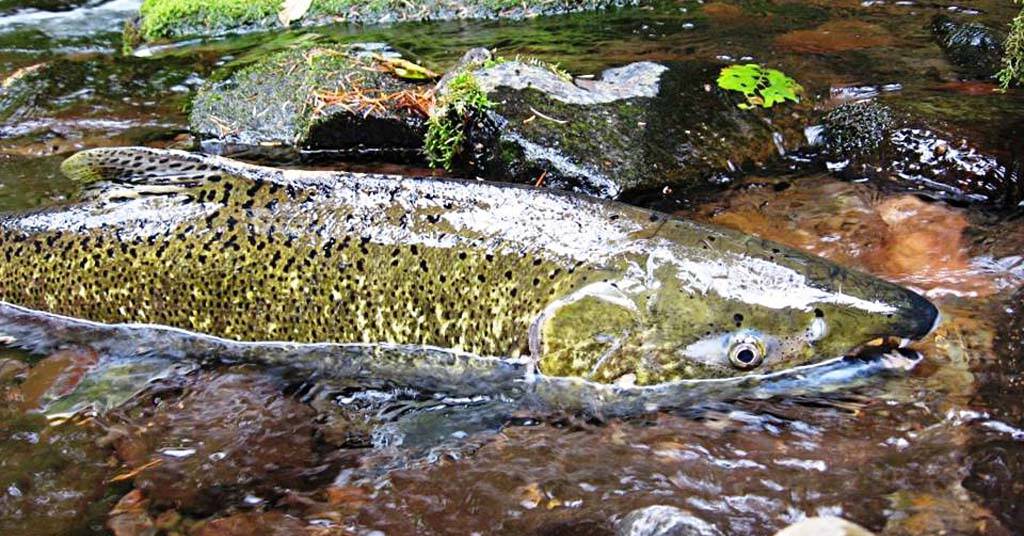

To reach their inland spawning streams, Pacific Northwest salmon overcome rapids, currents and even waterfalls, in some cases traveling hundreds of miles inland. Salmon are renowned for perseverance.
Even so, fisheries biologist John Hagan was surprised to find traces of Chinook salmon in some of the Olympic Peninsula’s least accessible streams.
“We’re detecting chinook high up in mountain stream systems where no one knew they went, partly because no one had been able to monitor there before,” Hagan told Columbia Insight.
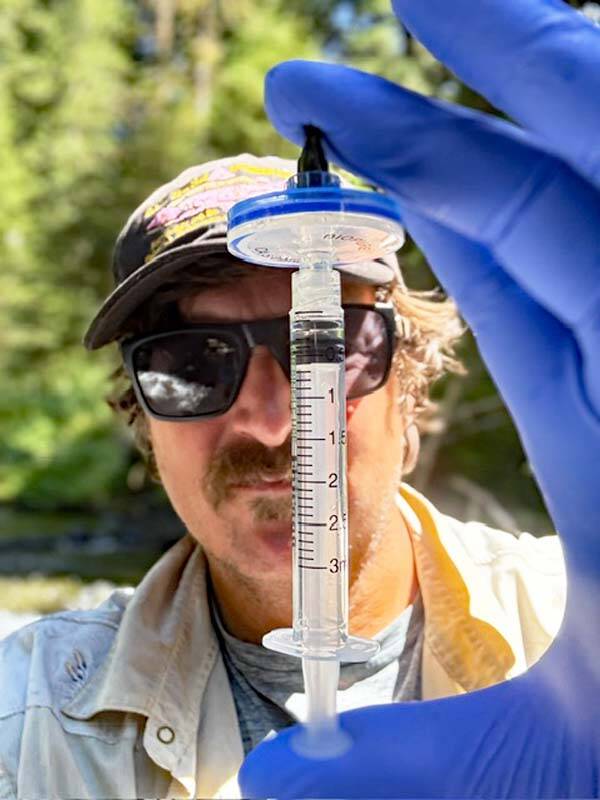
Hagan, who works as an aquatic habitat biologist for the Northwest Indian Fisheries Commission, leads an effort to detect salmon in hard-to-reach streams using DNA sampling technology. Searching for environmental DNA, or “eDNA,” is an efficient way to test for animals whose presence in aquatic ecosystems might otherwise go unnoticed.
“By sampling eDNA and factoring in how it deteriorates over time, we get a pretty good idea of what organisms were there, and when,” said Hagan.
Environmental DNA analysis has allowed biologists like Hagan to detect salmon high up in watersheds of the western Olympic Peninsula, in terrain that’s all but impossible to reach with the more cumbersome sampling equipment available in the past. Their results show the fish are even more adept at getting upstream than scientists realized.
Whether Chinook have always used these remote headwaters, or are penetrating farther upstream as climate change affects aquatic ecosystems, is a question science hasn’t yet answered. Either way, the effort required for them to reach these upper tributaries is immense.
“They have to get past waterfalls, plunge pools, logjams and all kinds of barriers to get up there,” said Hagan. “It’s a real testament to the resiliency and power of these incredible fish.”
eDNA breakthroughs
Living things are continuously shedding DNA into their environment.
“Sitting in my office, I’m shedding DNA,” said Hagan. “We all are, constantly. And in aquatic environments, DNA shed by organisms becomes suspended in the water column where it can be detected.”
The technology used to sample eDNA is relatively new, and western Washington Tribes are at the forefront of harnessing it. Hagan works with the Makah, Quinault, Quileute and Hoh Tribes, all on the western Olympic Peninsula.
“The Tribes saw early on that eDNA analysis was a valuable, emerging tool,” he said. “Six or seven years ago they asked me to lead this work, and it really paid off. Since then, eDNA has become a major monitoring tool across world fisheries.”
Companies like Victoria, B.C.-based Ocean Diagnostics manufacture equipment used to sample for eDNA, which consists of a lightweight pump that runs water through specialized filters.
Microscopic pieces of organic material caught in the filter are sent to a lab that analyzes their mitochondrial DNA.
“The genes in mitochondrial DNA are kind of like fingerprints,” said Hagan. “They tell you what species of organisms you’re looking at.”
As the technology advances, researchers have been able to gather more information from mitochondrial eDNA. Hagan’s team used to sample for one gene that signals the presence of Chinook salmon, but today they look at 11 genes found on one mitochondrial chromosome.
“Instead of just learning what fish are there, we’re able to detect insects, bacteria, mammal and other organisms,” said Hagan. “It’s giving this incredible picture of the food web and biodiversity.”
To reach the mountain tributaries where they sample for eDNA, scientists have backpacked into some of the wildest, most rugged parts of the Olympic Peninsula. The effort involves a lot of orienteering far from established trails.
“Last year we hiked into one of the most remote parts of these watersheds, a place we’re not sure anyone’s ever been to before,” said Hagan. “And we found Chinook salmon.”
Chinook DNA has been detected at elevations as high as 1,440 feet, and some 34 river miles from the Pacific.
It’s possible salmon have always used these extreme headwaters.
Or, they may be penetrating deeper into watersheds to find the cool streams they need to thrive. Streams on the western Olympic Peninsula are more adversely impacted by warming than waters elsewhere in the state.
“That has an effect on salmon,” said Hagan.
The western peninsula’s streams and rivers fall within the accustomed fishing waters of the four Tribes Hagan works with, whose right to harvest fish is protected by treaty law.
The Northwest Indian Fisheries Commission supports the work of these Tribes and 16 others in western Washington to restore and monitor salmon runs. Collected data has expanded where salmon harvested by the Tribes are known to occur.
“Hiking up to reach some of these places, it’s hard to imagine salmon making it up there after their multiyear journeys in the ocean,” says Hagan. “To learn they can reach these obscure mountain headwaters, it’s pretty special.”