Grays Harbor PUD joins in suit against hydropower injunction
Published 1:30 am Friday, April 10, 2026
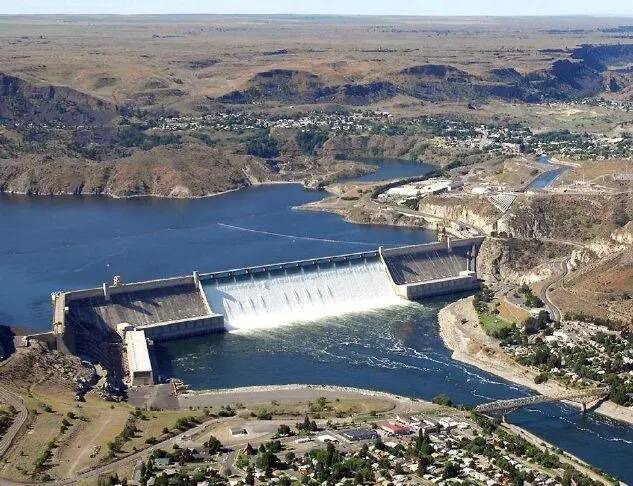
Several dam stakeholder groups have filed appeals of the U.S. District Court preliminary injunction requiring increased spill over Columbia River and Snake River dams and lower reservoir levels, including the Grays Harbor PUD.
The Grays Harbor PUD is an active member of the Public Power Council, a non-profit association which represents more than 100 consumer-owned electric utilities, according to Ian Cope, communications and government relations director for Grays Harbor PUD.
The Grays Harbor PUD believes this case has the potential to impact power affordability and reliability for their customers.
Federal defendants in the case filed an appeal in the Ninth Circuit Court of Appeals March 27. The Inland Ports and Navigation Group filed an appeal April 1.
The federal government on April 7 requested a stay of the order pending appeal. The navigation group will be filing its own motion for stay in the coming days.
“We expect the court to take it up sooner rather than later, given the urgency of these issues,” said Neil Maunu, executive director of the Pacific Northwest Waterways Association.
The nonprofit represents the interests of more than 100 consumer-owned electric utilities in Washington, Oregon, Idaho, Montana, Nevada and Wyoming.
“As summer draws near, we are worried about new river operations in August that — if paired with extreme temperatures — could increase the chances for blackouts,” Scott Simms, CEO and executive director of the council, stated in a press release.
‘Fingers crossed’
PPC’s appeal focuses on ensuring that any real-world consequences the injunction has on river operations and Northwest communities are “fully described and properly considered,” the council press release states, citing increased energy costs and risks to grid reliability.
“We support continued progress in fish recovery grounded in sound science while also ensuring the federal hydro system can continue to reliably and affordably serve the millions of people who rely on it 24/7,” Simms stated. “We continue to assert both goals are not mutually exclusive.”
The system-wide impacts of the court order threaten federal hydro operations annually, but “all eyes right now are on the month of August,” Simms stated.
“Fingers are crossed it won’t be a scorcher summer combined with high spill rates that severely hobble hydro production and threaten blackouts,” Simms stated. “Of course, ‘fingers crossed’ is a terrible way to run the region’s largest source of clean, renewable power — which is why we simply cannot stand idly by and hope it all works out.”
How likely is an appeal to stop the preliminary injunction actions?
“We’re hopeful,” Simms told Capital Press. “We need to try everything we can to stop this runaway train.” Irrigator response Darryll Olsen, board representative for the Columbia-Snake River Irrigators Association, said his organization will not join the federal defendants or defendant-intervenors in a motion to stay the injunction order, and “definitely” will not appeal Judge Michael Simon’s order.
Olsen believes the appeals are “extremely unlikely” to make an impact.
“The defendants and defendant-intervenors, they’re just going through the motions,” Olsen said. “It’s just very unfortunate that the administration ended up blowing this up, and the defendant-intervenors thought that was a good thing.”