Assessing future sites in the Cloquallum Watershed for stream restoration
Published 1:30 am Friday, May 29, 2026
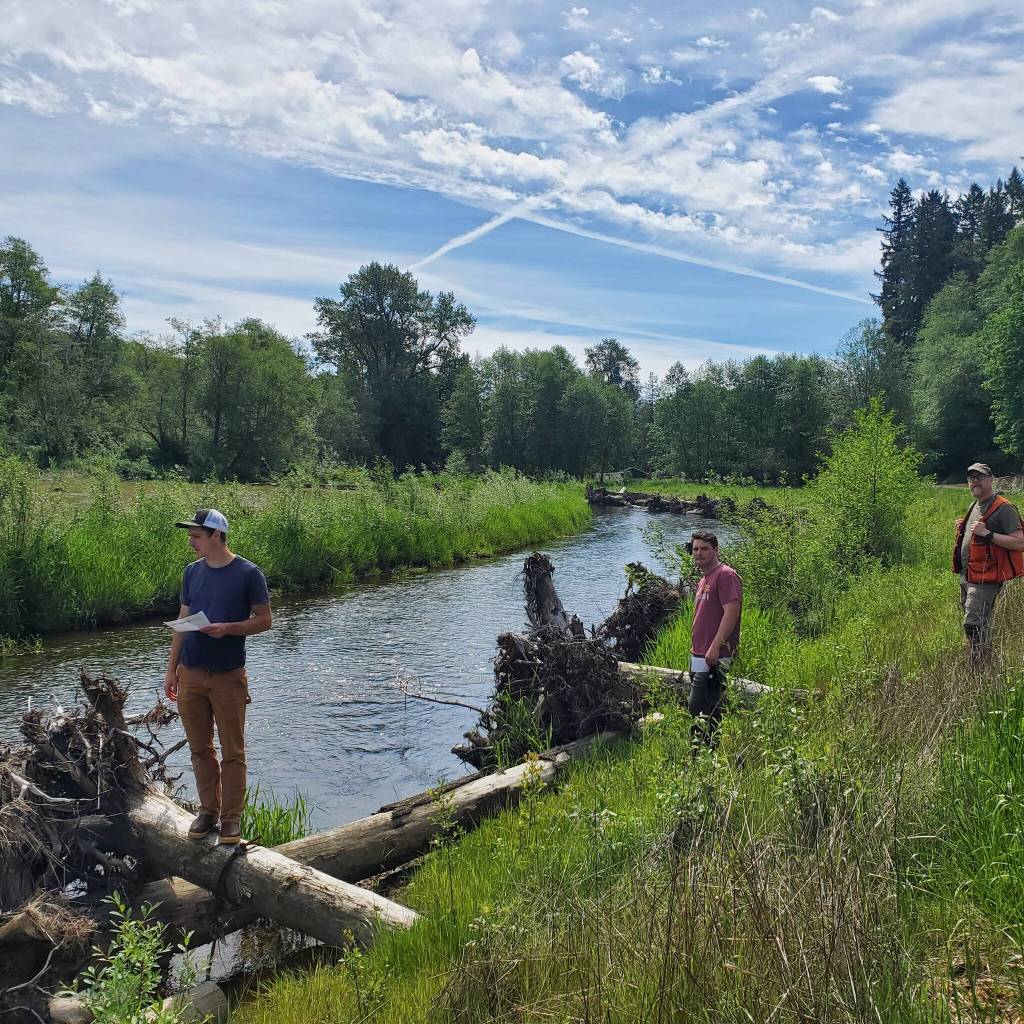
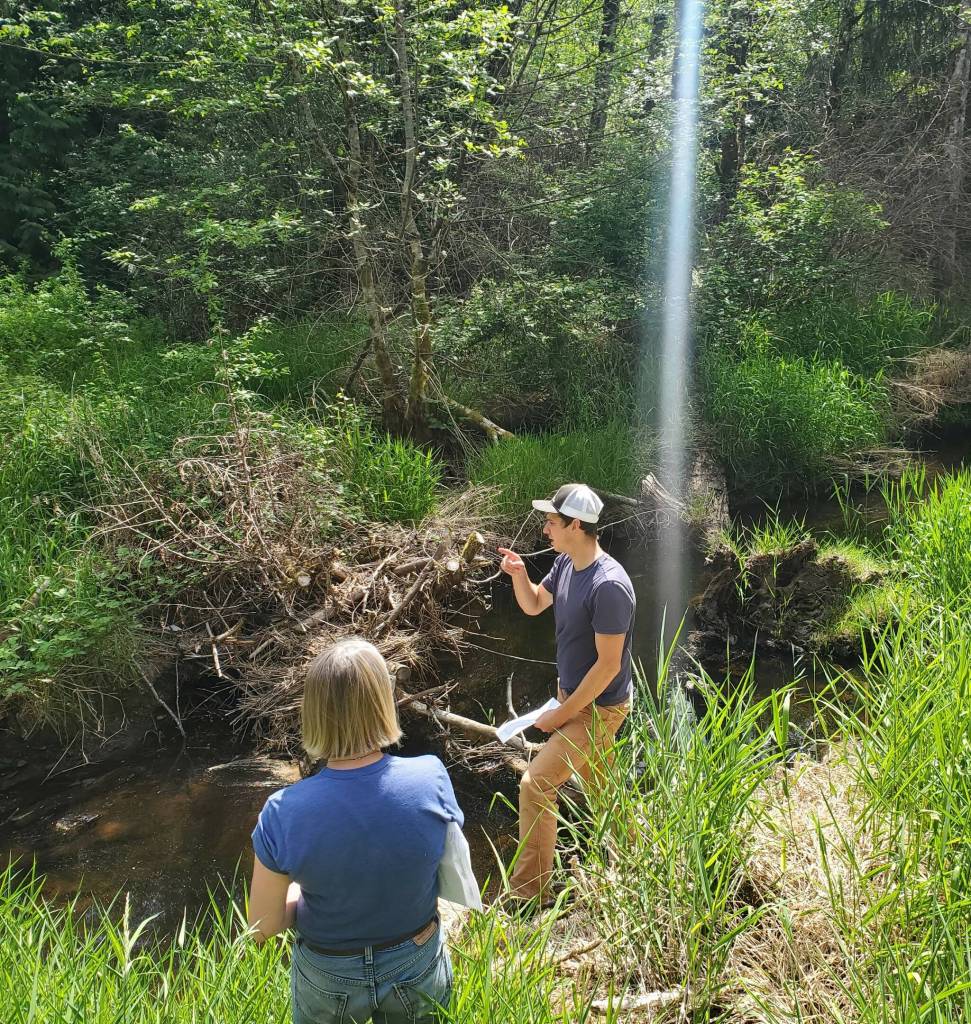
Earlier this month, members of the Cloquallum Work Group spent the day visiting sites in a portion of the Cloquallum Management Unit within Grays Harbor and Mason counties to assess the suitability of future stream restoration projects.
As its name suggests, the Cloquallum Management Unit encompasses the Cloquallum Creek and its well-known tributaries, such as Bush Creek, the three Wildcat Creeks, Newman Creek and Mox-Chehalis Creek. With headwaters that begin in the southern Olympic Mountains, the creeks that run through Elma and McCleary are their final stretches before connecting with the Chehalis River.
Collectively, its drainage area of these creeks is 70 square miles across Grays Harbor and Mason counties.
Within the Chehalis Basin Collaborative for Salmon Habitat’s organizational structure, the Cloquallum Work Group is under the Habitat Work Group, whose goal is identifying projects that will aid in salmon recovery. Members of this work group are practitioners, representing disciplines that include stream or restoration ecologists and fish biologists, and agencies and nonprofits including Department of Natural Resources, Mason and Grays Harbor conservation districts, Department of Fish and Wildlife and Coast Salmon Partnership.
Serving as tour guide was John Stepanek, a watershed restoration project manager with the Grays Harbor Conservation District. The Daily World accompanied the group to three sites in Grays Habor.
“This group spent two years doing restoration planning but based on local knowledge of some members,” said Kirsten Harma, watershed coordinator with the Chehalis Basin Partnership and Chehalis Basin Collaborative for Salmon Habitat.
A driver for this field trip was to do on-the-ground validation of the wood and riparian assessment models that the group uses. Site attributes such as core habitat, number of landowners and prime habitat are assigned scores. This is the first step of the restoration process, as some sites may be good candidates based upon the model but in reality may be too costly to restore or securing landowner sign-off on the project may be challenging.
“The goal of this round of looking at things is to identify enough area so that once you do the survey, you don’t spend too much money surveying things that you already know,” said one attendee.
Additionally, funds are limited so this process helps select sites where the greatest impact can be realized if the project is funded.
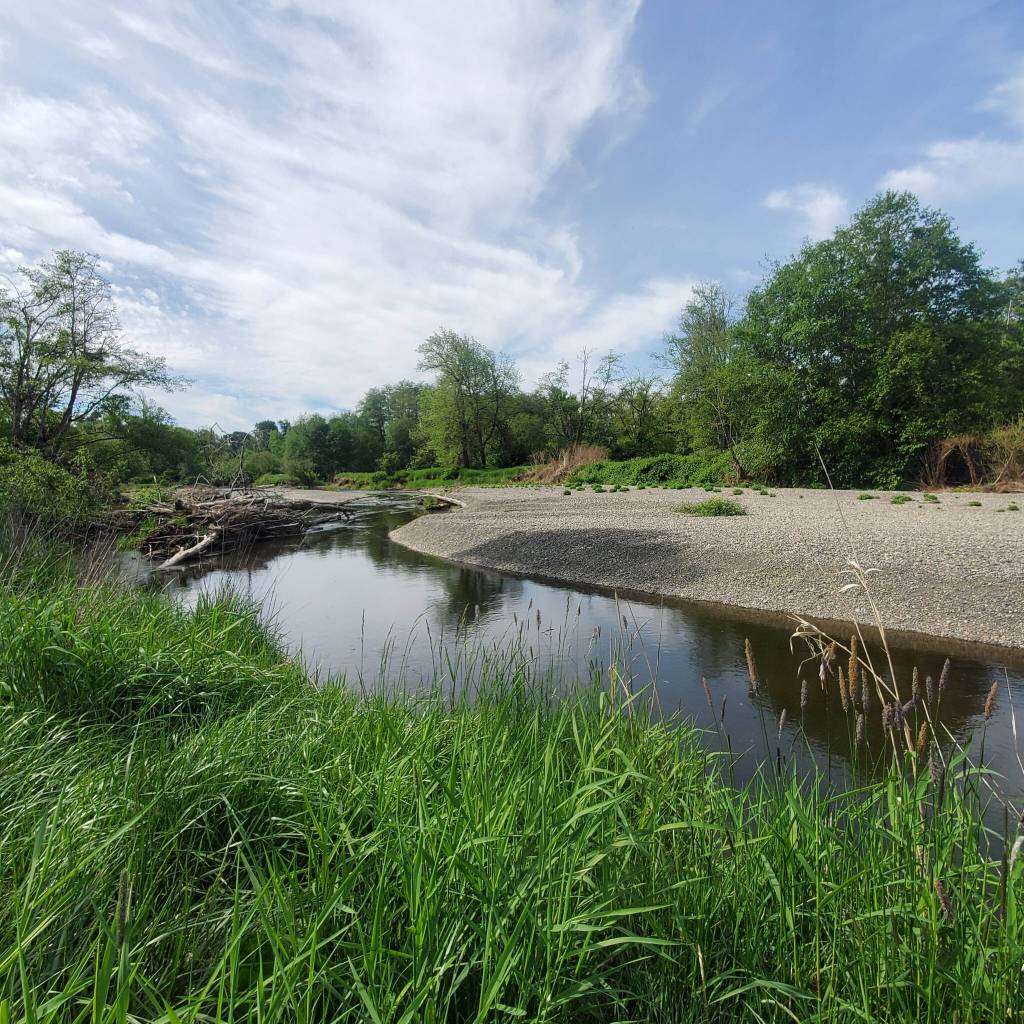
At the first site on Cloquallum Creek, just outside of Elma, the assessment was a lot of gravel in the system, hardly any large wood and a lot of good knotweed work is underway.
At the second site further up the Cloquallum Creek, restoration was already underway, with rock and root wads placed upon the bank to reduce erosion and planting of native plants further up the bank.
“You can also see that all of the recruitment of willows and alders across the creek is all natural,” said Stepanek. “We didn’t plant any of that, which is really kind of building up quite nicely.”
In the near future, further upstream logjams will be placed to return some of the flow into a relic channel, and work downstream will improve what Stepanek described as “backwater habitat.”
The Elma Hicklin Barrier, the third site, is easy to overlook when driving on the Elma Hicklin Road since it’s below the roadway. It’s an example that rated high as a fish barrier because removing it would open up more habitat, but not a high priority based on the wood model. Coho are found in this creek, along with Chinook if the timing of the fall rains overlaps with when the Chinook are running.
Next steps are compiling the scores of the group and further discussion. As for the projects coming to fruition, that will depend upon funding.