McCleary Historical Society exploring expansion
Published 1:30 am Tuesday, August 4, 2026
In the fall of 2019, the McCleary Historical Society needed a new site for its museum. Since 1984, the Carnell House had served as the museum but it was time to find a new home. At a community meeting held in the VFW Hall, Linda Thompson, president of the McCleary Historical Society, broached the idea of purchasing the Methodist Church as the future home of the society and museum. Thompson recalled that the community voiced agreement for the idea and agreed to help and pursue funding.
“I thought the worse that could happen is we could fail,” Thompson said.
This past May, the McCleary Historical Society celebrated their 50th anniversary in what is now known as the McCleary Museum & Event Center because the funding and volunteers came forward to invest in the society’s future.
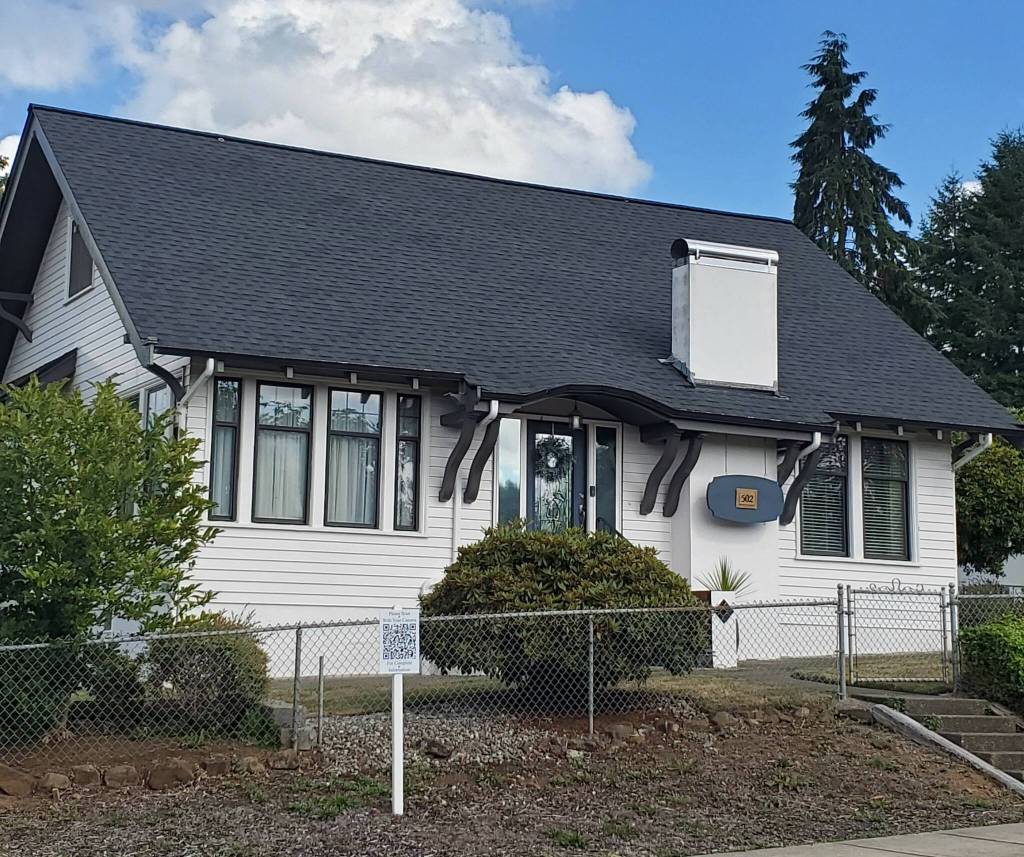
Last month, the board made another investment in its future by voting to pursue ideas for acquiring the house across the street. Built in 1929, the house is significant to McCleary’s history because Henry McCleary built the house for his plant manager.
“And it still has all of the original woodwork, the original sink, kitchen sink, some of the original light fixtures,” said Sue Palm, President of the McCleary Historical Society. “It’s in pristine condition.”
The current owner, Debbra Andrews, inherited the house from her father, Bill James, and she allowed her aunt Clarissa and her husband Robert Novak to live there. They were supporters of the museum and gave the museum items for the collection, Palm said. Although Andrews lives in North Carolina, she’s always been a member of the museum.
Prior to Novak’s passing in April, the couple allowed the McCleary Historical Society to store their lawnmower in their garage.
“We don’t have any storage here [at the museum],” said Palm. “And for particularly large things, we’ve had some pieces of furniture that have been offered to us that we have nowhere to put it or if we were to get offers of machinery, but we don’t have anywhere to store it.”
Storage isn’t the only way the historic house could complement the museum.
“Number one would be that we could rent or lease it and have income to this property. We could partner with somebody, such as Simpson, and we could use it for meetings or parties,” Palm said.
The question now is how to obtain funding, with the house having an asking price of just under $700,000.
“There are many grants available but, of course, grants take time,” said Palm, adding that, “So we’re either looking for someone to purchase it and hold it while we try and find grants, because there are actually many out there that we could purchase it with.”
Currently, the McCleary Historical Society earns enough revenue to cover the utilities and property taxes if the house was acquired, and the acquisition would also present opportunities for additional revenue.
Until the funding is secured to purchase the house, the long-term vision remains just that – a vision. However, when Thompson had been approached by the Methodist Church to purchase their building as a future home for the museum, she recalled not even considering “it a viable option as we had less than $10,000 in the bank.”
But then the community stepped up.