What’s at stake: How budget reductions impact fish, wildlife, and people
Published 1:30 am Tuesday, July 14, 2026
With hundreds of thousands of World Cup fans experiencing Seattle this summer, we’re continuing to see visitors discover how much Washington state has to offer.
As the USA turns 250, we continue to celebrate the habitats, species, and natural beauty we share in Washington, from vast coastal mudflats, eelgrass beds and rocky reefs to temperate rainforests and high alpine meadows to arid grasslands and shrubsteppe. That biodiversity is a major reason why people come here and why Washingtonians stay connected to nature year-round. It’s also an opportunity and a responsibility to manage these resources well. That’s where the Washington Department of Fish and Wildlife (WDFW) comes in.
As a land manager to one million acres of public land across 33 wildlife areas and more than 475 water access areas, WDFW has a front-row seat to part of what makes this state so unforgettable: Washington’s great outdoors.
WDFW’s mission is integral to ensuring we can continue to enjoy these wild spaces for generations. We conserve native fish and wildlife, protect and enhances the environment, and provide recreational and commercial fishing, hunting, wildlife viewing, and other sustainable opportunities for residents and visitors.
Our work isn’t just good for wildlife, it’s good for people, too. Based on research from our partners at the Washington State Recreation and Conservation Office, we know that trail-based activities offer many health benefits including improved cholesterol levels and protection against chronic diseases like cardiovascular disease, diabetes, and obesity. Outdoor exercise also can improve mood, restore attention, and decrease anger, depression, and stress.
Not surprisingly, the outdoors also brings good news for the economy: WDFW supports more than $9.2 billion in recreational spending each year and nearly 60,000 jobs statewide. We know that nearly 4.5 million Washingtonians hunt, fish, or watch wildlife. That’s a lot of outdoor trips that often include visitor spending in rural communities, from lodging, gas, to that after-hike cheeseburger. In addition to the outdoor recreation economy, the state’s commercial seafood industry supports 26,000 jobs and $326 million in revenue from seafood unloaded at Washington ports and docks.
So, whether it’s preserving wild spaces, investing in the health and well-being of our state’s residents, or continuing to support economic drivers in communities across Washington, WDFW is a core part of how people experience Washington.
As we face the impacts of climate change, from devastating wildfires to historic flooding, our mission-driven conservation work is more important than ever. As the state continues to navigate its budget deficit, we’re working hard to address shortfalls, which include areas of our work like fishing opportunities, lands maintenance stewardship, and investments in WDFW Police. As a result of the Legislature’s cuts, the Department will see a reduction of $14.4 million in total per fiscal year, in addition to the $20 million reduction in the 2025 legislative session.
The Department will have significantly reduced funding for forest thinning and prescribed burn treatments on WDFW-managed lands. The pace and scale of forest health treatments — which enhance ecosystems and species, reduce costly wildfires, and support local communities and economies — will slow significantly.
A lightning strike started a small fire on the Sherman Creek Wildlife Area in northeast Washington on May 29. It didn’t spread, thanks in part to forest management treatments that WDFW completed in the past.
Similarly, funding for lands management and maintenance is not keeping up, with recent land stewardship and maintenance investments cut by 50%.
These same budget reductions mean that WDFW Police, a fully-commissioned, general authority police force that supports public safety as well as fish and wildlife conservation, lost 11 field officers as of July 2026. Despite the state’s population rising 50% since 1995, WDFW Police has the same number of officers that we had 30 years ago. This further erodes WDFW Police’s ability to patrol wild spaces and provide a safety presence on marine waters (including during international events — like the FIFA World Cup). WDFW Police also aid in natural disaster response, assist city and county police, and investigate local and large-scale illegal trafficking and poaching.
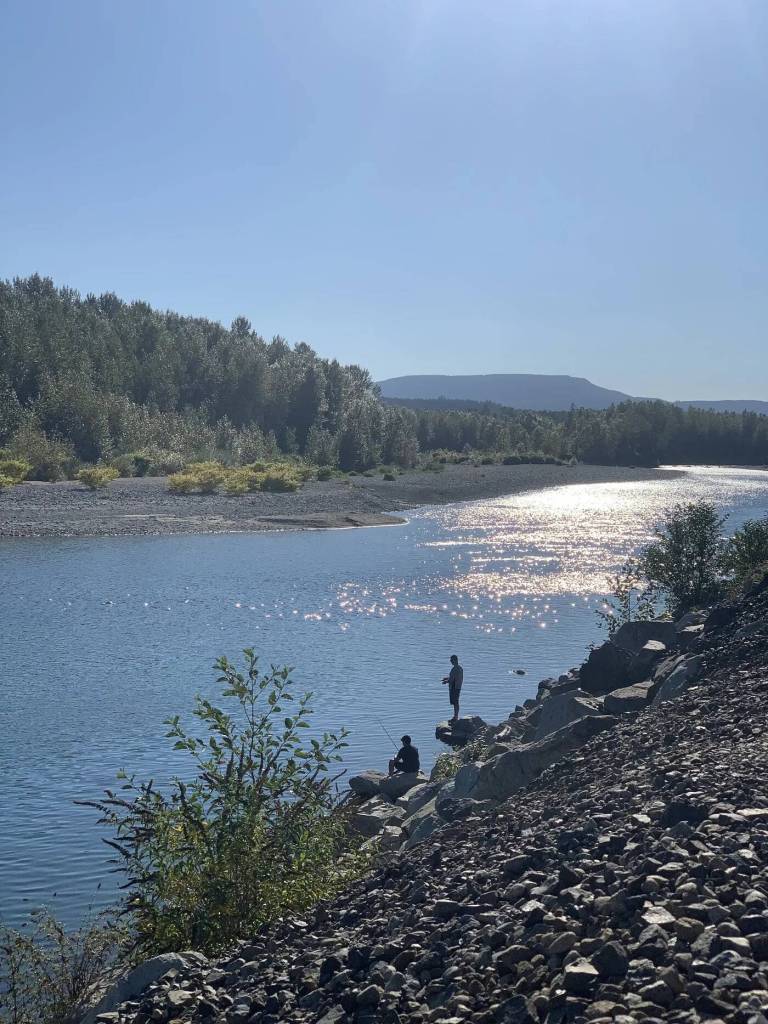
The Department will have reduced funding for monitoring in the Stillaguamish, Snohomish, and Skagit rivers that may result in reduced freshwater fishing opportunity beginning in late-summer and fall 2026 and continuing through at least 2027. Without funding to hire and train staff, including seasonal technicians, to conduct fisheries monitoring and survey returning salmon and steelhead runs, WDFW may need to reduce or revise fisheries during times when Chinook salmon, steelhead, or other protected species and stocks of concern are present.
We know these fisheries are important to anglers and communities in the North Puget Sound Region. Summer, fall, and winter fisheries on the “S Rivers” offer thousands of anglers accessible, relatively low-cost fishing opportunity close to home. These fisheries also have a rich and cherished angling history. WDFW does not take these potential closures lightly.
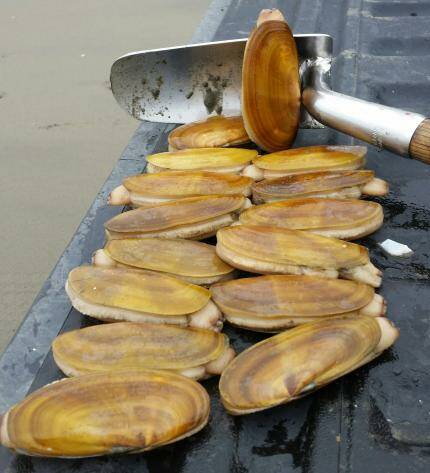
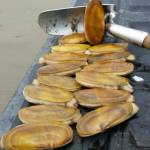
Looking to the coast, we will also have less staff capacity to survey razor clams and support marine toxin analysis, which could result in delayed season opening and reduced opening days.
Over the coming months, WDFW will be continuing conversations with its partners and the state’s legislative leaders around the importance of land stewardship, forest health, Enforcement, and more. We recognize just how much is at stake.