Trial begins in WA suit against Safeway’s parent owner over opioid epidemic liability
Published 1:30 am Tuesday, July 14, 2026
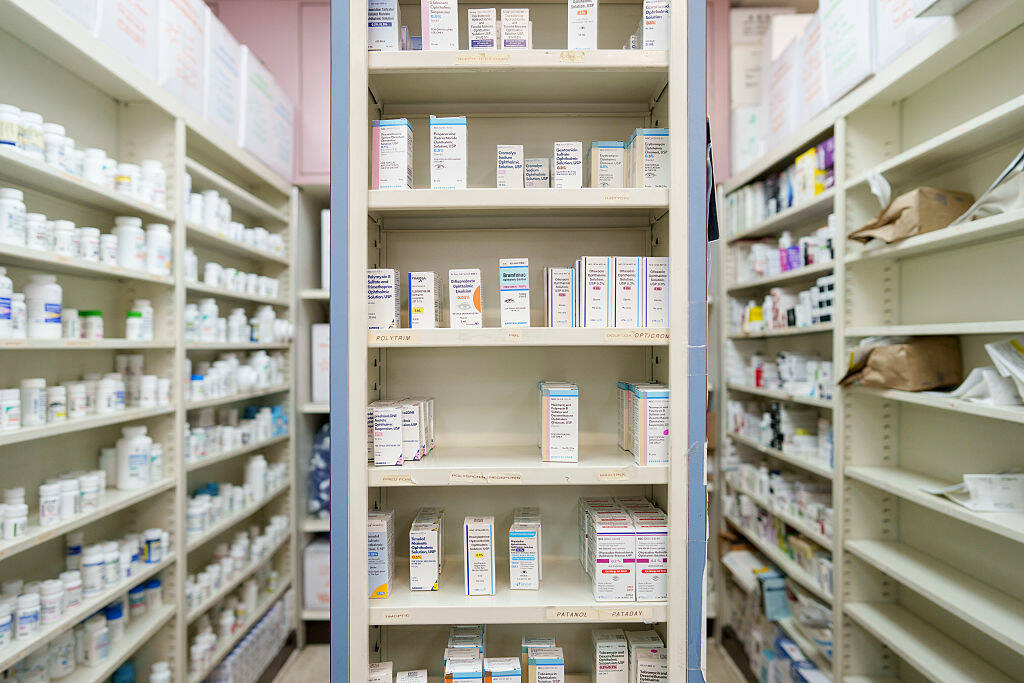
Washington state wants grocery chain Albertsons to pay for its alleged role in fueling an opioid epidemic that has killed thousands here.
State Attorney General Nick Brown argues Albertsons dispensed hundreds of millions of opioid pills despite red flags in many cases that should’ve made the company’s pharmacy staff think twice.
A trial in the state’s lawsuit against Albertsons began Monday in King County Superior Court. The verdict could result in more money for Washington’s response to the opioid crisis.
“Pharmacies are supposed to be the last line of defense against potent addictive medication being misused or diverted into the illegal drug market,” Kelsey Endres, from Brown’s office, said in an opening statement at the trial. “This corporation, however, left its pharmacists and other employees without the vital tools needed to fulfill their role.”
The company pointed to doctors prescribing the dangerous opioids more and more aggressively to treat pain as the cause.
“The part that the state always leaves out is doctors hold the only key,” said attorney Enu Mainigi, representing Albertsons. “Without a doctor’s prescription, the gate does not open. So when doctors wrote more prescriptions, pharmacies like ours received more prescriptions to be filled.”
This is the latest litigation here over the opioid epidemic, as Washington has sought to hold opioid manufacturers and distributors accountable.
A multistate settlement against Purdue Pharma, the company that made OxyContin, resulted in $106 million for Washington, split between state and local governments. That money, most of which will come over the next three years, is supposed to cover addiction treatment and prevention work. The state has gotten millions of dollars more from other drugmakers.
In all, Washington has received more than $1.3 billion for state and local governments to grapple with the opioid crisis.
Albertsons has been defending against similar claims across the country. In April, the grocery chain agreed to pay $774 million to settle numerous other lawsuits filed across the country.
In Washington, the company, which owns Safeway and Haggen, runs more than 200 pharmacies. The state, under then-Attorney General Bob Ferguson, sued Albertsons, as well as other national pharmacy chains Kroger and Rite Aid. Kroger in 2024 agreed to pay Washington $47.5 million.
The state has also signed onto opioid-related settlements, bringing in millions of dollars from Walmart, Walgreens and CVS, among others.
The allegations
Between 2006 and 2022, Albertsons dispensed more than 641 million opioid pills in Washington, according to Brown.
Over 6.5 million prescriptions had red flags that the chain still unlawfully filled, according to the attorney general’s office. Albertsons showed little to no due diligence in almost all of those cases, the state alleges. The company disagrees.
Albertsons’ policies also did little to prevent drug diversion that allowed pills to end up in the wrong hands, according to attorneys for the state.
“This case is about a corporation chasing profits at the ultimate price that nevertheless claims it is blameless,” Endres said. “Getting to lawfully make money off of dispensing highly addictive drugs is a privilege, and with that privilege comes stringent obligations under both federal and state law.”
The state’s attorneys cited cases of Albertsons pharmacies dispensing thousands of pills to single customers. In one month, a customer at a Kent pharmacy got over 5,000 opioid pills. Dan Alberstone, a lawyer representing the state, poured thousands of pills into a container to illustrate the scale of the problem for Judge Janet Helson.
At one store, a family medicine doctor made up 60% of all the oxycodone dispensed, said Jeff Gaddy, an attorney working for the state. Most of that doctor’s prescriptions were flagged. But the company didn’t warn its pharmacists about the risks of dispensing medication he prescribed, Gaddy said.
Albertsons later found a store that had been filling opioid prescriptions for a patient who was known to sell his drugs, Gaddy added. Pharmacists are legally required to identify drug diversion. And law requires reporting suspicious in-house orders between pharmacies to the U.S. Drug Enforcement Administration, which Albertsons also didn’t do, according to the state.
A Safeway in North Bend agreed in 2017 to temporarily suspend filling controlled substance prescriptions after an investigation found the store hadn’t notified the DEA of tens of thousands of missing hydrocodone tablets until months after Safeway learned employees had pilfered them. The inquiry found a widespread practice of Safeway failing to report missing or stolen pills. Safeway agreed to pay $3 million in that case.
After that, Albertsons created a compliance team to focus on these issues. But the team immediately became overwhelmed with reporting drug theft and loss. This meant it provided store pharmacists with little help in ensuring they were properly dispensing prescription opioids, Gaddy said.
The defense
Albertsons says the increasing prescription of opioids dates back to the 1990s.
Up to that point, opioids were primarily used for end-of-life care and cancer pain, Mainigi said.
At that time, talk of how to treat chronic pain swelled. Washington state and national guidance started to encourage more opioid prescribing. In 2005, for example, Washington Attorney General Rob McKenna, along with colleagues in other states, signed a letter to the DEA criticizing the federal agency for hindering opioid access, Mainigi said.
State rules approved around this time held that pharmacies “have a duty to deliver lawfully prescribed drugs or devices to patients,” except in cases of fraud or error.
“The pharmacist’s role is not to reexamine patients and question the judgment call of a patient’s doctor unless there’s a real reason to believe a prescription is illegitimate,” she said.
Mainigi noted Albertsons tells its pharmacists to exercise caution if they didn’t know the prescriber or the prescription didn’t seem to fit with the doctor’s scope of practice. If they couldn’t resolve their concern, they could refuse to fill the prescription.
Mainigi added that the state’s list of cases with red flags isn’t accurate.
The pendulum swung back against opioid prescribing within a few years, as the epidemic grew. In 2010, for example, the state Legislature passed a law restricting doctors’ opioid prescriptions in hopes of stemming increasing overdose deaths.
Albertsons argues it has updated its policies as standards evolved.
“Albertsons always had tools, guidance, and monitoring in place to help pharmacists make safe and appropriate decisions about whether to dispense,” Mainigi said. “So, is our policy better today than it was in 2020? Yes. Better in 2020 than 2012? Yes, but that does not mean Albertsons’ prior policies were unreasonable or unfair under the law.”
She acknowledged Albertsons could’ve done better in isolated cases, “but a small number of mistakes did not cause or substantially contribute to the opioid epidemic.”
The bench trial in Judge Helson’s Seattle courtroom is expected to last into September.