Contaminated clean up sites in Grays Harbor discussed
Published 1:30 am Wednesday, July 8, 2026
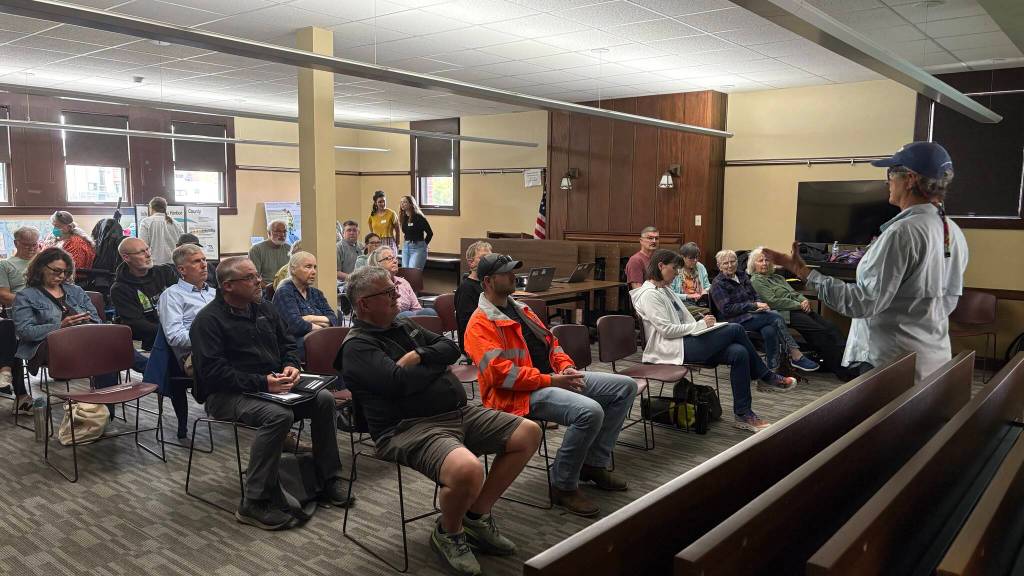
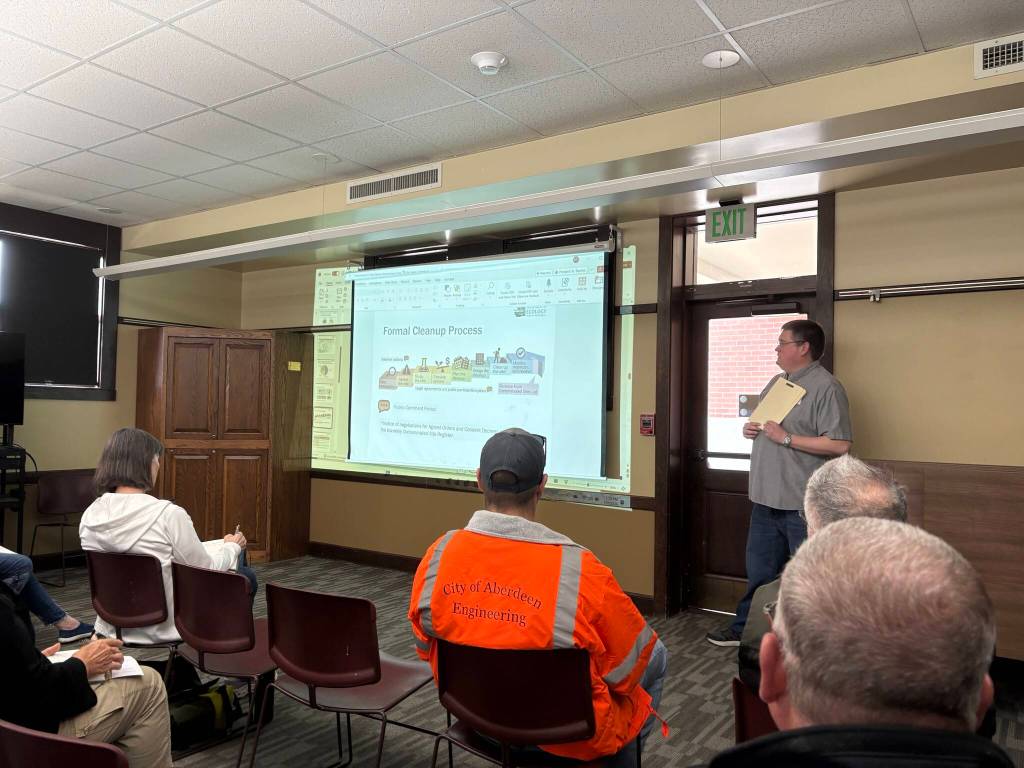
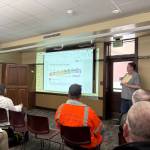
Twin Harbors Waterkeeper, a member of the international Waterkeeper Alliance, held a public information event in the packed meeting room at the Hoquiam Timberland Library on Tuesday, along with invited presenters from the Washington State Department of Ecology. The topic? Contaminated clean up sites in Grays Harbor County.
Lee First, who is the soon-to-be-retired Twin Harbors Waterkeeper, made opening remarks and explained the role of the organization before introducing her replacement, Maya Rommwatt, and Tim Mullin of the Department of Ecology.
First said that Twin Harbors Waterkeeper receives $60,000 in public participation grants to hold such outreach events.
“I am so impressed with the turnout and with the questions people asked. It seems like people know about these sites, they’re concerned and they want something to be done,” First said. “My main concern is that none of the complicated sites have been cleaned up.”
First added that it is very important for people to be aware of the world they live in and the areas in which they travel and frequent.
Mullin, along with three colleagues, spent nearly 90 minutes discussing clean up sites and the Department of Ecology’s processes for identifying and overseeing the mitigation for contaminated sites and answering questions peppered throughout the presentation. He also went over Ecology’s public-facing online tools for looking up sites and reporting previously unknown contamination. Mullin said that there are currently 6,500 sites in Washington that need some type of contamination clean up and that 140 of them are in Grays Harbor County.
He went over the different categories of escalating clean-up orders such as agreed orders, consent decrees and enforcement orders and the types of clean-ups and their associated steps, and the voluntary clean-up program, which has been in existence for the past 27 years. The voluntary clean-up program has resulted in more than 3,100 site clean-ups, which is five times as many formal clean-ups. Mullin also touched on fully independent clean-ups where property owners work with environmental consultants.
Mullin also talked about Ecology’s environmental incident response efforts and the organization’s online reporting tool, which has received 750,000 submissions during its existence.
He then spoke about three specific sites in the area: the former Port of Grays Harbor Terminal 3 export development facility, which is the future home of the Pacific Northwest Renewable Energy [PNWRE] pellet plant and PNWRE’s voluntary clean-up efforts resulting from previous usage of the site as a logyard; the former Butcher’s Scrap Metal site; and Harbor Battery.
To find out how to report a suspected contaminated site, visit: https://ecology.wa.gov/footer-pages/report-an-environmental-issue
To look up identified contaminated sites in the region and learn about their status, visit: https://apps.ecology.wa.gov/cleanupsearch/reports/cleanup/contaminated