Three more dead gray whales wash up in Moclips, Quinault Indian Nation and Ocean Shores this week
Published 1:30 am Friday, June 19, 2026

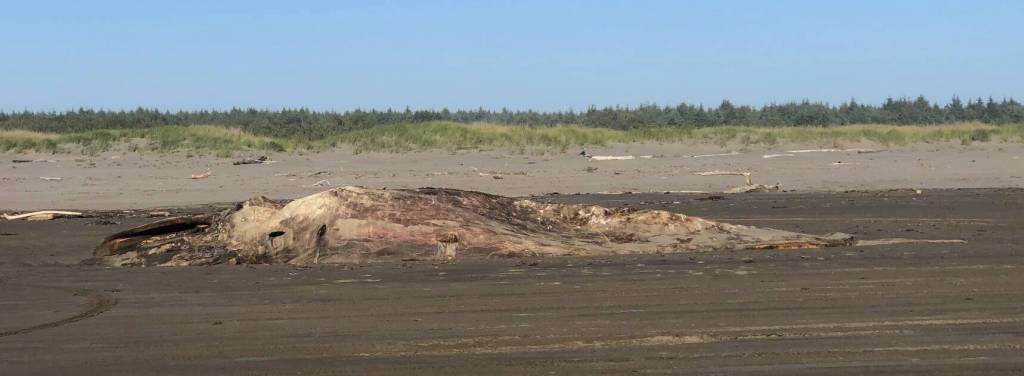
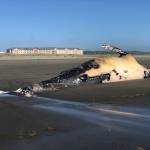
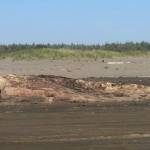
Three more gray whales have washed up dead on the coastal beaches of Grays Harbor County, all on the same day — Tuesday, June 16.
The whales were found on the beaches of Moclips, the Quinault Indian Nation and in Ocean Shores. The Moclips and Quinault Indian Nation dead whales were decomposed and no necropsies were performed. The one in Ocean Shores died from malnutrition and blunt force trauma, according to Cascadia Research Collective.
On Thursday, June 18, Cascadia Research examined a female gray whale in Ocean Shores. This is the 30th dead gray whale in Washington so far this year. This is already the second highest number of annual gray whale mortalities ever recorded in Washington; the highest being 34 whales in 2019 and there are still more than six months remaining in 2026.
The most common finding among examined whales has been malnutrition, sometimes accompanied by internal trauma consistent with vessel strike. This whale was no different. It was a female, around 40 feet long, that was malnourished with trauma to the head, consistent with a vessel strike. Tissue samples will be analyzed over the coming weeks and months, which may provide additional insight into other factors that may be contributing to the overall poor condition of most of these whales.
The eastern North Pacific gray whale population has experienced high mortality levels since 2019, which has been linked to ecosystem changes in their Arctic feeding grounds that has affected both quality and quantity of prey.