‘Willapa Willie’ suffered malnutrition, internal injuries
Published 1:30 am Wednesday, April 8, 2026
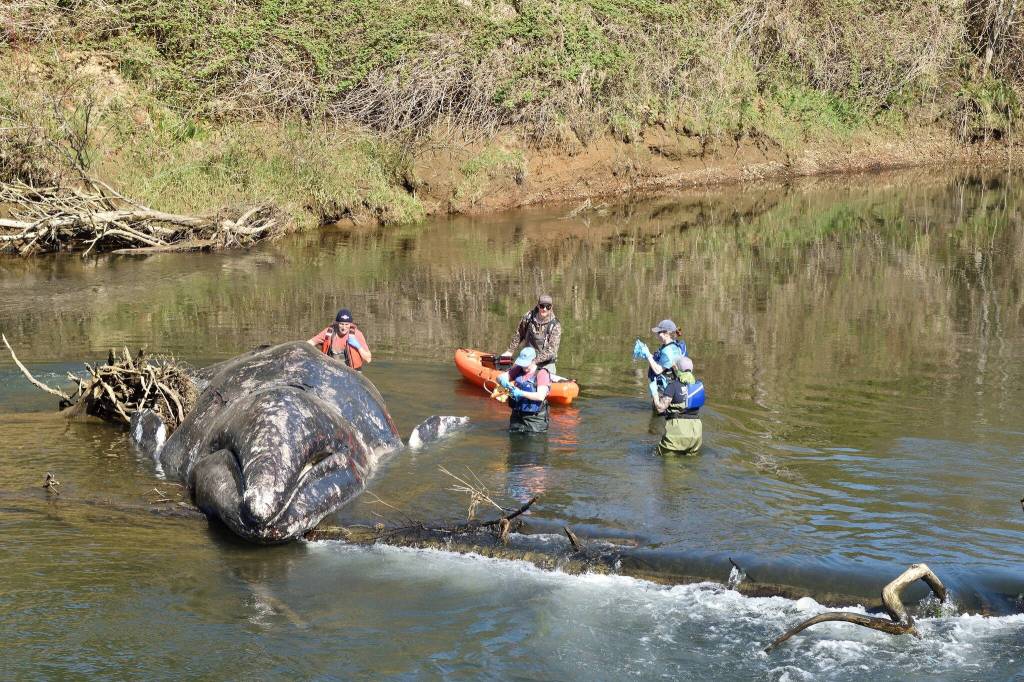
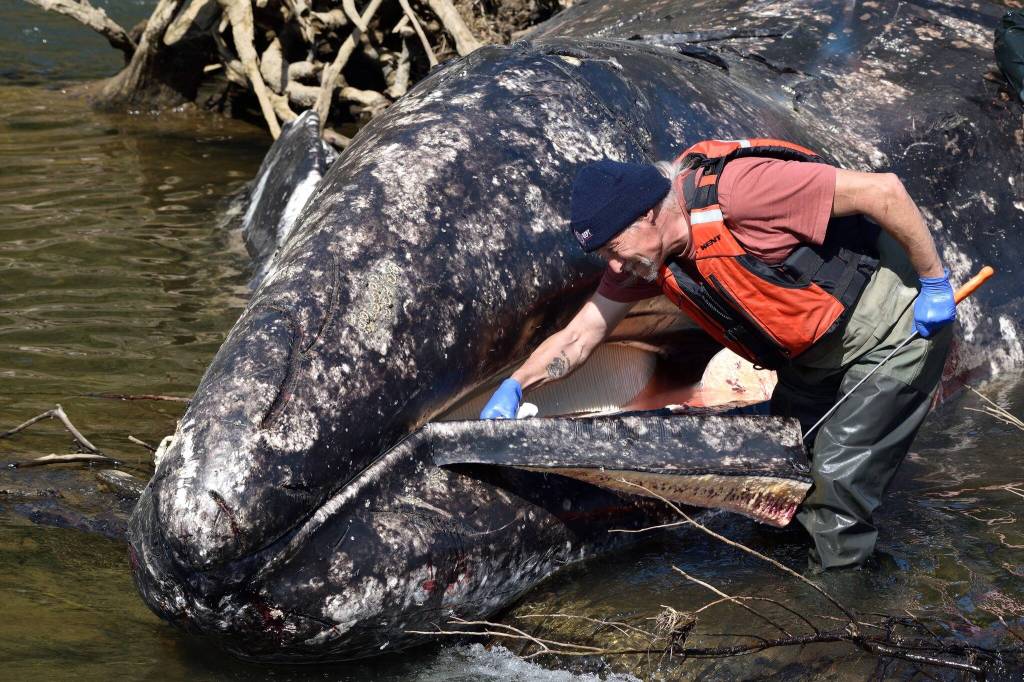
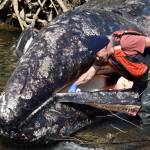
An autopsy of the gray whale that died Saturday after swimming 20 miles upriver on the Willapa River revealed it suffered from malnutrition and internal injuries.
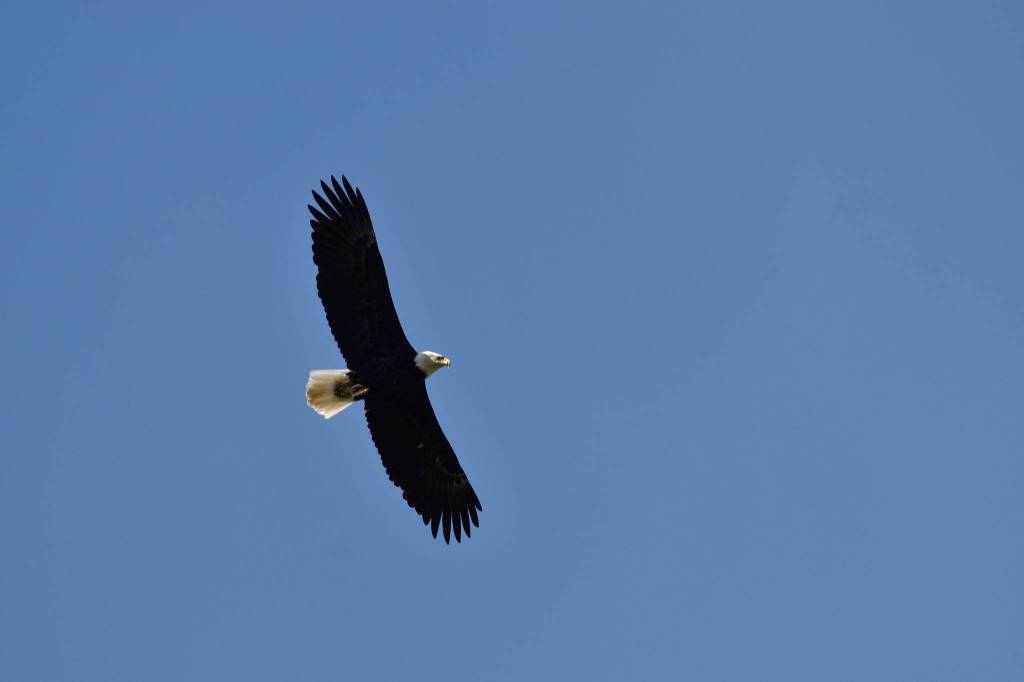
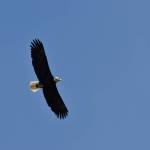
A necropsy took place on Monday. Cascadia Research Collective conducted the Gray Whale Necropsy with the assistance of the Chinook Indian Nation and Shoalwater Bay Indian Tribe who also harvested some of the gray whale from the middle of the Willapa River for subsistence and cultural purposes. The gray whale’s body will now provide food for animals like the bald eagle who started circling the area after the gray whale’s body cavity was opened for the necropsy.
This examination confirmed the poor nutritional status of the whale and documented some internal injuries related to being wrapped around woody debris, according to the Cascadia Research Collective. It also measured larger than first estimated and is closer to adult sized. They were unable to determine gender due to body position, but that will be determined through analysis of the genetic sample collected.
“It is not possible to remove it from the location, and it will remain at the site for natural decomposition,” according to a news release from the Cascadia Research Collective. “Bones will be collected for cultural use by the Chinook and Shoalwater Bay Tribes as the animal decomposes.
“Given the poor body condition and lack of other injuries, we suspect this whale ended up traveling up the river because it was already in a very debilitated state, which is why it ended up where it was. It is challenging to redirect free-swimming baleen whales based on similar events in other locations. Our necropsy results support the decision to not take immediate aggressive actions which would have further stressed the whale and not changed the ultimate outcome.”