Where have Olympic Peninsula elk herds gone?
Published 1:30 am Monday, February 2, 2026
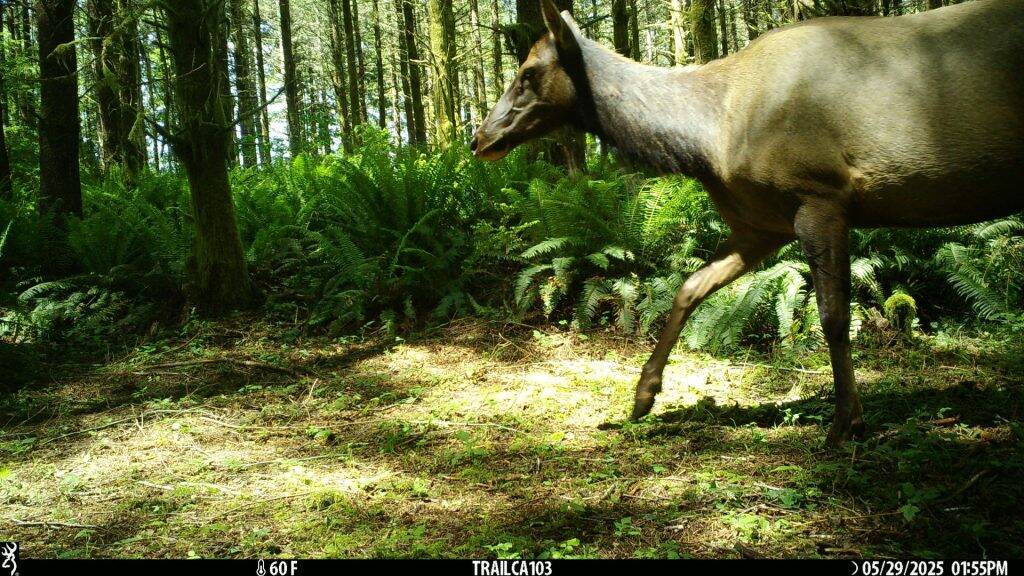


The elk herds being tracked by the Skokomish Indian Tribe have mysteriously diminished.
“The numbers are not great for the elk,” said Bethany Ackerman, the tribe’s wildlife biologist. “And weird things have happened that we can’t quite explain.”
The tribe has been collaring elk and tracking herds since 2008 to get an idea of population sizes and migration patterns throughout the southern half of the Olympic Peninsula. The tribe focuses on three herds that move between several game management units.
But these herds suddenly appear to have shrunk or are nowhere to be found along their normal routes of travel, Ackerman said.
“Some would hang in the Skokomish Valley, and some would get in the hills and go up to Holman Flats, and they cruise around near High Steel Bridge,” she said. “Now we can’t find any sign of them in those areas.”
Even tribal hunters are having a hard time finding them.
“Harvest is down,” Ackerman said. “Tribal hunters have a lot of traditional knowledge of where these animals should be and they just aren’t there.”
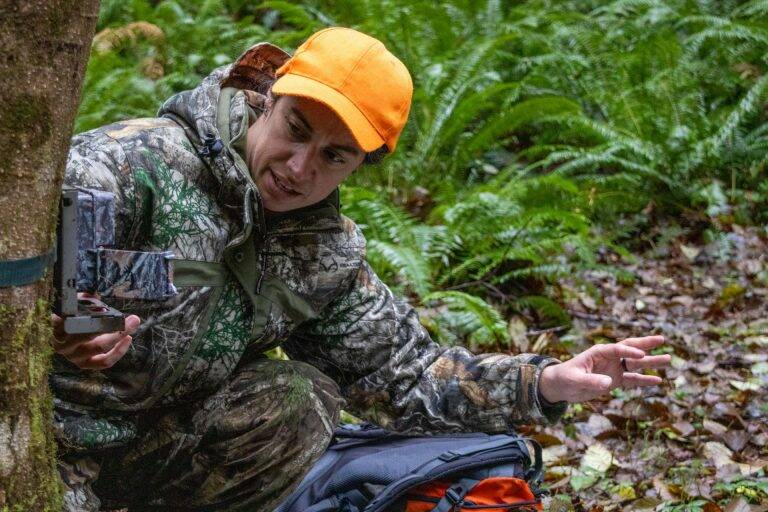
In addition to outfitting elk with collars for tracking via satellite and radio transmission, the tribe participates in the Olympic Cougar Project, which uses an expansive wildlife camera grid to look for six species all over the peninsula—cougars, elk, deer, bobcat, coyotes and bears—and uses that information for population and migration studies.
The tribe is now putting out more cameras where they suspect elk would find food and refuge.
“Where would you go if you were an elk?” Ackerman said. “Let’s put all the cameras out there and just see if we can find them.”
While hoof disease is prevalent in these herds, an animal can survive with symptoms for quite a while.
“I really don’t think that they all died. I think that they’re just doing something different, and I don’t know what that is,” Ackerman said.
She and her staff are looking in areas where the herds have been found in the past but also where they have not been found previously. They’re also checking with the tribe’s hunting committee for ideas of places to look, and purchasing five new GPS collars for any females they might find in the future.
At one point, the tribe had about 15 active collars on elk; now just six are providing data, as the devices typically only last a few years. When herds are located, the tribe will partner with the state to dart elk on the ground in hopes of getting more collars out to continue monitoring.