Inside Aberdeen’s new youth detention center
Published 1:30 am Wednesday, June 4, 2025
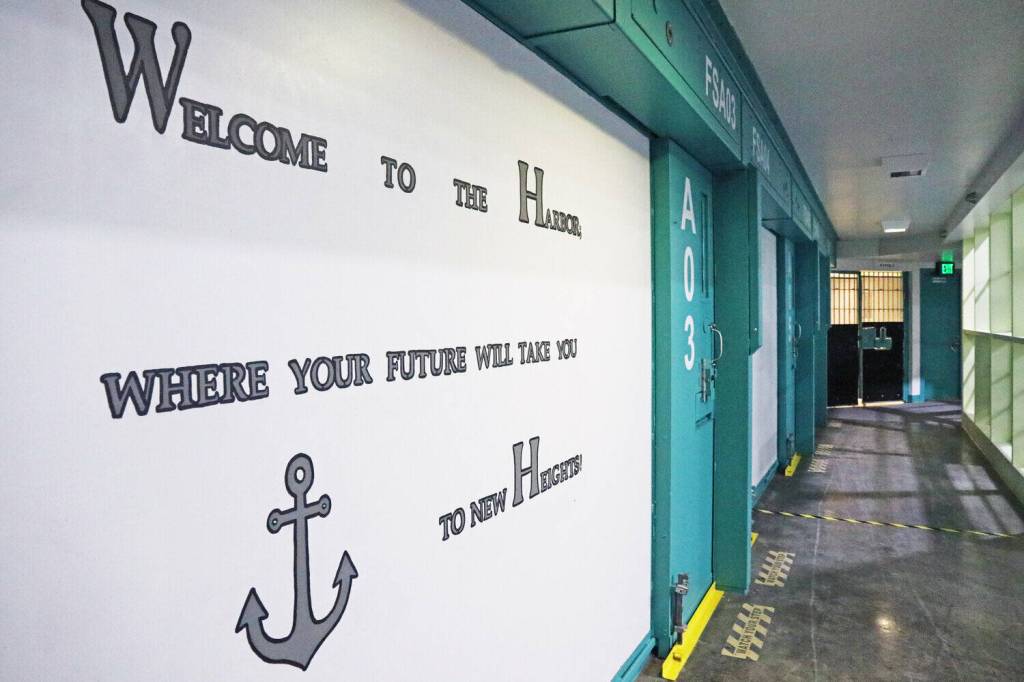
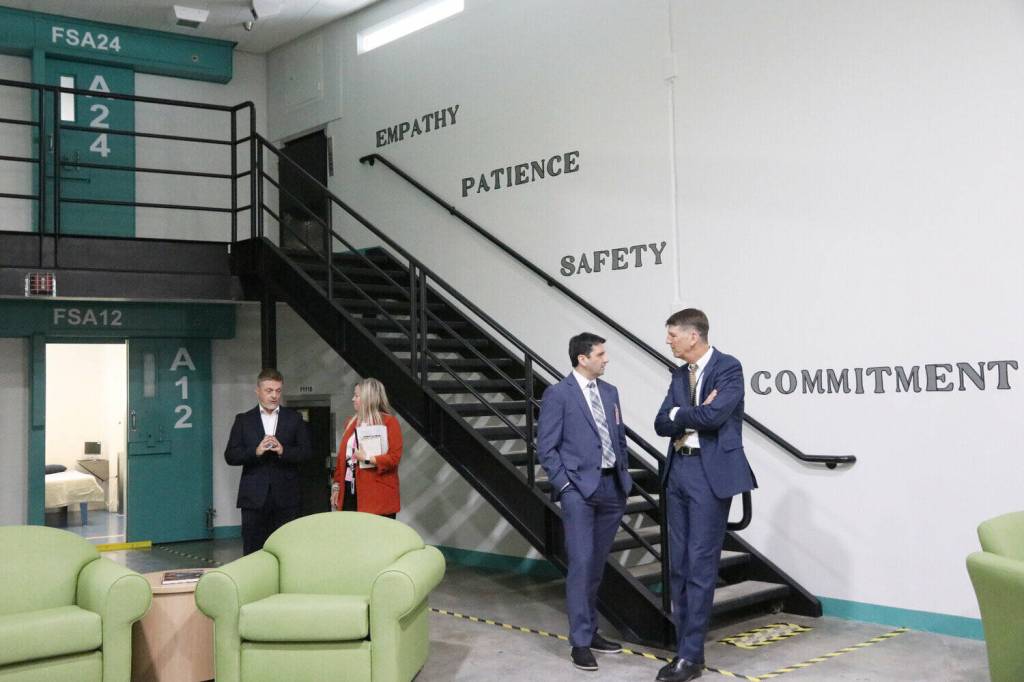
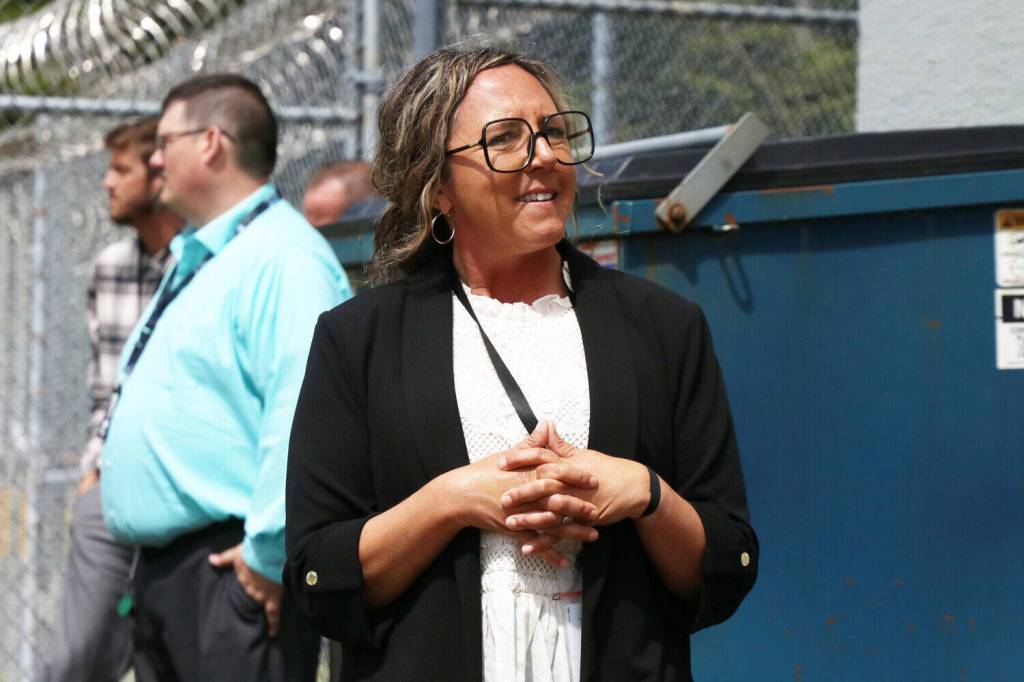
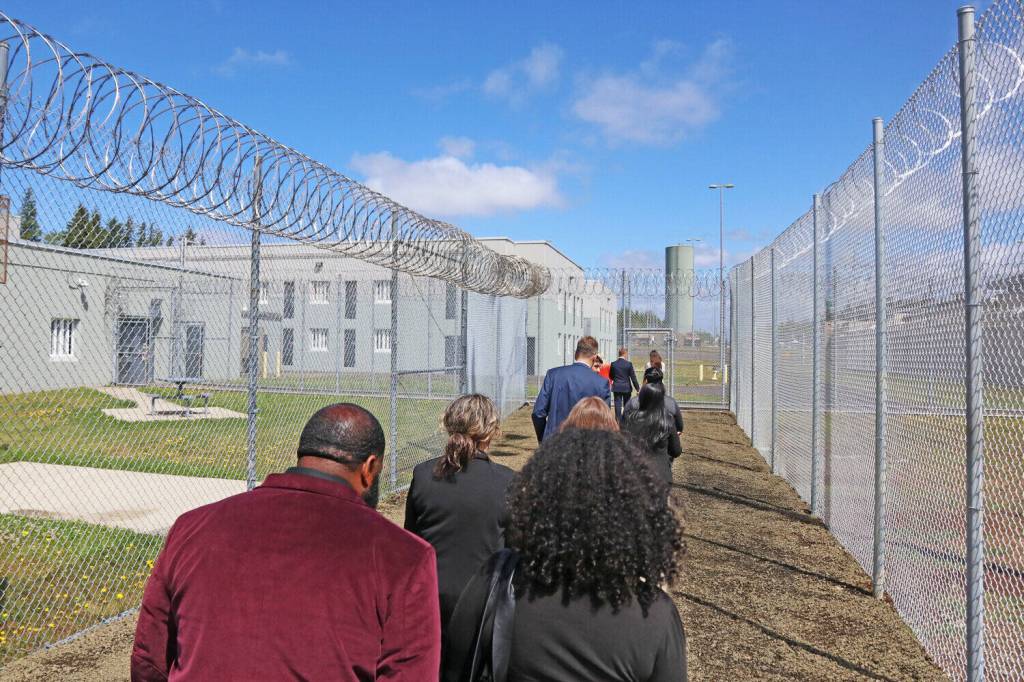




Eight current residents of Green Hill School in Chehalis will be voluntarily transferred to Harbor Heights, a new juvenile rehabilitation center on the grounds of Stafford Creek Corrections Center near Aberdeen, on June 9.
The group will be the first cohort of the 48-bed facility, which is intended to alleviate the intense overcrowding at Green Hill School in Chehalis.
“This is not going to solve the overcrowding issue at Green Hill,” Department of Children Youth and Families (DCYF) Secretary Tana Senn said during a media tour of Harbor Heights on Thursday. “This is an important start and important instant relief, and we will continue to need additional space to address overcrowding at Green Hill.”
“Harbor Heights will give young people and staff some breathing room at Green Hill to work on the treatment they need,” Harbor Heights Superintendent Kendrick “Ken” Rochelle stated in a DCYF news release. “I believe that change can happen. It can’t rain forever.”
DCYF announced that it was exploring a new youth rehabilitation facility in Aberdeen in September 2024.
Late last year, former Gov. Jay Inslee included $33 million for the project in his final budget proposal.
Harbor Heights utilizes existing structures at Stafford Creek Corrections Center, which is an adult facility run by the state Department of Corrections, but both DCYF and DOC staff confirmed Thursday that Harbor Heights and Stafford Creek operations will not overlap.
“Governor (Bob) Ferguson has stressed to agency leaders the importance of agencies working together to solve problems on behalf of Washingtonians,” said DOC Secretary Tim Lang. “I think this facility is an example of that principle in action.”
According to Lang, DOC and DCYF entered into a memorandum of understanding for DCYF to utilize a previously unused unit at Stafford Creek Corrections Center and to operate it as Harbor Heights independently from DOC.
“DOC’s role is essentially limited to support. We’re not unlike a landlord might be,” Lang said. “So we are here to help DCYF operate this facility in the way they want to operate it and to provide support, and we’re looking forward to continuing this collaboration to ensure that this is a success.”
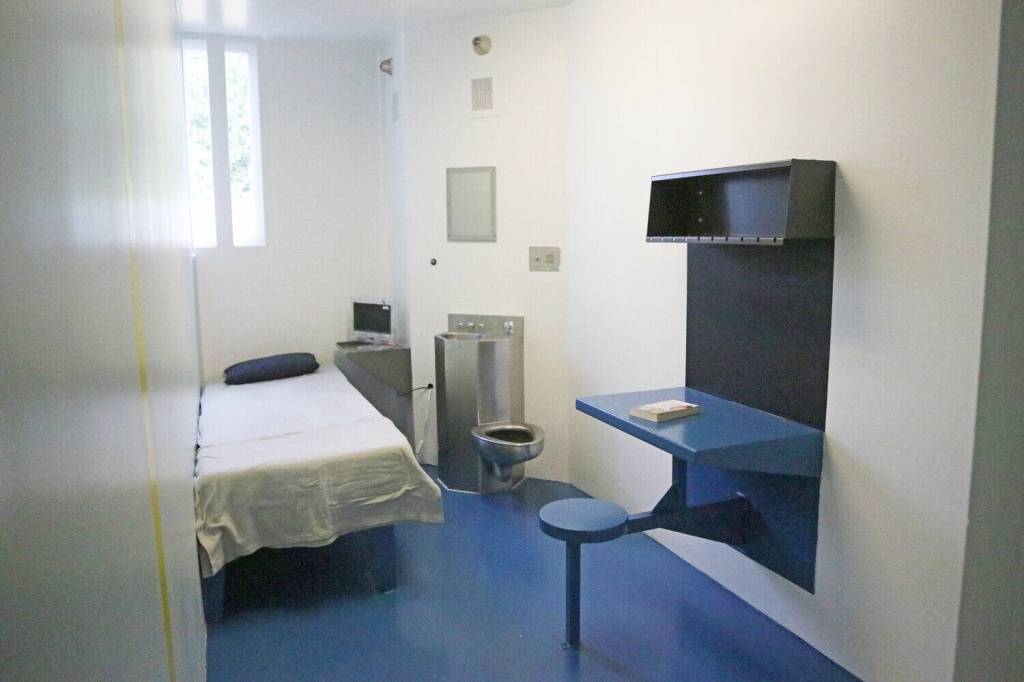
Harbor Heights is different from DCYF’s other juvenile rehabilitation facilities in both layout and structure.
All 48 rooms are single-bed wet cells, offering residents more privacy and independence. Each room is also equipped with a TV, a phone, and an electronic tablet that inmates can use to maintain contact with their families and attorneys.
As far as program structure, Harbor Heights will operate as a six-month, peer-led leadership program, for Green Hill School residents ages 17 to 25 who qualify for medium security status.
The young men will spend their time at Harbor Heights building leadership and therapy skills before returning to Green Hill or another facility, or being released from custody.
Programming will also include automotive training and peer counseling certification, according to DCYF.
“Harbor Heights is going to look different than our other JR facilities, but this is what brought me to Washington,” Rochelle said. “The tools we are giving these young men and the space to put it to practice is what rehabilitation is all about.”
Rochelle has spent the last few weeks meeting with current Green Hill School residents and recruiting applicants for Harbor Heights’ first cohort.
The first group of eight was easy to get, Rochelle said. Others wanted to wait to see how things went with the first group, but Rochelle said that interest in the facility has grown over the last few weeks as word has spread.
“You have to chip away the walls to build relationships, be genuine, and consistently show up for these young people,” Rochelle stated in a DCYF news release. “It’s a balance. You have to be firm, fair, caring, and consistent.”
Rochelle brings 26 years of juvenile rehabilitation experience to Harbor Heights, starting his career as an entry level correctional officer and moving up the ranks before becoming a superintendent during his tenures in Ohio, Louisiana, Arkansas and Texas.
He also brings years of experience mentoring young people and pushing them to greatness as a high school football coach.
“It’s like I have played every position, so I can empathize with my staff because I’ve been in similar shoes,” Rochelle stated. “Much like football, it takes a team to succeed.”
Rochelle says he was drawn to the educational, trade, and work opportunities young people have at DCYF facilities. He also looks forward to building a culture that revolves around safety and allows young people to take on leadership skills, build accountability, and create future paths for success.
“You have to show young people that violence is not the answer,” Rochelle stated. “We want to change their thinking, so they are productive and leave our facilities having built a different future with reasons not to come back.”
After Harbor Heights receives its first cohort of eight on June 9, DCYF will continue adding new cohorts until the first unit of 24 reaches full capacity.
The second unit, identical to the first, is currently being used as a medical bay until a permanent medical trailer is finished on site.
Other aspects of the Harbor Heights facility include an outdoor yard, an indoor recreation and dining area, and a visitors trailer that will also house the counseling and administrative offices.
Harbor Heights is located deep within Stafford Creek Corrections Center, requiring staff and visitors to pass through the DOC facility when using the main entrance, but juvenile residents being transported to and from Harbor Heights will utilize a separate entrance that doesn’t require them to pass through the DOC facility.
Harbor Heights has a total of 48 beds, but maximum working capacity will be set at 46, according to DCYF.
Harbor Heights was initially scheduled to open in March, but was delayed three months due to hiring difficulties.
The facility now has an operating staff of 53, according to DCYF.
Harbor Heights is a first step towards addressing overcrowding at Green Hill, and DCYF staff don’t intend it to be the last.
A probable second step would be establishing a dedicated facility for incarcerated youth with mental and behavioral health needs, Senn said, adding that DCYF is currently working to update its capital facilities plan for the first time since JR to 25, a series of reforms passed in 2018 and 2019 to allow some juveniles to stay in juvenile facilities until they turn 25, went into effect.
Ultimately, Senn said, it will be up to the legislature and the courts to address the root causes of overcrowding at juvenile facilities.
“We take care of the young people who come to us,” Senn said.
Green Hill School has operated above its rated safe capacity for more than a year.
The facility, which would ideally operate with no more than 180 residents, is currently home to upwards of 230. For the last year, rising violence by inmates against fellow residents and staff members, as well as increased drug use and seizures of contraband, have been highlighted as apparent side effects of the overcrowding.
While Green Hill School was a hot topic during the latest state legislative session, lawmakers failed to pass any meaningful reforms to the system this year.