Review: McQueen added far more than charisma to ‘Bullitt’
Published 1:30 am Tuesday, March 3, 2020
By Rick Anderson
For Grays Harbor News Group
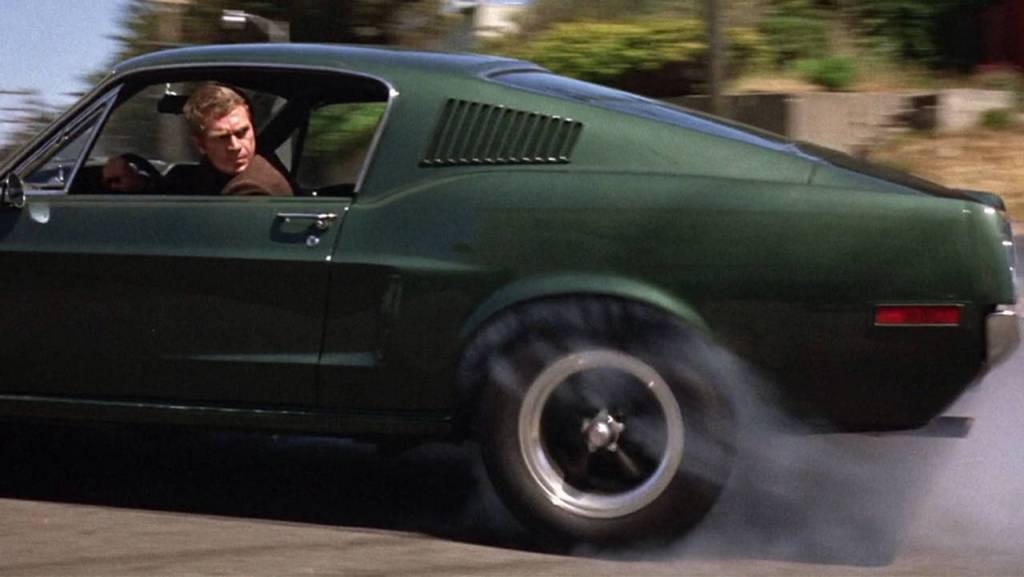
There’s a funny thing about the climactic car chase in “Bullitt.”
It isn’t climactic at all.
The sequence occurs at about the midway point of the 113-minute film and does little to resolve the plot.
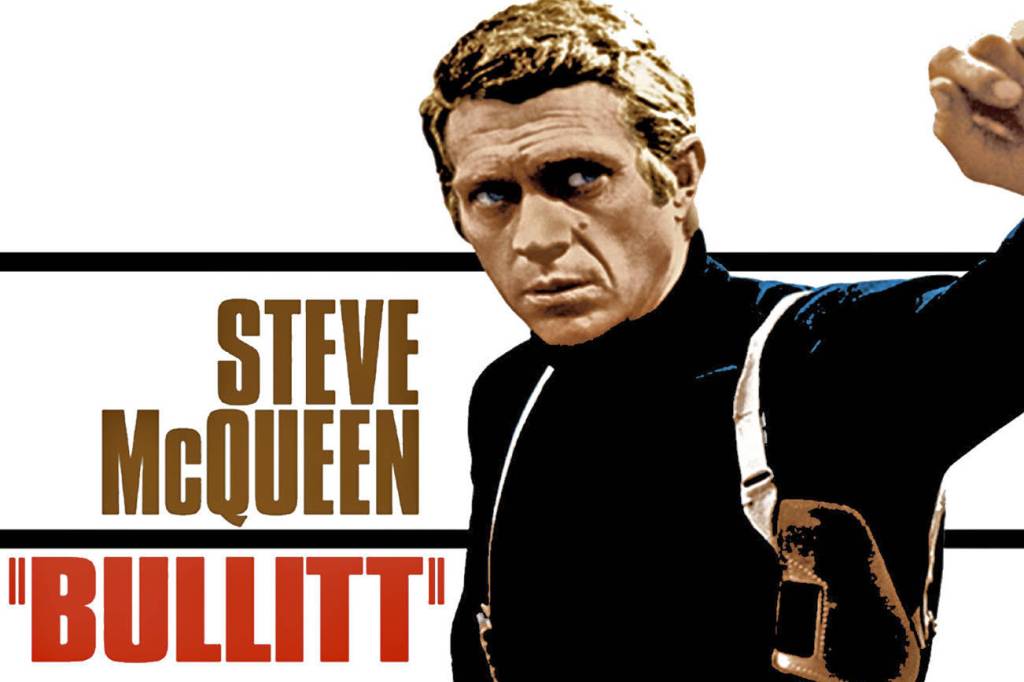
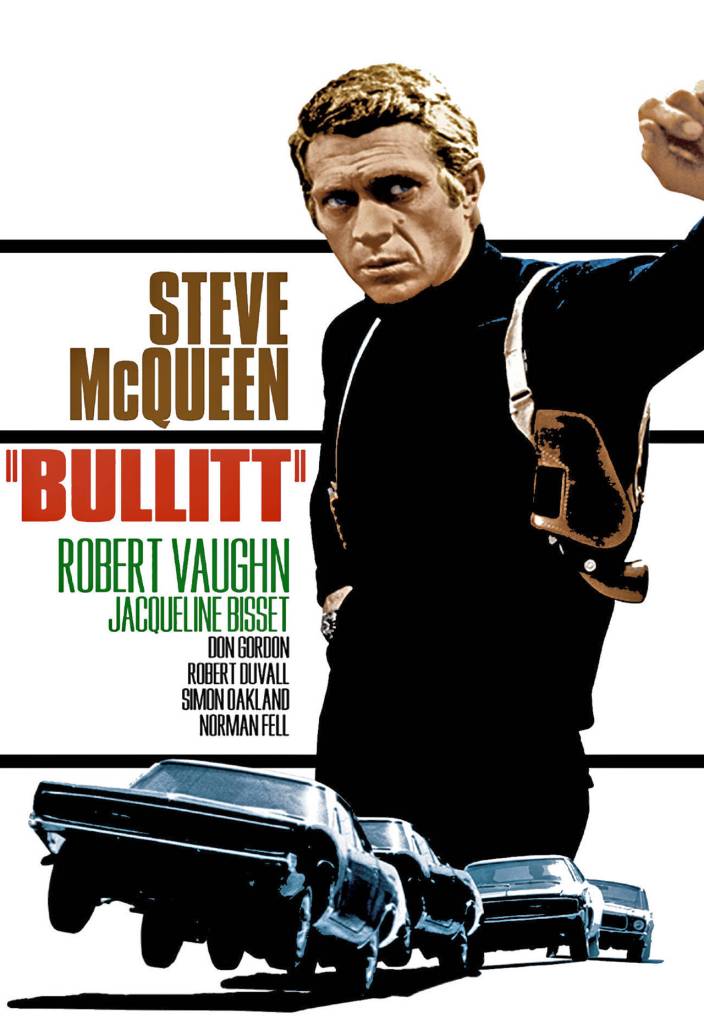
No matter. Although it features a fine performance from an ideally cast Steve McQueen and a clean, uncomplicated story line, the 1968 action drama is still best remembered for its iconic chase scene. Lasting more than 10 minutes and taking the protagonists from the hills of San Francisco to the countryside outside the city, the scene has often been imitated (and parodied). But it remains the gold standard, despite the overabundance of lost hubcaps.
“Bullitt” returns to the big screen Saturday and Sunday at Hoquiam’s 7th Street Theatre — just a few weeks after the Ford Mustang driven by the title character was sold at auction for a record $3.4 million.
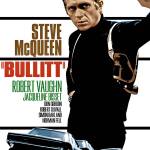
McQueen plays San Francisco police detective Frank Bullitt. He and his partners are assigned to protect a mob informant who is scheduled to testify against his former cohorts at a Senate subcommittee hearing chaired by the oily Sen. Walter Chalmers (Robert Vaughn).
When the witness is killed, Bullitt absorbs most of the blame. It’s up to the detective to unravel assorted double-crosses and solve the crime while keeping the mob and the politically ambitious Chalmers off his back.
McQueen was essentially a one-note actor. But he played that note — a charismatic, principled maverick — as well as anyone in cinematic history.
The role of an icy, unforgiving bureaucrat similarly fit Vaughn like a glove. The cast also includes Jacqueline Bisset as Bullitt’s girlfriend and a pre-stardom Robert Duvall in a small role as a cab driver. Bisset, alas, is so underutilized here that one contemporary critic suggested that the movie might have been better had her character been eliminated entirely.
McQueen brought two things to this film in addition to his star power.
Although he did only part of the driving during the chase scene (a stuntman was recruited for the long shots, reportedly after McQueen crashed into a parked car during rehearsals), his off-screen reputation as a standout motorsports driver helped bring credibility to the scene.
As part of the production team, McQueen also hand-picked Peter Yates to direct his first American film.
Although theater-trained in England, Yates had established his action roots as assistant director of the 1961 classic “The Guns of Navarone.” He also had impressed McQueen with the way he directed the action sequences in an otherwise obscure British movie, “Robbery.”
Yates went on to a distinguished Hollywood career. Even in his Oscar-nominated direction of the gentle 1979 coming-of-age comedy-drama “Breaking Away,” he found time to stage a dynamite road duel between a bicycle and a semi-trailer truck.
The actual climax of “Bullitt” includes another strong action sequence: a pursuit and shootout at the San Francisco airport. Oddly, however, the movie ends with a scene that is very much an anticlimax.
Perhaps the filmmakers figured the audience needed time to unbuckle their seatbelts after an exciting ride.
* * *
“Bullitt” is showing at 7:30 p.m. Saturday and 2 p.m. Sunday at the 7th Street Theatre, 313 Seventh St., Hoquiam. Tickets are $6.