News from the north: Copalis in the 1890s
Published 10:00 pm Friday, March 16, 2018
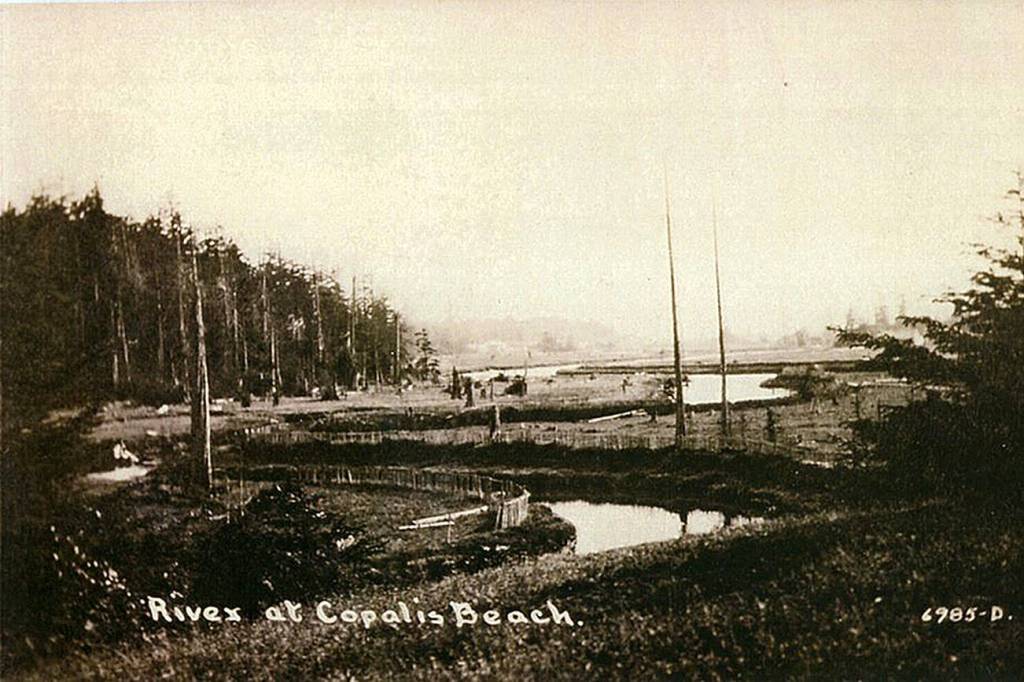
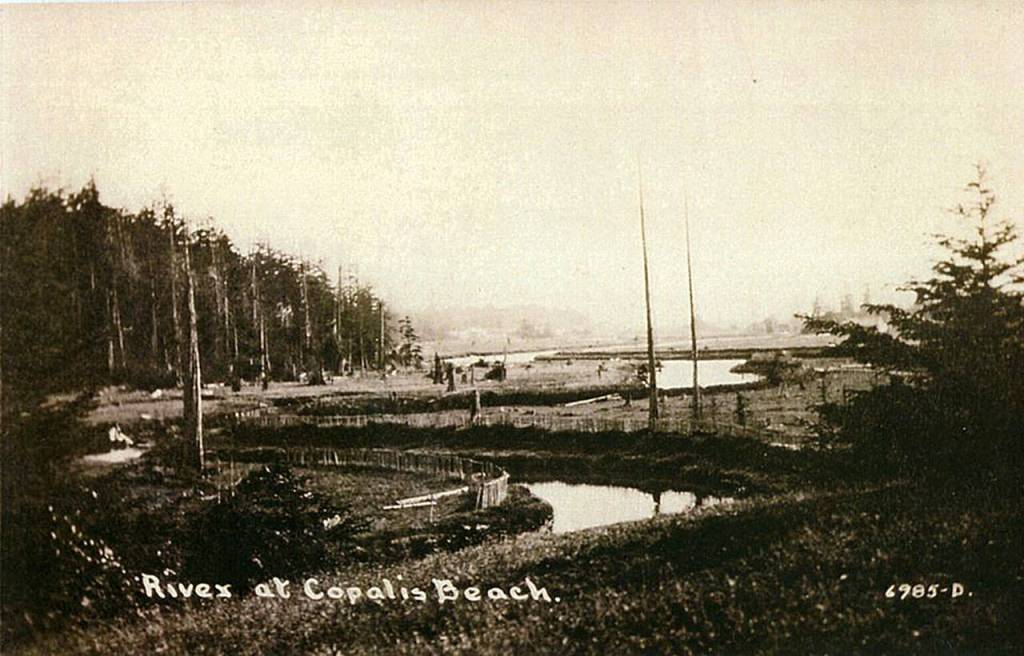
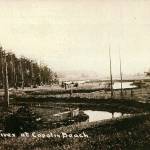
For many generations, the area from Joe Creek to Grays Harbor was populated by the Siwash Copalis tribe. In the 1890s, the first white settlers arrived and with them the newspapers to chronicle the day-to-day goings-on in the area known as the “Home of the Razor Clam.” Here are some of the more interesting tales of Copalis gleaned from the pages of the Aberdeen Herald in the 1890s.
J.L. Stone, of the Copalis, in the western part of the county, was in the city Thursday, and paid the Herald office a pleasant visit. He says the settlers are making permanent houses for themselves, many of them setting out fruit trees that will bear for the market here, but what the settlers want is a road to get their produce out. — Aberdeen Herald, December 10, 1891
Robert Hunter, a rancher living near Copalis has been quite sick recently, and his neighbors have kindly turned out, looked after his stock and done everything possible to lighten his affliction. — Aberdeen Herald, March 10, 1892
Ledford & Carter were given until November 19 to complete the Grays Harbor-Copalis-Humptulips road. — Aberdeen Herald, October 19, 1893
Thomas Humphries, who undertook to clear out the foreman last Thursday, was brought back from Copalis last Friday by the deputy constable, Walt Pebbles. He had a hearing before Judge Palmer, who fined him $10 and costs, amounting to about $19, which he paid. When a man gets an idea that smashing another in the face is right, he needs watching, as he is probably getting “wheels in his head.” — Aberdeen Herald, August 16, 1894
Old “Chepalis Jim,” the one-eyed Siwash of uncertain age, got tired of single blessedness and bought himself a clutchman. The mud splashers had a treat at the serenade in the way of cake, wine and other delicacies. — Aberdeen Herald, December 20, 1894
The youngest son of Mr. Straws picked up a cub sea otter a few days ago. It is only worth a few dollars, but the lad is as proud as if it was worth a thousand. — Aberdeen Herald, February 7, 1895
A dog following Grigsbie’s wagon was attacked by a cougar a few days since and devoured in short order. Sherman Hoover and Peter Hunley, two noted hunters, with a good pack of dogs started out to capture the cougar, but only succeeded in capturing a very small rabbit and one little sorry chipmunk. — Aberdeen Herald, June 13, 1895
Ben Grigsbie had an exciting and not very profitable trip up the beach a week ago. After passing Point Granville the beach gets very narrow and of late the tide has washed out places to a slippery condition. While crossing one of these places one of his horses slipped and fell; the other one, being a fractious animal, began to run, dragging the fallen horse and nearly upsetting the wagon, when a breaker struck them and carried the wagon-box off the trucks and out to sea, taking with it the mail sack and Ben’s overcoat, containing $30 in money, and an Indian woman and two children. The box only went a short distance, when another breaker sent it back to shore. Just before it struck the beach and went to pieces the Indian woman, with the presence of mind of a warrior, jumped with the two children and got out safe. Ben, though he hardly understands how, escaped with only a good wetting. — Aberdeen Herald, November 14, 1895
The mail now leaves Copalis for Granville Mondays, Wednesdays and Fridays at such hours as the tide will permit, returning same days. Time not to exceed 7 2/3 hours each way. — Aberdeen Herald, January 16, 1896
From the amount of potatoes some of the bachelors here are planting this spring one would naturally suspect that some of them intended having help to eat them next winter. — Aberdeen Herald, April 30, 1896
Two young men went into the house of a rancher on Joe Creek and took there from some blankets, silver spoons, and dishes. But partnership in wrongdoing is always somewhat perilous, and in this case proved to be quite so, for they fell out afterwards, and each told on the other and both have got an undesirable amount of notoriety. — Aberdeen Herald, August 6, 1896
Joe Creek is noted far and wide for its huckleberries of large size and fine flavor. But this year it eclipses all former years since Adam was a boy in the abundance of the crop and the size of the berries. We can have huckleberry pie three times a day. The only drawback is we have to go a little slow on the sugar since the tariff bill passed and sugar rose to fourteen pounds to the dollar instead of twenty. — Aberdeen Herald, September 2, 1897
E.W. Joyce is assisting Road Supervisor Hunter to mend the ways of the denizens of Copalis. We need nothing so much up here as better roads and more religion. — Aberdeen Herald, September 2, 1897
It is reported the body of Captain Crosby, drowned off his vessel, a U.S. survey steamer, on this beach some time ago, has become disinterred by the action of the tide. His body was found by Fred Polsfoot, then carrying the mail, and was cared for by him and an Indian whom Polsfoot hired to assist him. Word was sent to Captain Crosby’s wife and the officers of the vessel which was anchored in Gray’s Harbor. They sent two sailors to bury the body but refused to the pay the reward they had offered or any remuneration whatever to Polsfoot for his trouble and expense. The sailors buried the body in the sand near the entrance of a small stream into the ocean. This stream has changed its bed and now enters the beach over the grave. That wife must have loved her gallant husband with a love unquenchable. —
Aberdeen Herald, June 23, 1898
Roy Vataja is the son of Finnish immigrants and will be visiting the wonderful Museum of the North Beach in Moclips and then the 12th annual Razor Clam Festival at the Ocean Shores Convention Center this weekend. Come on out and enjoy some history and chowder!