Don’t miss summer’s bounty of recreation opportunities
Published 1:30 am Tuesday, June 30, 2026
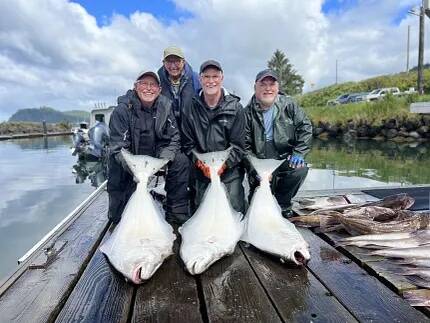
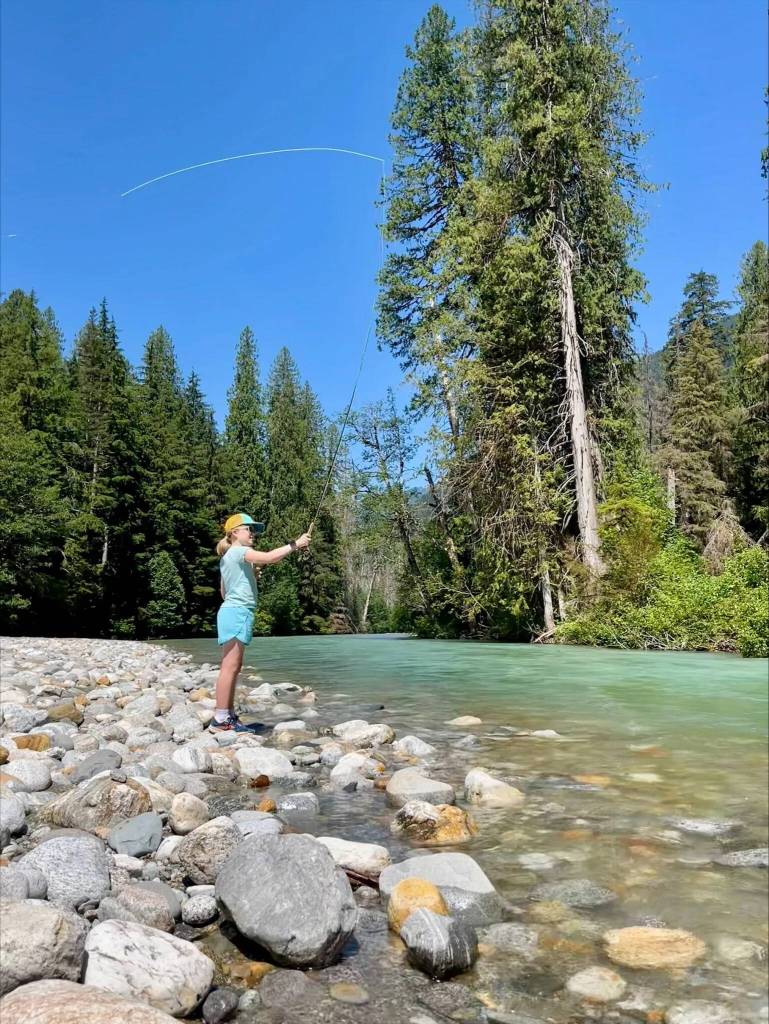
Whether you’re fishing saltwater or fresh, dropping pots for Dungeness crab, getting ready for upcoming hunting seasons, birding, boating, hiking, or camping, the options are virtually limitless for outdoor recreation for everyone during Washington’s summer.
Rivers and streams open for fishing
Many rivers and streams across Washington are now open to fishing for game fish such as trout, steelhead, char, whitefish, bass, perch, and other species. Certain areas are also open for hatchery spring Chinook salmon, and some sockeye fisheries open in June.
The Snohomish River and its tributaries including the Skykomish are closed this year to protect wild Chinook salmon; learn more in our blog post.
Anglers are reminded that sockeye and summer Chinook fisheries throughout the Columbia River have been closed or reduced due to lower-than-expected returns.
Recreational crabbing to open July 2 in many Puget Sound marine areas
Summer crab fishing seasons will get underway July 2 in several Puget Sound marine areas. Other marine areas will open later in July or in mid-August.
“Crabbers will find that the 2026 summer seasons are similar to those in 2025,” said Don Velasquez, a WDFW crustacean biologist.
“Crabbing should continue to be strong in northern marine areas such as Admiralty Inlet, Deception Pass, Port Susan, and around the San Juan Islands,” said Velasquez. “However, increasing effort and lower Dungeness crab abundance observed during recent surveys by WDFW and tribal biologists require us to limit crabbing to two days per week in marine areas around Seattle and Tacoma in central and south-central Puget Sound.”
The summer crabbing season runs through Labor Day in many areas of Puget Sound and the Strait of Juan de Fuca. Summer crab seasons are typically closed on Tuesdays and Wednesdays in the Puget Sound management area, though some marine areas may have additional closure days or close early to conserve crab populations.
Crabbing on the Washington coast, Grays Harbor, Willapa Bay and the Columbia River estuary is generally open year round.
Halibut, lingcod, and bottomfish opportunities continue
Angling for bottomfish and halibut this year? Seasons and regulations in Washington’s waters are on WDFW’s webpage, including weekly updates. In Marine Areas 1-3 and Marine Area 4 west of the Bonilla-Tatoosh Line, the lingcod season runs through Oct. 17, with a daily bag limit of two lingcod per angler and no minimum size limit. East of Bonilla-Tatoosh in Marine Area 4, the lingcod season also runs through Oct. 17 while the bottomfish season is open year-round. Lingcod fishing in marine areas 5-11 closed June 15.
The halibut fishery is now closed but if quota remains additional fishing may be allowed in August and September. Anglers should check the WDFW website for specifics.
New hunters: Get ready for fall by completing Hunter Education
Per Washington state law, anyone born after Jan. 1, 1972 must complete a Hunter Education course before buying a hunting license. If you hope to hunt this fall, now is the time to get your Hunter Ed requirement done. You can take either a traditional classroom or hybrid course, and classes are available in most communities around the state. They fill up fast though, so don’t wait until the last minute to sign up.
Report European green crabs
European green crabs are a damaging invasive species that pose a threat to Washington’s environment, native species, economy, and recreational opportunities. These shore crabs prefer warmer waters protected from waves and current, such as estuaries, sloughs, and shallow bays. Summer is when we often see increases in green crab numbers or detections in new areas. If you find a suspected European green crab or its shell (also known as a molt) in Washington, take photos and report it as soon as possible using the form at the link below or by emailing ais@dfw.wa.gov.