Grays Harbor Opera Workshop presents a night of opera at the Bishop Center
Published 1:30 am Wednesday, May 20, 2026
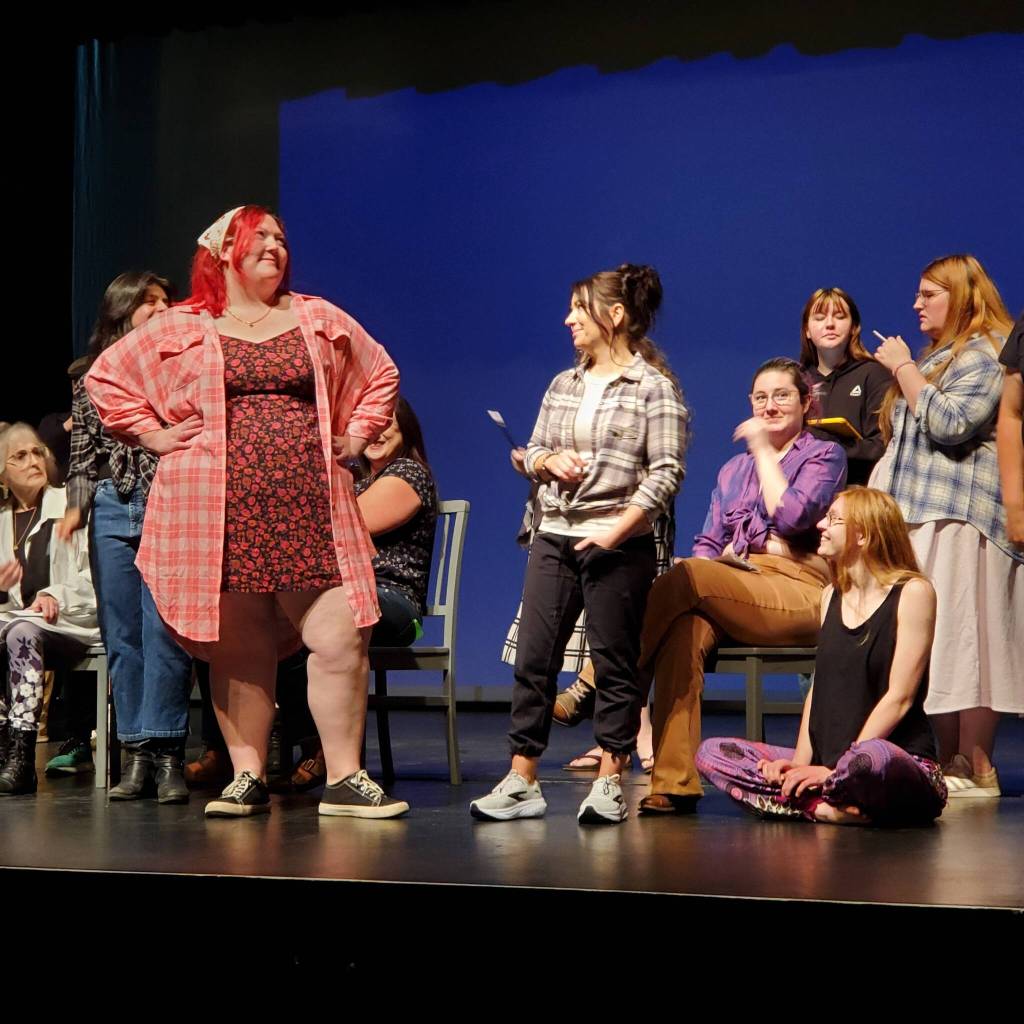
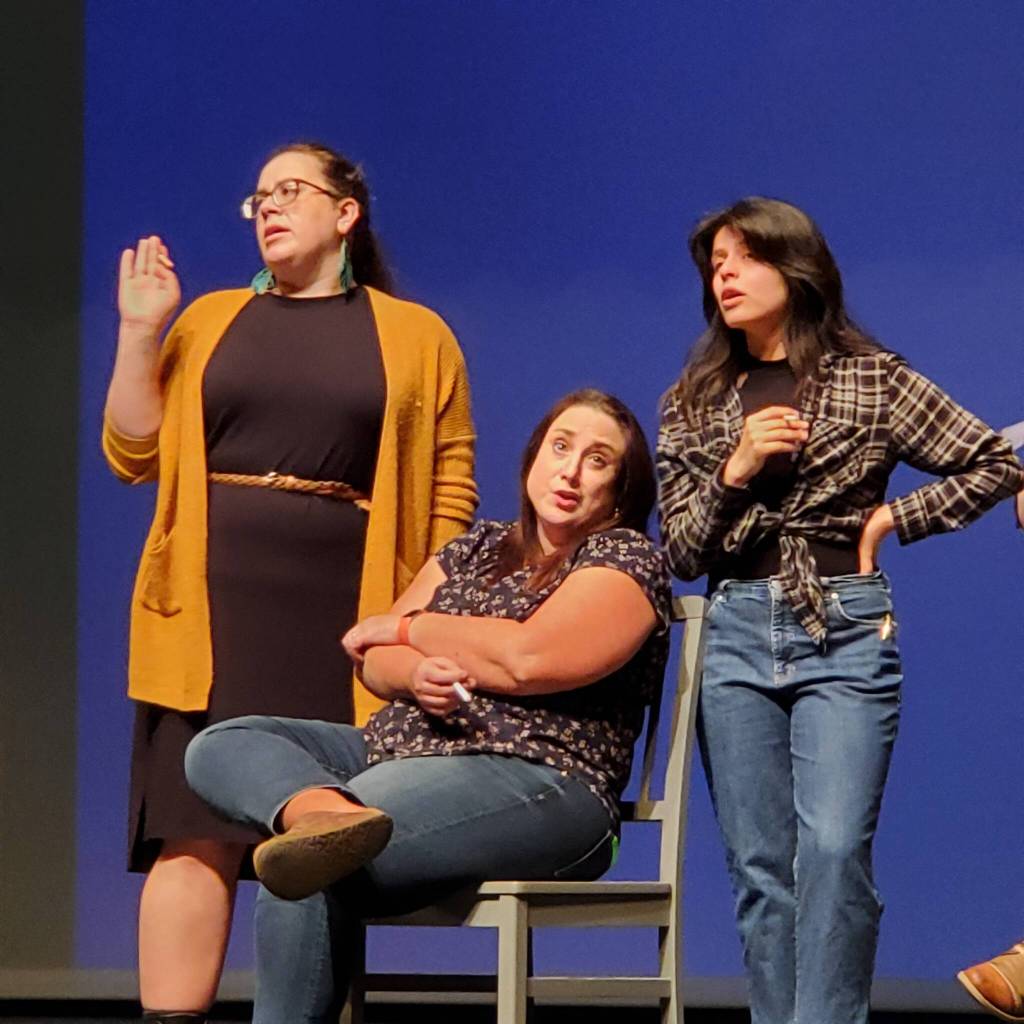
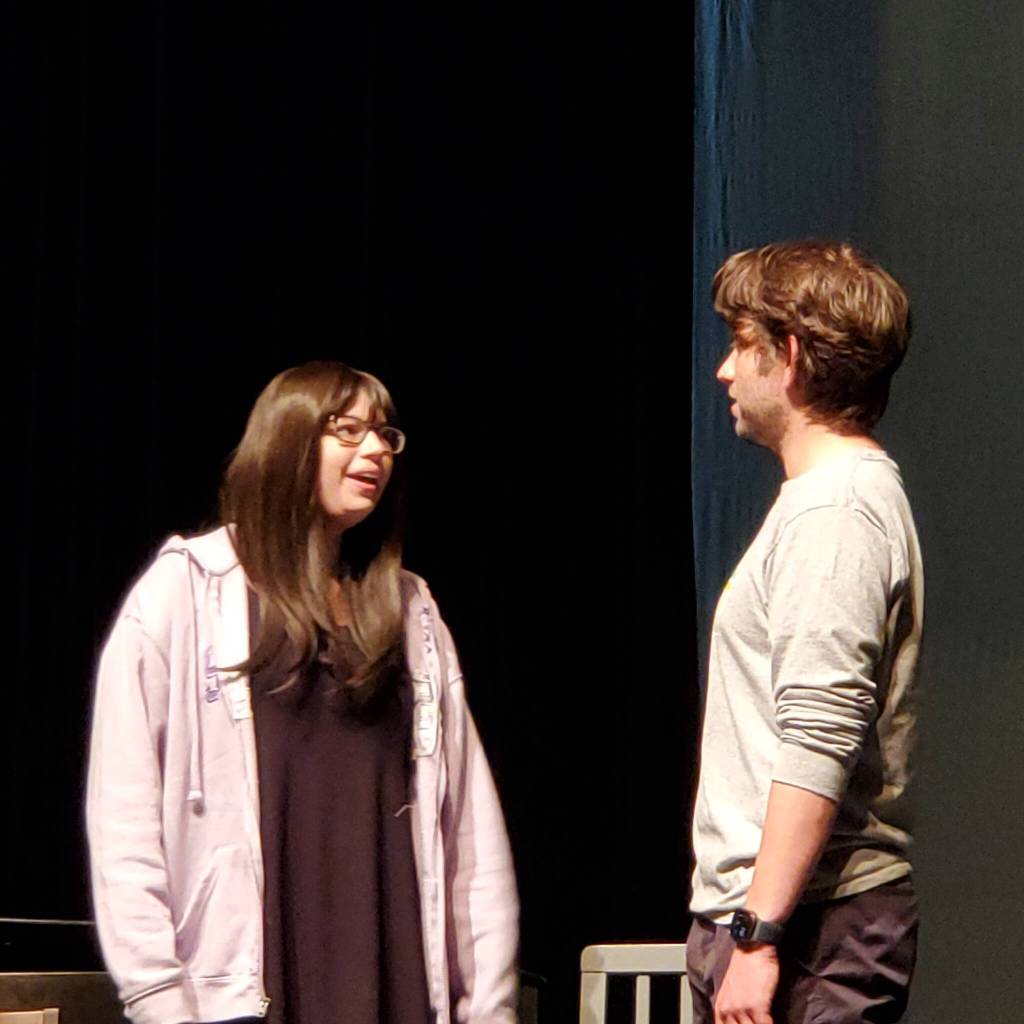
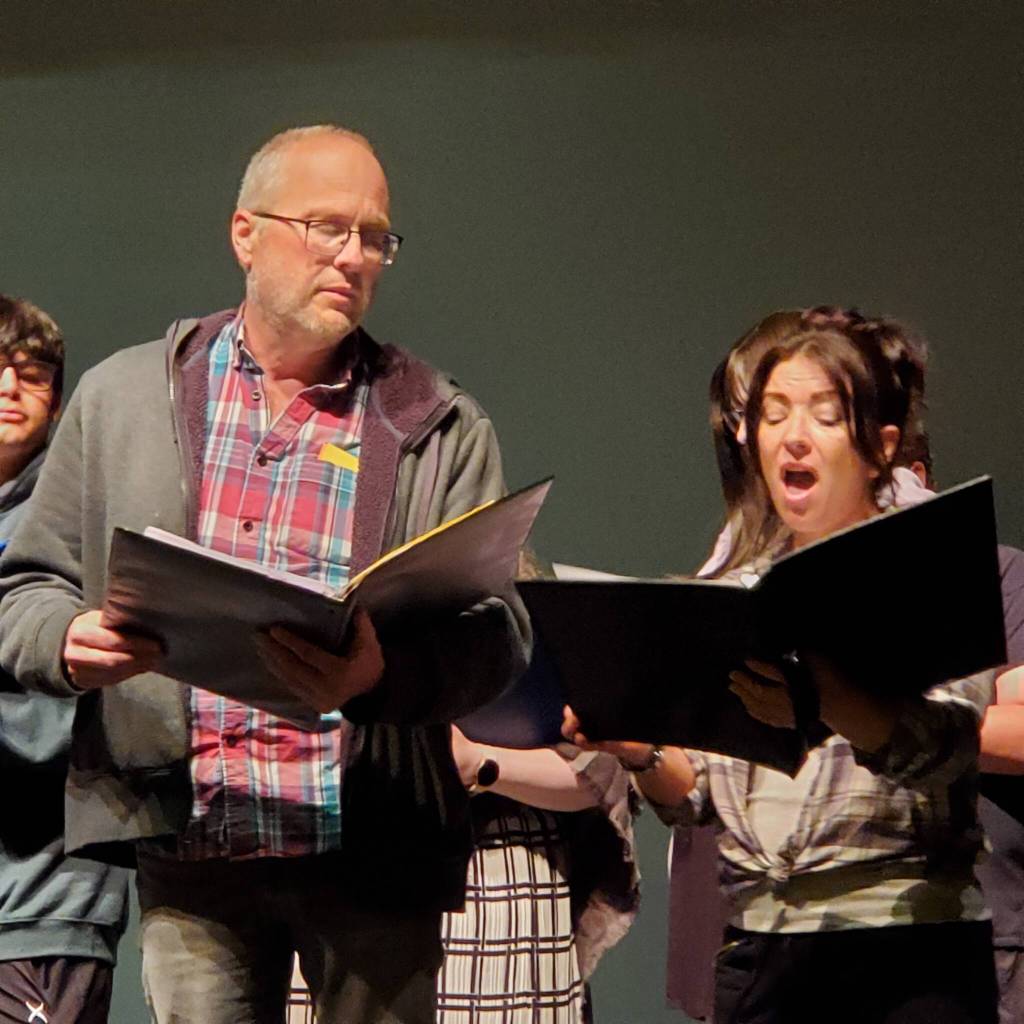
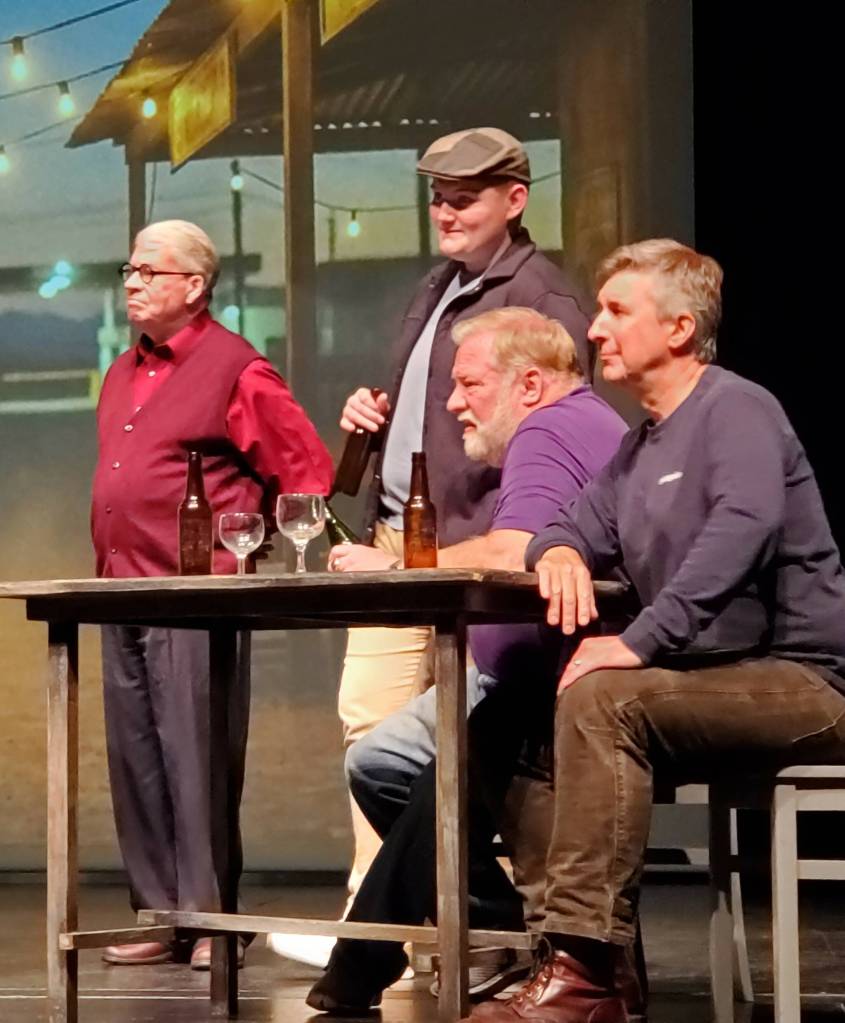
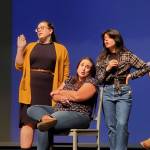
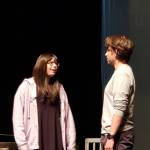
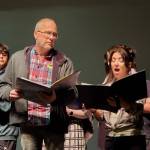
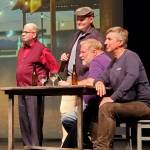
On Saturday, May 23, the Grays Harbor Opera Workshop will present highlights from Carmen, along with selections from Les contes d’Hoffmann by Jacques Offenbach, The Mikado by W. S. Gilbert and Andrew Sullivan, Cosi fan tutte by Wolfgang Amadeaus Mozart and Candide by Leonard Bernstein. Kira Miller will provide piano accompaniment.
If you haven’t watched Les contes d’Hoffmann or Carmen you’ve likely heard the melodies, especially if you’ve seen the Gilligan’s Island “The Producer” episode where the castaways stage a musical production of Hamlet. And if you are worried about being unable to understand what is going on, the lyrics in English will be projected onto a screen.
After practicing in rehearsal space for the past several weeks, the Grays Harbor Opera Workshop moved into the Bishop Center this week for rehearsals in preparation for Saturday’s show. Co-director Ian Dorsch warned that there would be starts and stops, and refining of coming on and off but promised he would have the performers out by 9:30 p.m. Though the starts and stops lengthened the run-through time, this behind-the-scenes work will make the final performance look seamless. Because there is no shortcut to a seamless performance, nor is there an algorithm that creates the final performance – only human decision making driven by experience and on-the-fly creativity.
Before rehearsal, The Daily World chatted with several cast members to discuss how they learned to sing in French, the lasting power of Bizet’s Carmen and how performing these songs challenges them vocally.
What follows is the conversation edited for length and clarity.
The Daily World: Ian, a number of the songs being performed aren’t in English. Did you consider singing a translated version?
Ian Dorsch: There are translations available, but we wanted to try it this way. We have never before tried to do a good chunk of an opera live that wasn’t originally written in English in the original language. We’re going to have projected subtitles on the back screen so the audience, hopefully, can tell what we’re singing about. So yeah, it’ll be an adventure for us.
Todd Stark: Singing in a foreign language that I don’t know always is an interesting challenge. Ian gave us the enunciation more for understanding how to say [the words] than really understanding what it is, but you can understand the emotional content that’s going on.
TDW: Of all the operas that you could choose to perform, how did you decide upon Carmen?
ID: Joy [Dorsch, co-director] and I had been wanting to do some excerpts from Carmen for a long time. We just felt it was a cool fit for some of the voices that we had in here. There’s really big, beautiful chorus writing. Just an incredible density of beautiful melodies in the score — it’s almost overwhelming. It’s really an incredible piece of music to study and to sing.
TS: The listener will find in the accompaniment things that they’ve heard in other things. A lot of really heavy emotional stuff that other pieces of music seem to have used to convey what’s coming up.
ID: Carmen is part of the popular culture in a way that a lot of other operas aren’t, so there’s stuff that’s recognizable. It’s one of the most performed operas of all time. There’s recognizable melodies. We thought it would be a fun challenge.
The opera’s three and a half hours, which we cannot tackle that because it’s too much. But for the singers who we have and the time that we had to put this together, we picked out some of our faves from other shows and an hour of Carmen. And that feels like about the right balance.
TS: I went to YouTube and watched Carmen maybe five times, different iterations of it. Ian had mentioned Carmen felt like the beginnings of where opera goes into a much more theatrical kind of production. You couldn’t do Phantom of the Opera without the pieces.
TDW: When was Carmen produced compared to Patience, which you mentioned in our earlier interview was also an early precursor to musicals?
ID: It’s around the same time. 1875 was the premiere, and Patience was 1881 so similar time frame, a lot of cross-pollination.
Kyle Sholinder: Gilbert and Sullivan were a really big part of the operetta movement, which at the time was made to be satirical and a lighter version. It’s like a preference to musicals in a lot of ways. The operetta is a bridge where they started to incorporate some more spoken language. It was more a part of American and British operettas than others. German, French, et cetera, those kind of stuck to their roots quite a while after.
ID: And Carmen was the culmination of a guy’s life’s work. It’s actually kind of a tragic story because Bizet, the composer, died a fairly young man, I think in his 30s. The premiere of Carmen was not well received initially, and three months after the premiere, he died of a heart attack. So he died believing that this culmination of his life’s work was a failure.
Not too long after that, Carmen found success outside of France, and it became an international hit before it came back to France and sort of found its foothold. It’s really a work of genius. The expression of the drama, and it really is an awesome work.
TS: I’m always amazed at how emotive the music he wrote, how exactly what he wants those scenes to convey.
ID: It’s accessible and it’s immediate, but it’s also incredibly deep, and it’s so difficult to do that with music. A lot of opera is not accessible, or if it’s accessible, it’s not that deep.
TDW: When you say deep, is that in terms of the themes?
ID: Yes, themes or the density of the music and the orchestration. One of the things that Carmen was dinged for when it premiered is that the melodies are so direct and immediate and that wasn’t fashionable at the time when a lot of the French music was more impressionistic and evocative without having super singable melodies.
TDW: So it would be considered popular music?
ID: What the critics disliked about it at the time was making it accessible more to the general public, although I’m not sure if that was a goal of Bizet’s.
TS: When the audience hears “Habanera,” they’re going to immediately go, ‘Oh, I know that song’ from the first three measurements.
TDW: What was the audition process?
ID: We had some excerpts that people could learn, but we also just encouraged people to come in with something that they liked, that they have prepared. Then we looked at who auditioned and how we could deploy them in the material. We tried to give a lot of different people opportunities to sing.
Stan Sidor: There is a phenomenal amount of talent on the Harbor. In terms of singing and acting, musical instrumentation. just about anything you need.
KS: For most of the musical and opera auditions I’ve done, you bring in something that shows off your voice. It’s not necessarily something you’re intending to sing at the thing.
TS: This community has the ability to involve you in different parts of the arts. To be able to come and actually see opera at a community level is just a wonderful opportunity. In fact, you can come and dedicate yourself to be able to perform it as well.
TDW: How do these selections challenge you vocally?
KS: The memorization of the French is a big one because it’s a very different language than English with a lot of very different rules that make it hard to follow, for me at least. Also, Carmen is known to be for what you would usually call very big voices — voices with a lot of projections that can go over very large orchestras with lots of instruments.
I said to Ian when they announced Carmen, this is a cool opportunity to do a role no one will ever cast me in because I’m not the kind of tenor who would usually sing this material. And most of our voices are not the type of voices that would usually get to sing this material.
So learning to navigate something that is for such heavy voices, while not really necessarily having those all ourselves, has definitely been a unique challenge.
TS: For me to be able to do what I do and try to use the best technique that I personally can, that’s a wonderful opportunity for something like this. Carmen is opera — Carmen is those five letters.
TDW: Megan, have you participated in the Opera workshop before?
Megan West: Yes, I’ve been doing it for about three years now. I was actually in opera workshop when they first started.
TDW: What do you like about the challenge of performing opera versus other types of plays?
MW: I love having to be in the right placement in your body because opera is such a full body workout. Then also taking that and interacting with people on stage and trying to make sure everything is lining up is the most challenging.
But it’s also the most fun because you get to see everybody in the element and that they’re working just as hard as you are. And then when it all comes together, we did something really, really cool.
TDW: What was involved to perform the role of Carmen?
MW: It’s been a lot of memorizing in French. It’s probably one of the hardest things musically I’ve ever done, so it’s been a really fun challenge.
TDW: Did you audition for the role of Carmen?
MW: I did. The role is really fun and sassy, and I’ve always loved the music from Carmen. It’s so dancey and it flows, and she’s such a fun, free spirit.
TDW: What’s it like performing with a cast that has a wide diversity of ages?
MW: It’s really fun. You get to see people, especially when you’re in it for a while, grow and mature, and see their skills come up. And then you see them get a role that they really want, yeah, it’s really cool.
And then you see people who just love to be there, and they’re not in it for any big role. They just love to be part of something in the community, and I think that’s really important too.
Highlights from Carmen will only be performed on Saturday, May 23 at 7:30 p.m. at the Bishop Center for Performing Arts, 1620 Edward P Smith Dr., Aberdeen. Tickets are available at the door or online at https://www.ghc.edu/bishop.