The art of quilt judging
Published 1:30 am Friday, July 31, 2026
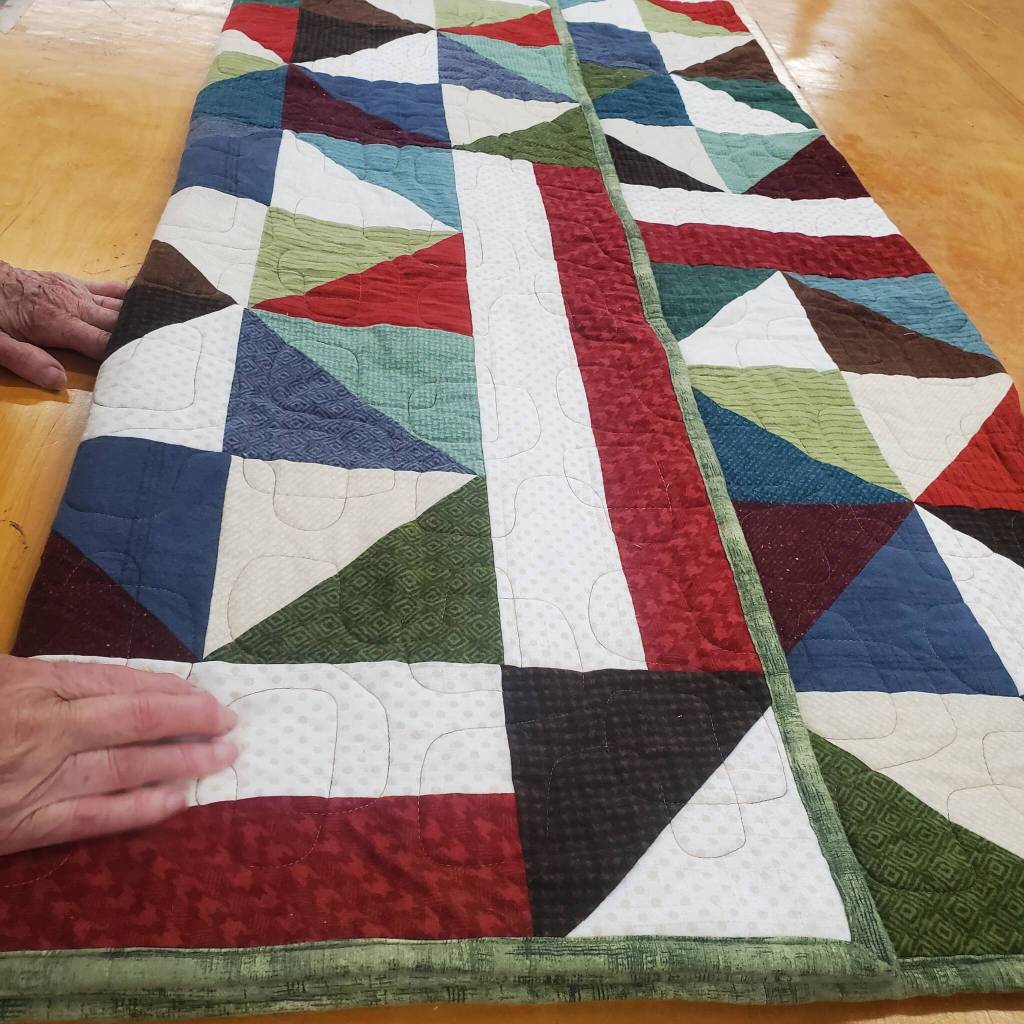
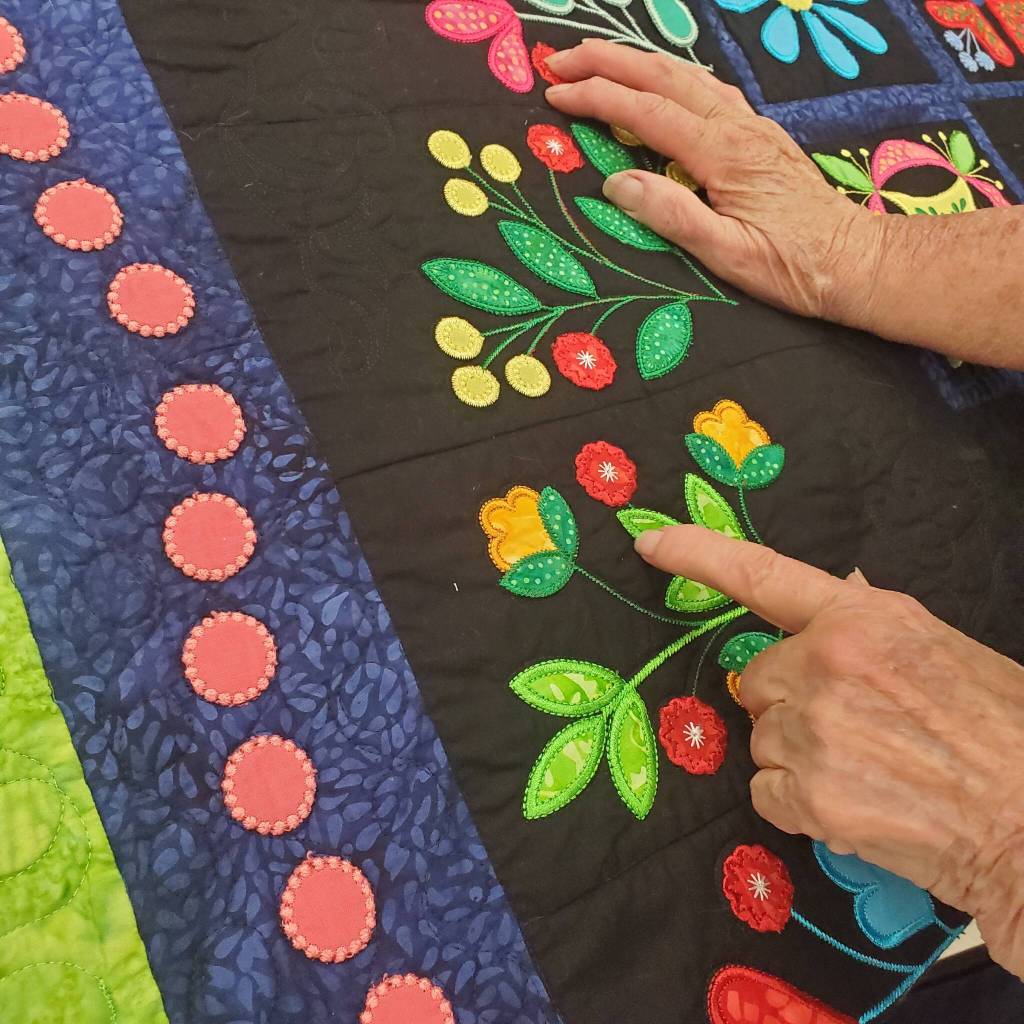
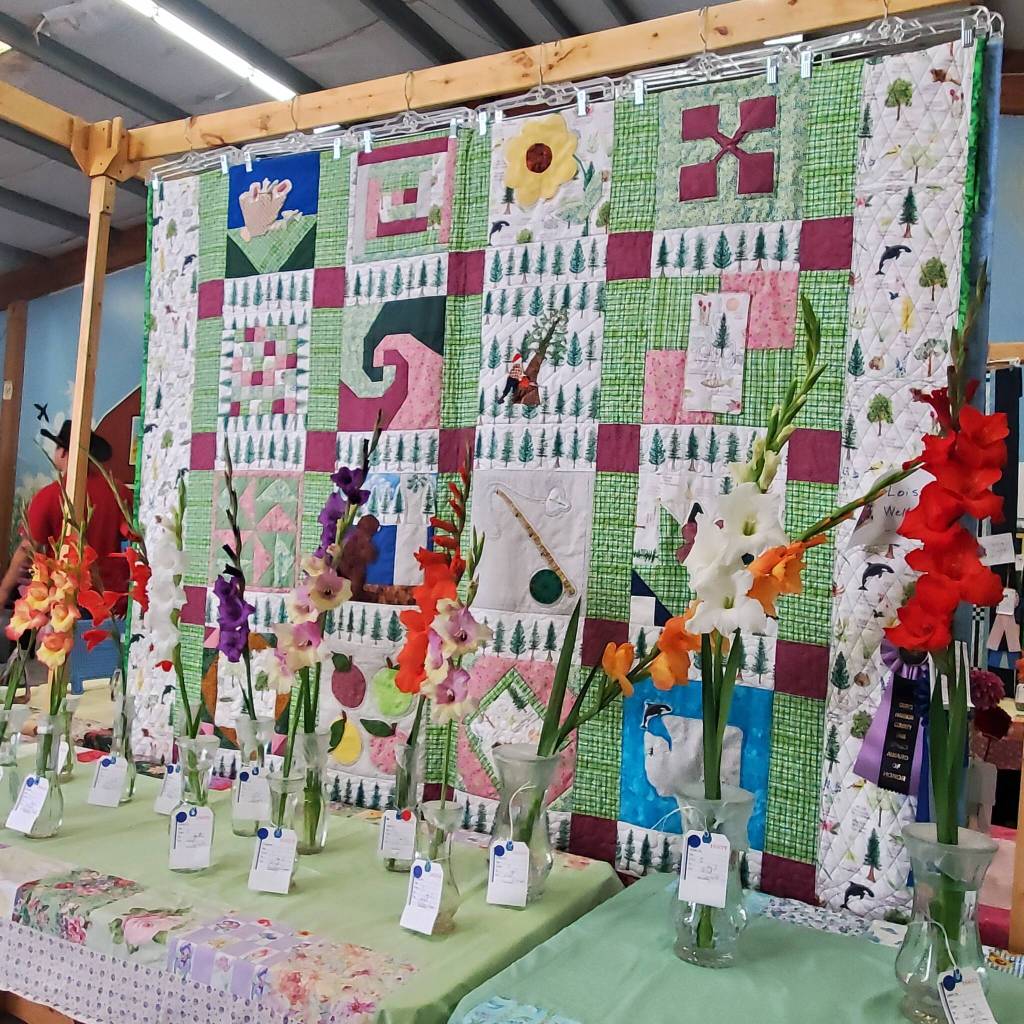
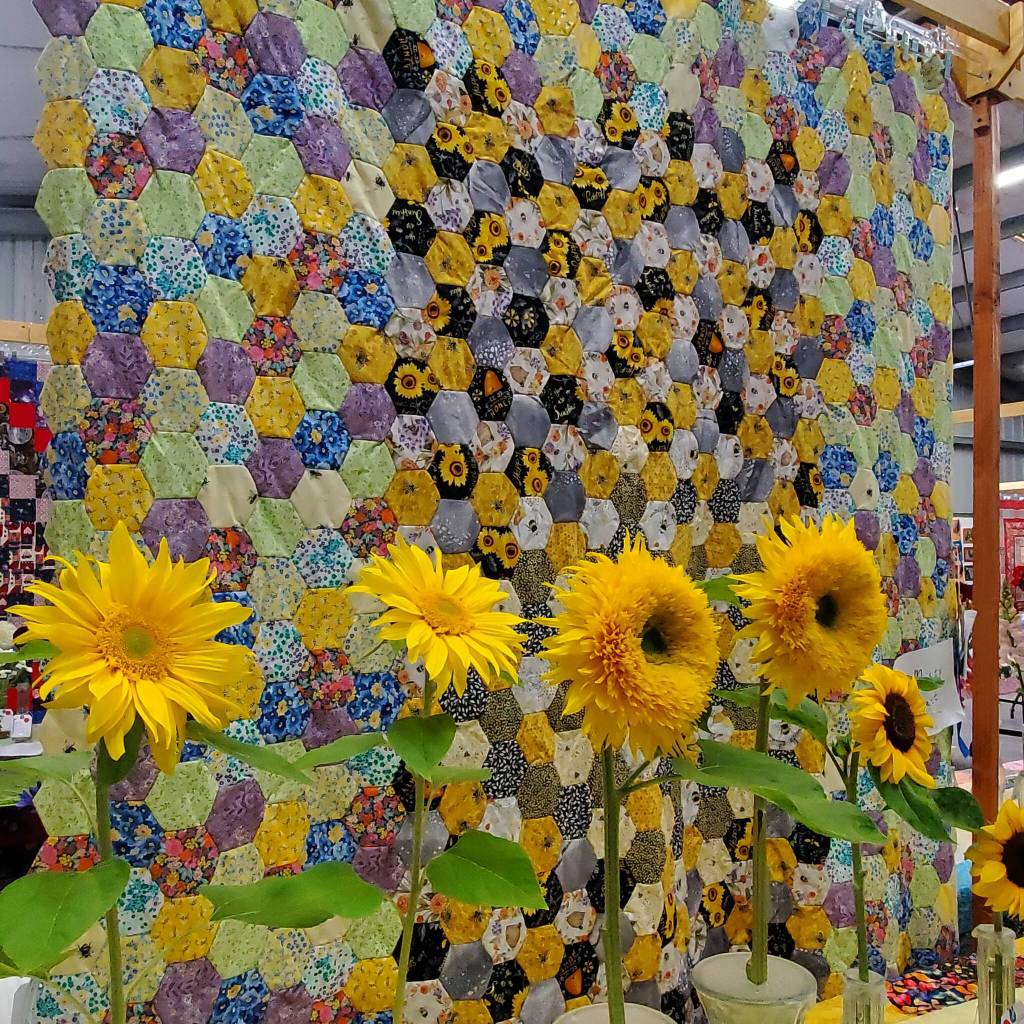
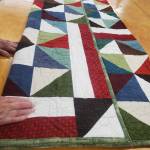
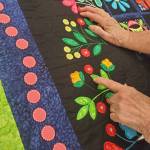
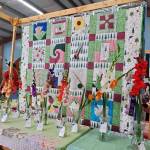
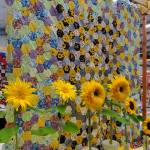
Among the fair entries on display in the pavilion annex are the quilts. Each hangs from an overhead rack and is thoughtfully paired with flower entries of a complementary color scheme. Fairgoers are advised to not touch the quilts, but for the judges of Department K Quilting department, that’s part of the job description.
Laying the quilt out on the table and smoothing it flat, the judges note the feel of the fabric. Between their thumb and index finger, they feel the binding along the edge of the quilt.
“We like the bindings full because it wears better,” a judge said. “It doesn’t wear out as fast if it’s full.”
With the quilt laid out, they scan along the edge, noting if the edge is straight its entire length or if there is the ever so slight curve.
There are divisions, based upon size and pattern, for every combination in which a quilt can be made, whether hand pieced and hand quilted, hand pieced and machine quilted, machine pieced and hand quilted, and machine pieced and machine quilted. There is also a division for group quilts and wall hangings. And there are divisions for free motion quilting and pieced by the exhibitor and quilted by someone else. A reason for the divisions between hand sewn and machine sewn is because assessing the quilting technique is different.
“There are few people who still do the handwork, so we don’t get very many [submissions], but in the past we’ve had a couple,” said Margaret Truttman, superintendent for Department K Quilting.
Of these hand pieced entries, you could tell, Truttman said, and one exhibitor comes readily to mind.
“She was so consistent,” Truttman said. “She’d done it so long and the stitching and everything was just explicit because of that,”
For over 20 years, Truttman has volunteered in this department. Mary Hanson, who has submitted quilt entries and is a volunteer with the 4-H program, has helped for at least 15 years.
The week of the fair, judging began on Monday morning around 9 a.m.; entries were turned in on Sunday. Of the number of entries that are submitted, “It was pretty steady, I would say, up through COVID and then kind of slacked it off, but it’s picked up again,” Truttman said.
Quilts are judged on six categories: visual statement, pattern use and design, color, construction, quilting/ties and binding or edge.
When it comes to the colors, “sometimes it can be real eye-catching and other times it’s more subdued, so [the judges] have to figure that out,” said Truttman.
The type of submissions has also changed over the years.
“We’re getting more of those panel quilts where you can just see a big [image] that they quilt around,” said Lucy Vest, the assistant superintendent of Department K. “That’s called a panel quilt because it’s all one unit.”
Once a quilt entry is laid out before them, the judges assess the construction techniques at both the micro and macro level. They assess the patterns of the quilting — the stitching that joins the top and bottom pieces of the quilt together. For the larger quilt entries, the quilting is usually done on a long arm quilting machine.
“It’s just an oversized sewing machine and it’s on a rail so it moves around and it’s kind of like an etch-a-sketch, so you can do circles and straight lines,” Truttman said.
Judges notice the thread and how it complements the fabric; several quilters used variegated thread, which changes color along its length. But they also look beyond the thread color. Were there tension issues because the thread doesn’t lay flat? Are there tags still hanging off?
For the pieced quilts, which is the piecing of small pieces of fabric that are sewn together, the judges pick out the patterns.
“There’s flying geese and there’s log cabins,” said a judge. Another quilt has half square triangles.
Do the points and corners meet precisely? For one quilt, a judge observed, “this should have met up better, but it is consistent.”
Fabric used in one quilt is identified as hand dyed.
Turning over the edge reveals the quilt’s backside, which isn’t seen when on display, and if the fabric complements the colors selected on the front, that attention to detail is called out.
“What a lovely back,” to which another judge seconded, “I like the back. That’s nice.”
Another quilt earns praise for the combination of hand and machine stitching.
When assigning the scores of Excellent, Good and Fair, they love the colors and the pattern design but the pattern points — “It’s about the point,” a judge said. “And its points don’t always meet.”
All through the judging process, everyone is mindful of the work involved, and each quilt is judged individually.
“Any of us could look at a quilt and we will see different things,” Vest said. “Judges see different things about your quilt.”
During the judging, a judge commented, “Even if we do find some small problems with [a quilt], it’s still a lot of work and it’s gorgeous.”
As they assign scores for another quilt, a judge asked, “Overall quilting?”
“Wonderful,” the judge replied.
It earned a blue ribbon.
But when determining best overall, that’s a “tough, tough choice.”