Connecting Montesano residents to their city forest
Published 1:30 am Wednesday, July 15, 2026
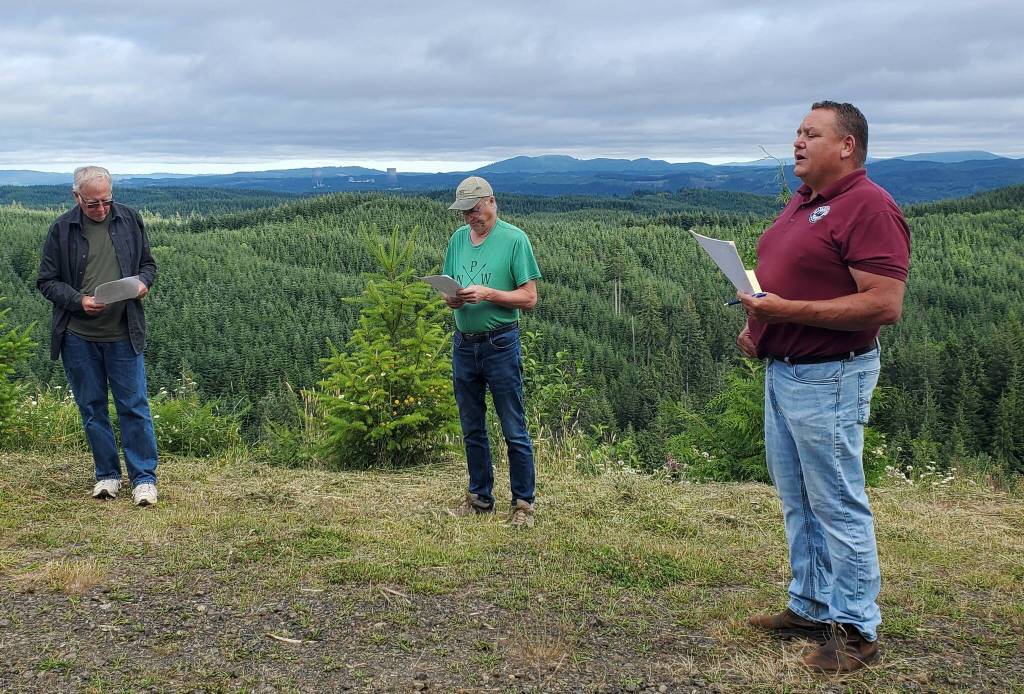

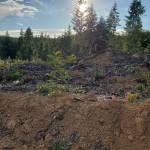
On Tuesday, July 7, City Forester John Bull led community members on what has become an annual tradition in the summer, a guided tour of the Montesano city forest.
Many of the attendees were from Montesano, with some coming from Hoquiam and Oakville. Although the focus of the city tour was on management in Montesano’s city forest, Bull did discuss management activities happening on Aberdeen’s and Hoquiam’s city forests, which he also managed.
One of the scenic overlooks in the city forest was the first stop of the tour, at which Bull provided a history of the city forest and an overview of management objectives.
“Our traditional protocol is about two and a half million board feet [annually]. That brings in about $1 million a year for the city,” Bull said. “Some years we cut less and we get a little less, some years we cut more, but we’re on that sustainability. I’m under the three R rules. We produce for three things: We produce for revenue, we produce for recreation, and we produce for resource protection, so that’s my mandate from the mayor and the city.”
In 1931, the city purchased approximately 5,000 acres that formed the core of its holdings. Now the city forest is about 5,700 acres, and it’s closing in on its centennial anniversary.
At the second stop, the stand of trees surrounding the group are part of a larger unit that will be harvested next year.
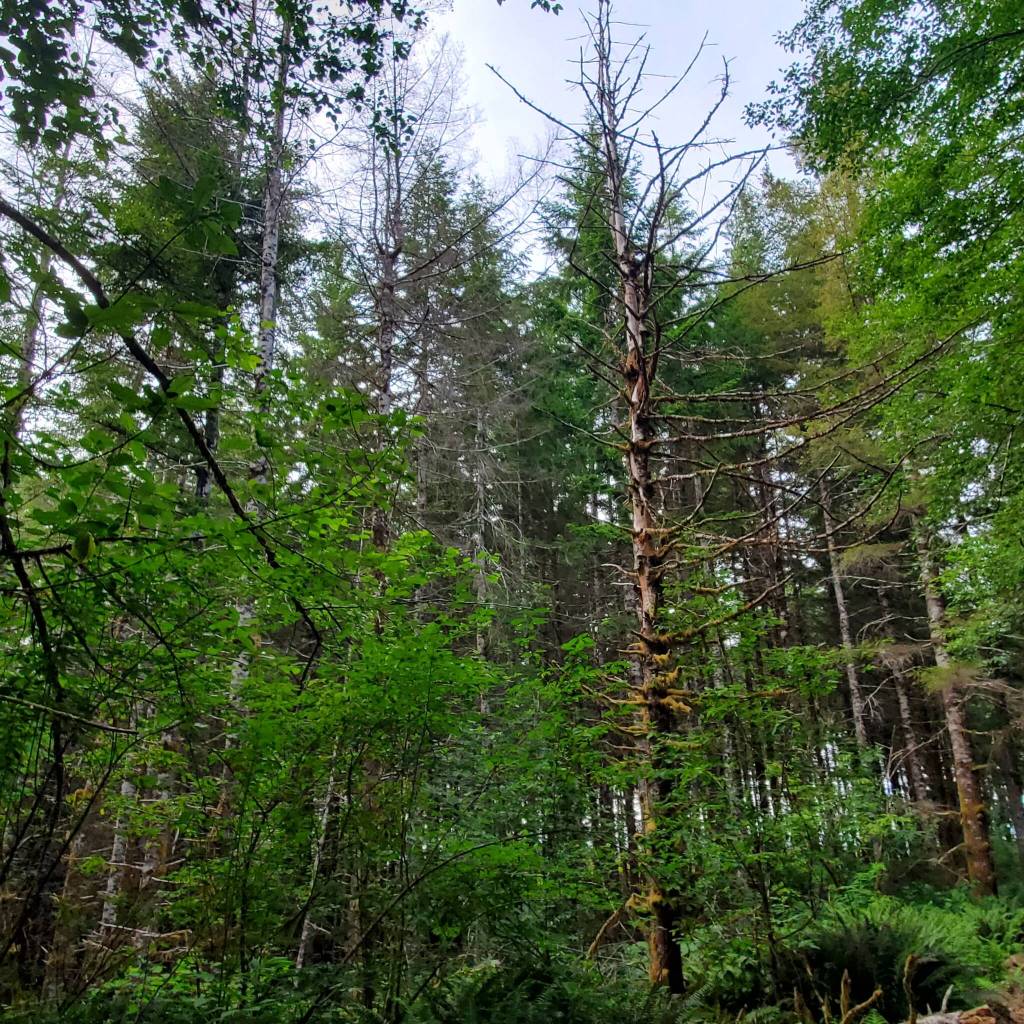
“This got accelerated a little bit because of the fact that we reorganized our harvest schedule and when I was up here, I saw this,” Bull said, drawing the group’s attention to standing dead trees off to the side. “And if you look at that, that’s not good. That’s what they call root rot, laminated root rot, probably, and so I accelerated this harvest by about three, four years.”
Following the harvest, Bull will plant a mixture of species, such as grand fir and western redcedar, which aren’t affected by the fungal pathogen that causes root rot. To an attendee asking what causes root rot, Bull said, “It’s in all forests, and it does spread. … They stay in the soil for a long time because they’re eating all the roots. And so that’s why we have to put new trees in because they’re specifically targeting species.” Which is Douglas-fir in this case.
With the city having a rotation of more than 50 years, the trees dying from the pathogen become more visible than if the rotation age was lower. The trees within this root pocket began exhibiting signs of root rot two years ago.
On last year’s tour, the hypothetical implications if the non-perennial stream (NP) buffers were increased was discussed. For this year’s tour, the hypothetical is now a reality, with the stream buffers now increased up to 75 feet for the entire length of the stream and the rule is tentatively set to take effect at the end of August. Within the 60 acres scheduled for harvest, there are 36 NP-type streams.
“Now all of a sudden we lost 12 acres just in riparian zones,” Bull said.
With the harvest permit already approved, the city will operate under the current NP-buffer rule, which is a 50-feet buffer on 50% of the stream length. The monetary difference between already having the permit to harvest under the current rule versus getting the permit next year is $90,000 that wouldn’t flow into the city’s budget.
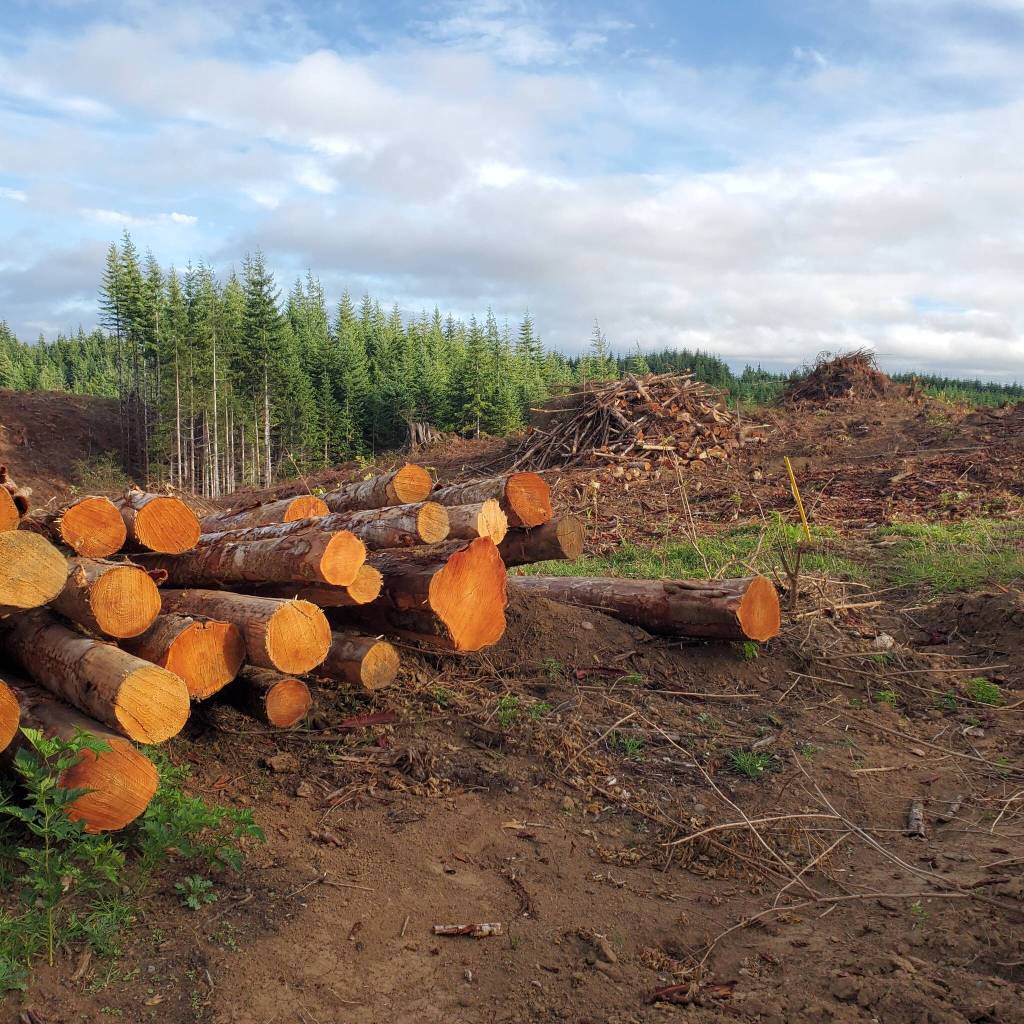
A 55-acre active harvest unit was the third spot the group visited. New roads had been punched in to access other areas of the harvest unit. Murphy Veneer, which is based in Elma, purchased the timber sale.
Bull outlined the management activities that will occur after the harvesting is finished: piling of the slash that will be burned in the fall and winter, and site preparation spraying so the vegetation won’t outcompete the seedlings that will be planted.
Because the city forest isn’t a watershed for the city of Montesano, Bull does spray. However, since the forestland owned by the city of Aberdeen and Hoquiam are their cities’ watershed, Bull doesn’t spray following a harvest and there are larger buffers.
“We have limitations on logging and during this time of year for runoff; you don’t want to mess with [anything] contributing to the water quality,” said Bull, adding that, “Hoquiam got an award for the cleanest water in the state, so we can coexist is my point.”
The revenue from harvests on the city forest is mostly directed to the water department budget.
“It helps with stormwater. It helps with the sewer and water and all the reserve funds too. Projects, street projects, everything,” Bull said.
An effort is underway to add more acreage to the city forest. At the June 23 meeting, the Montesano City Council passed a resolution authorizing Montesano Mayor Tyler Trimble to sign an application resolution for a grant application to Recreation and Conservation Office’s Community Forests Program.
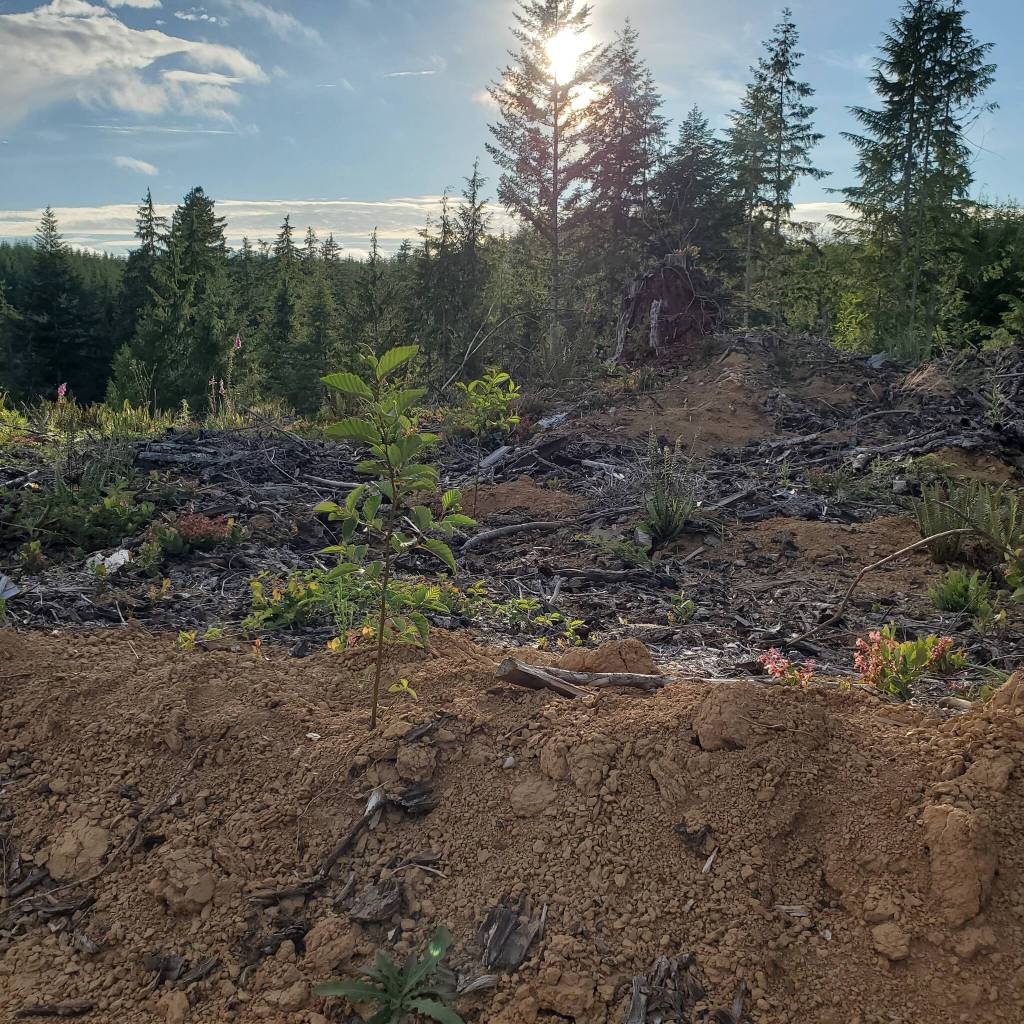
And the fourth, and last stop, was a unit that was harvested last year. A portion of the unit is part of a red alder study being overseen by the Northwest Hardwoods Co-op. The red alder, which were just sticks earlier this year, are now leafed out and have grown over a foot.
“In 80 years, I’ll give you some feedback on how things are going up here,” Bull quipped.