What they do in the shadows: a look at the hidden lives of hibernating bats
Published 1:30 am Monday, April 20, 2026
It’s officially spring in Washington — birds are singing, wildflowers are blooming, and bats are back at it on the night shift! Bats across Washington are out of hibernation, flitting around and eating those pesky mosquito populations you weren’t ready for.
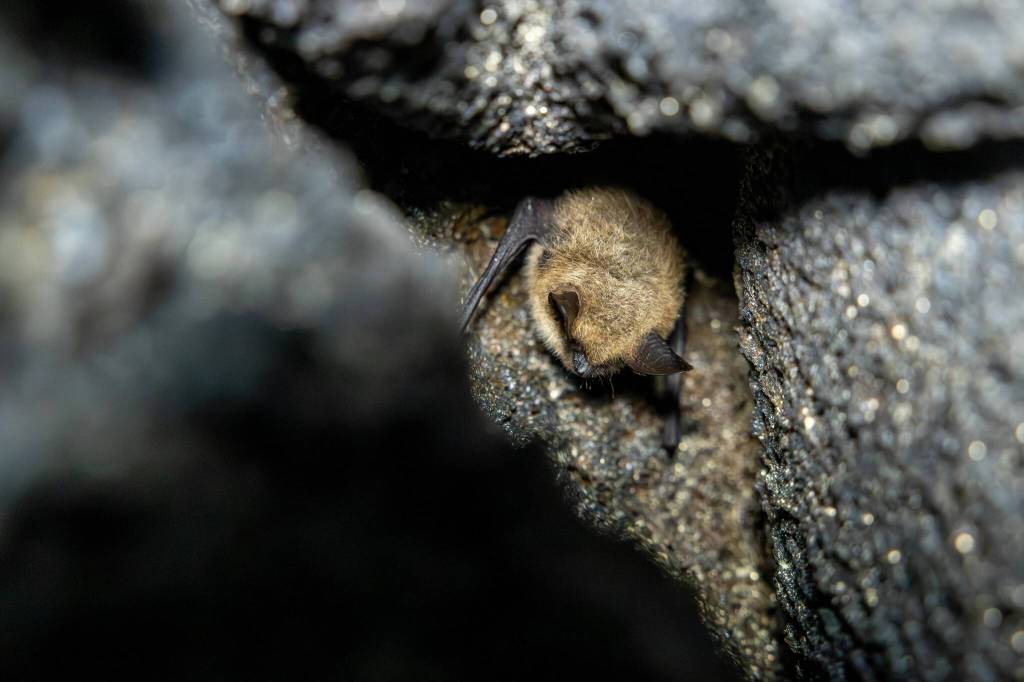
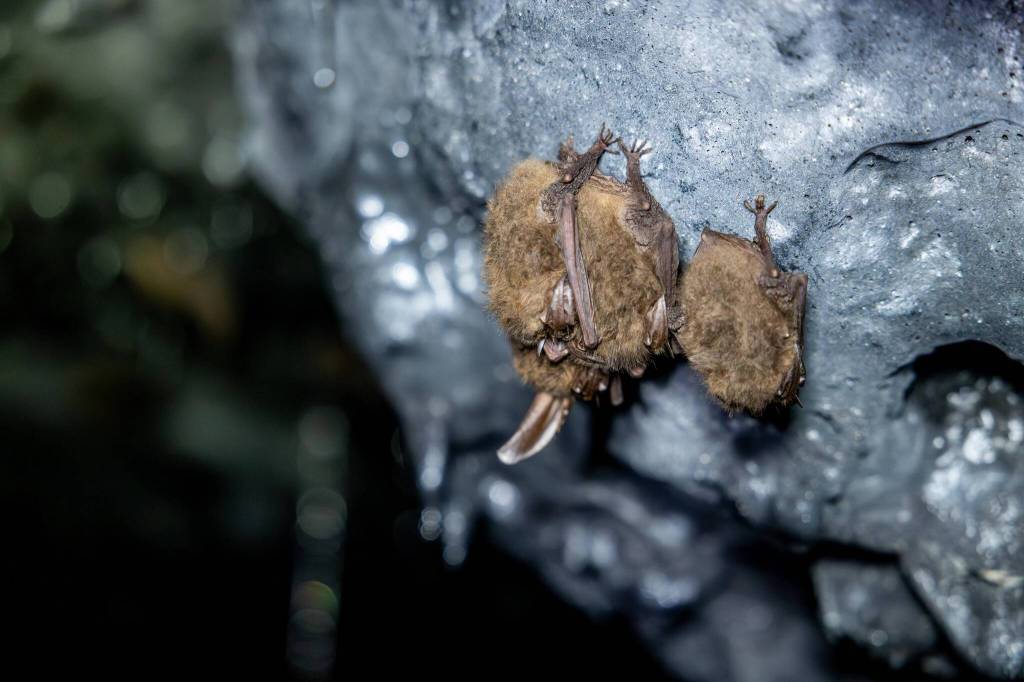
If you’ve ever wondered where bats go in winter, we’ll give you a hint: they like a good chill hang. Many of our native species spend the colder months tucked away, hanging from the ceilings and walls of caves and lava tubes. These underground spaces provide the stable conditions bats need to survive until insects return.
Different species have different preferences. Some Myotis bats seek out slightly warmer, more stable spots deeper in the lava tubes, while Townsend’s big-eared bats often choose colder areas — sometimes cold enough that frost or even icicles form on their fur while they rest.
These photos were taken during Washington Department of Fish and Wildlife (WDFW)-led bat surveys — a highly collaborative effort supported by a variety of partners and fantastic volunteers. Monitoring efforts like this help us to better understand bat populations in Washington, track individual species’ health, and inform conservation actions.
Please note that WDFW staff took special precautions and followed strict protocols to protect the health of these bats and minimize disturbance. We discourage people from seeking out, photographing, or disturbing bats — especially during hibernation, when even small disruptions can have serious impacts.
That’s especially important as white-nose syndrome (WNS), a disease affecting hibernating bats, continues to spread in North America. You can help protect bats by:
Avoiding caves and mines that bats may use, especially in winter
Respecting seasonal closures and posted signs
Cleaning gear and clothing after visiting caves to prevent spreading WNS
As with all wildlife — look, but don’t touch. Please don’t try to hold their tiny little hands or boop their little snoots. (In all seriousness, leave ’em alone!)
Bats play a vital role in our ecosystems and are an essential part of Washington’s biodiversity — they help control insect populations and contribute to healthy landscapes. As they return to the night skies this spring, you may start to see them flitting overhead at dusk.
If you do, give them space and take a moment to appreciate just how incredible these little flying mammals are! If you’d like to help Washington bats, consider installing a bat box in your habitat at home. You can learn more about Washington bats on our website, and how to create bat-friendly habitat in your own or community outdoor spaces.