Sampson Johns: a hero to remember and a tale of rusty rails
Published 1:30 am Friday, March 6, 2026
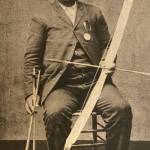

DEAR READER: Bound for Portland with 2,500 tons of steel rails, the three-masted British bark Abercorn arrived at the treacherous mouth of the Columbia River on the morning of Jan. 10, 1888.
Fog was rolling in and the sea was roiling when its captain handed the helm to an experienced bar pilot from Astoria, who nevertheless lost his bearings as a gray shroud enveloped the vessel. His knowledge of the estuary was no match for the elements.
The Abercorn drifted north in blind infinity, past Shoalwater Bay and Grays Harbor before crashing ashore just north of present-day Ocean Shores at 3 a.m. on Jan. 12. Three survivors from the crew of 20 — two men and a cabin boy, clinging to the wreckage — were rescued by Quinault Indians.
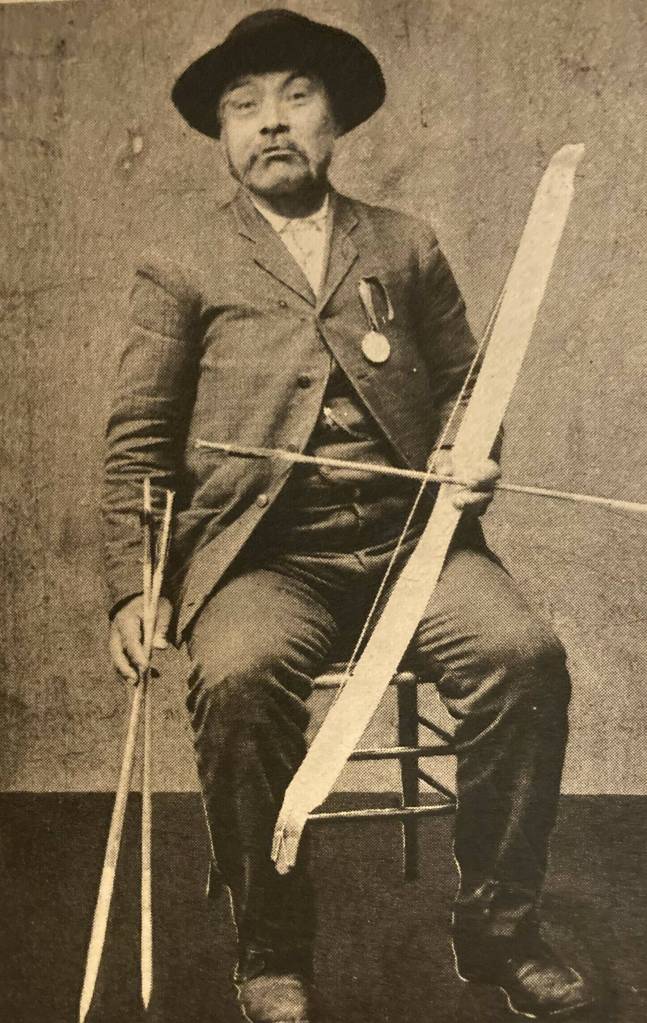
Their leader, Sampson Johns, known for his courage and generosity, was a legend among Olympic Peninsula settlers and shipwrecked mariners.
When the bodies of 14 Abercorn crew members washed ashore, Johns saw to their burial. And he cared for the three survivors until authorities arrived.
THE PORTLAND OREGONIAN saluted the Indians’ heroism, reporting that Sampson, his brother Johnny and three other Quinaults — William Mason (who would become Chief Taholah III), Johnson Waukenas and Billy Garfield — received $20 to $35 apiece from Queen Victoria’s Board of Admiralty ($800 to $1,200 today).
Two years before the Abercorn disaster, the Johns brothers and several other Quinault men paddled their canoes to the wounded Chilean bark Lillie Grace and rescued the entire 14-man crew. That captain’s great good luck was to have grounded his vessel near Sampson Johns’ homestead.
Johns and his wife Mary, a Puyallup, raised their children on 160 acres of beachfront between Oyhut and Ocean City. He was the ex officio mayor of a veritable village that served as a coastal way station for decades. Their property is now the site of the Quinault Beach Resort and Casino.
Well into old age, Johns was a prodigious clam digger and crack shot, willing to help white sea otter hunters who earned his trust. His lineage to the Chinook and Lower Chehalis as well as the Quinault enhanced his stature among Indians and whites alike.
For their lifesaving exploits, Johns and his comrades also received Congressional medals. Sampson wore his with justifiable pride on special occasions and was widely mourned when he died at the age of 81 in 1930.
THOUGH Native Americans would not be granted eligibility for U.S. citizenship until 1924 — never mind that this land was their land when the colonists arrived and ethnic cleansing began — white settlers’ stories are replete with examples of Quinault neighborliness.
Coll Thrush, a University of British Columbia history professor whose writing sparkles with clarity and grace, documents the tribe’s historic heroism in Wrecked: Unsettling Histories from the Graveyard of the Pacific, published in 2025 by University of Washington Press. Thrush’s award-winning 2007 book, Native Seattle, updated in 2017, offers important new perspectives on the city’s indigenous roots.
Wrecked features yet another episode of bravery by Quinaults and the son of the local Indian agent: The rescue of the crew of the Sir Jamsetjee Family, an Australian vessel that was bound for Port Townsend in December of 1886 “when it foundered in the surf at Taholah” and launched its lifeboats.
The Indian agent’s daughter, Adeline Willoughby, recorded the harrowing scene, writing that her brother, Charles, and several Indian men “started with a lantern, some kindling and a can of petroleum to the only short strip of beach where a boat could land. The night was very stormy, and they had to climb along the rocky sides of the cliff. My brother and the Indians made the strip of beach after a hard climb in the darkness where a slip of the foot would mean plunging one on the rocks below.”
The rescuers started a fire and began signaling the survivors to land there. “Miraculously,” the last intact lifeboat with all the crew aboard survived the torrents of the storm and “started for the shore through the terrible surf.”
Then, as the Indians rushed into the surf to pull the lifeboat onto the beach, the frightened survivors “began to beat them with their oars. My brother seeing what was happening called out to them in English and they stopped.”
“At great risk to themselves,” with insult and injury as reward, members of the Quinault Nation had saved another batch of white castaways, Thrush writes.
Sampson Johns and his comrades likely played roles in that rescue as well.
NOT ALL was lost with the wreck of the Abercorn. Its cargo of rails provided Aberdeen’s vital link to the Northern Pacific Railroad.
By 1892, divers had recovered “a large portion” of the railroad tracks from the shipwreck. The Panic of 1893, a nationwide depression, derailed the project for a year. Aberdeen banker William P. Book and local lumbermen J.M. Weatherwax and C.R. Wilson bought the rails at a tax sale for 13 cents each, Seattle historian Bruce A. Ramsey writes. The trio, together with city founder Sam Benn, donated just under half of the 42 tons of rails it would take to put Aberdeen on the map as a railroad town. Twenty-eight Aberdeen citizens and businesses “divided up what amounted to one ton each” to seal the deal.
Other complications ensued, but the rail link was completed. The first train to arrive in Aberdeen was greeted with great fanfare on April 1, 1895. The rails had been in salt water for years, and “passengers swore they could tell when they were approaching Aberdeen by the sound of the wheels on the pitted rails,” Ed Van Syckle wrote in The River Pioneers.
MANY THANKS to Justine James Jr., a cultural resources specialist for the Quinault Nation, who provided a wealth of detail about Sampson Johns, while the late McNall Mason, a first-rate amateur historian I wish I had met, published a great piece about Johns on her “Hidden Coast” website in 2021: https://soozrustynail.com/hidden-byway-magazine/
John C. Hughes was chief historian for the Office of the Secretary of State for 17 years after retiring as editor and publisher of The Daily World in 2008.