Ready, set, razor clam dig … if all goes well
Published 1:30 am Wednesday, October 1, 2025
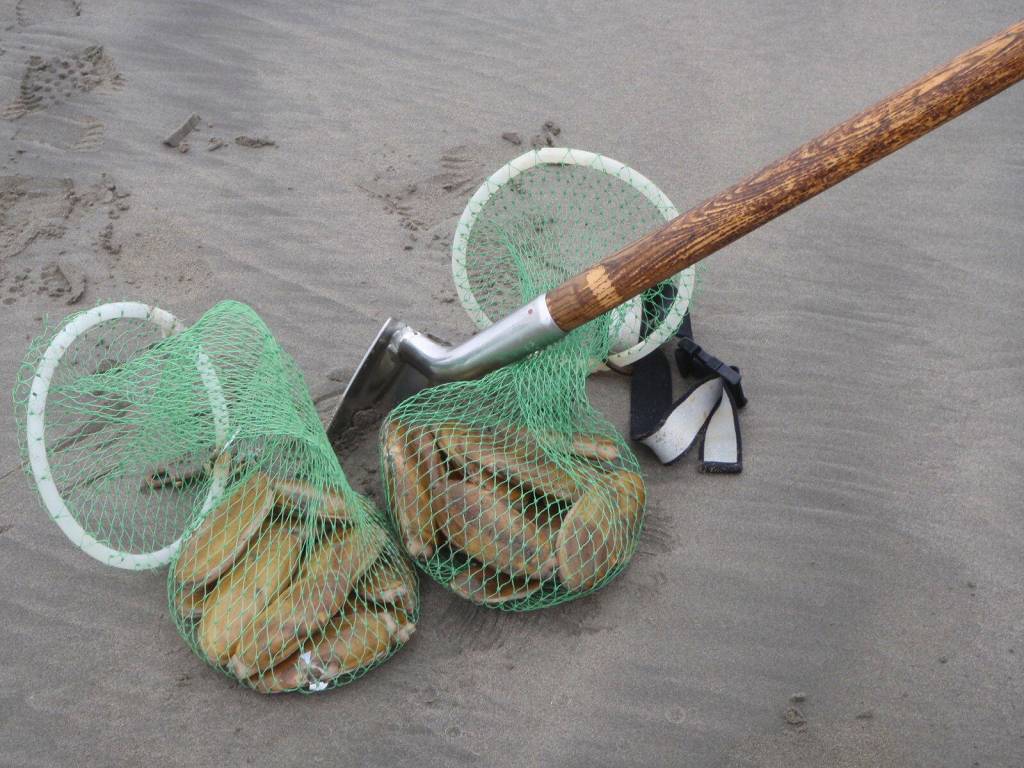
Shellfish managers with the Washington Department of Fish and Wildlife are expected to announce the start of the 2025-26 coastal razor clam season, depending on safe test results for the marine toxin domoic acid.
Tentative dates during late afternoon/evening (noon to midnight only) low tides:
Oct. 6, Monday; 6:35 p.m.; -0.2 feet; Long Beach, Twin Harbors, Mocrocks
Oct. 7, Tuesday; 7:18 p.m.; -1.0 feet; Long Beach, Twin Harbors, Mocrocks
Oct. 8, Wednesday, 8:02 p.m.; -1.4 feet; Long Beach, Twin Harbors, Copalis
Oct. 9, Thursday, 8:49 p.m.; -1.5 feet; Long Beach, Twin Harbors, Copalis
Oct. 10, Friday, 9:40 p.m.; -1.3 feet; Long Beach, Twin Harbors, Mocrocks
Oct. 11, Saturday, 10:37 p.m.; -0.8 feet; Long Beach, Twin Harbors, Mocrocks
Oct. 12, Sunday, 11:41 p.m.; -0.2 feet; Long Beach, Twin Harbors, Copalis
Before a beach can open for digging, the Washington State Department of Health requires two test samples seven to 10 days apart and domoic acid levels under the guideline level. The decision to open is expected soon.
Domoic acid, a natural toxin that certain marine algae produce, can be harmful or fatal if consumed in sufficient quantities. For more information about domoic acid, as well as current levels at ocean beaches, refer to the WDFW’s domoic acid webpage and the DOH webpage.
On all ocean beaches — Long Beach, Twin Harbors, Copalis, and Mocrocks — the daily limit is 15 clams per person. Each digger’s clams must be kept in a separate container, and all diggers must keep the first 15 clams they dig, regardless of size or condition.
“It’s important that diggers keep the clams they dig to prevent wastage (includes discarding small clams, clam with broken shells or reburying unwanted clams),” Blumenthal said. “It’s not unusual to encounter some small clams, especially this early in the season.”
Most successful digging occurs between one and two hours before the listed time of low tide.