UW climate expert: NYT article on ‘inevitable megafire’ is ‘blatantly false’
Published 1:30 am Saturday, August 9, 2025
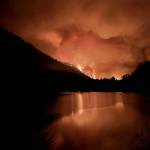
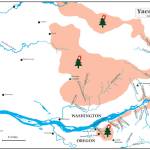
A Wednesday headline in The New York Times above a photograph of a smoke-engulfed Interstate 90 Floating Bridge on Lake Washington reads, “Washington State Braces for ‘Inevitable’ Megafire. Climate Change May Bring It Sooner.”
The Daily World republished the article in its Thursday paper.
Just below the headline, the author wrote, “The famously rainy state is facing longer, hotter, and drier fire seasons, raising the risk of a mammoth fire that will be nearly impossible to fight. All the state can do is prepare.”
Cliff Mass, professor of atmospheric sciences at the University of Washington in Seattle, says the article is nonsense.
He criticized the piece in a Thursday blog in which he called the article “blatantly false.”
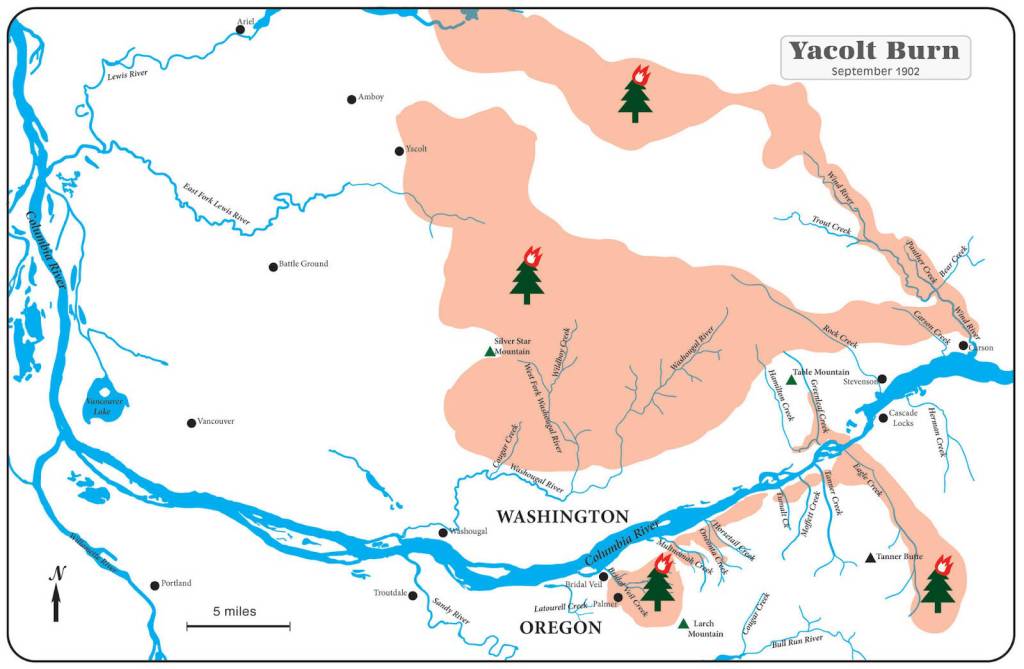
“It’s false,” Mass told The Center Square the same day. “The last megafire – and we’re going to define megafire as a fire over 100,000 acres – was [in] 1902,” Mass explained. “So, with all the global warming that’s been going on, we haven’t had any megafires. There’s no trend to more megafires.”
The New York Times article quotes Derek Churchill, a forest health scientist at the Washington State Department of Natural Resources.
“It used to be that it really wasn’t until mid-August that fuels dried out in western Washington,” Churchill said. “Now it’s July or earlier.”
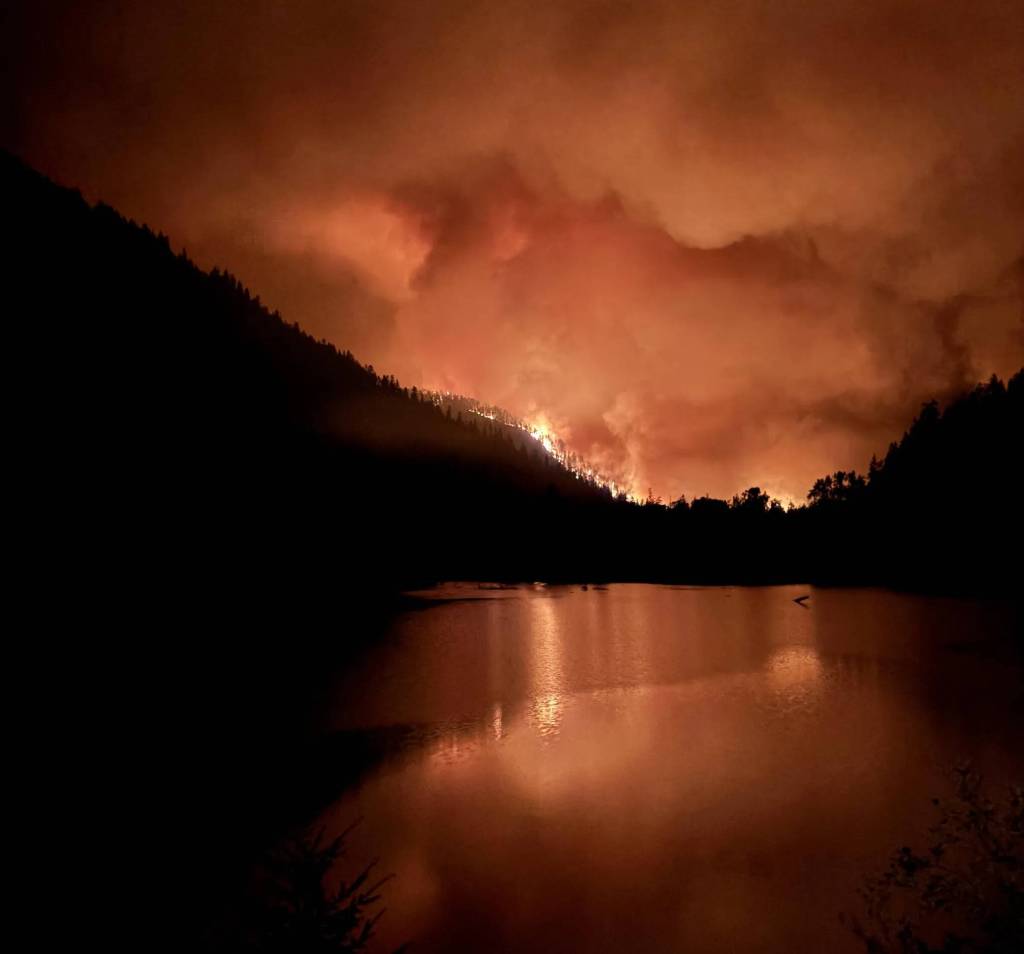
According to The New York Times story, “Last month, human activity started a wildfire in the Olympic National Forest. As of Tuesday, it had grown to more than 5,100 acres and some campgrounds were under evacuation orders.”
Mass said small fires are nothing unusual, even in wetter parts of Washington in the summer months.
“And this has been, until the last few days, a drier-than-normal summer,” he said. “And so – and we have a lot of forest debris and grasses that can burn – so we’ve had the smaller fires. But the big fires, which this thing is about, the megafires … do not occur unless you have these optimal easterly winds, which global warming works against. They don’t get to the big size unless they’re driven by these easterly winds.”
According to the article, “state forest managers are now figuring out how to respond to two problems simultaneously: a changing fire season with increased odds of smaller, more frequent fires, and the threat of the next megafire in its rainforests.”
Mass pushed back, saying that the author and sources quoted offered little, if any, evidence to back up their argument.
“The basic thesis of the article was wrong,” he said. “I mean, there’s no other way to say it.”
The Center Square emailed DNR for comment on Mass’ sharp criticisms of the article and spoke with Crystal Raymond, deputy director of policy and management for the Western Fire and Forest Resilience Collaborative.
“I think there are elements of truth in what he says and some key things that are missing,” Raymond said. “I think he’s correct in saying most climate modeling doesn’t indicate any change in winds, and the winds are critical to getting these major fires in Western Washington. But I think what’s missing is that you still have to have warm temperatures and dry fuels to get these fires. The two work together. You need both ingredients. We’re increasing the dry conditions, we’re increasing the dry fuels, so we’re increasing one ingredient, so even if we keep the other ingredient the same, we can still get more fires.”
Raymond said that, regardless of climate change, Washington needs to be prepared for an inevitable megafire.
“Yes, they don’t happen every year, and it may be 100 years, it may be 200 years – a little bit like a 9.0 earthquake – but they are inevitable here, and it’s not a question of if, it’s a question of when,” she said.
Mass noted that he attempted to comment on The New York Times article. He reached out to the author, to no avail.
“I left a comment on The New York Times site, and they wouldn’t let it through, and I am a researcher,” said Mass. “I’ve worked on exactly this topic. And I sent an email to the author who had come to me before for information about other stuff. I said to her, ‘This is wrong. You need to correct this.’ Not a single word from her. So, you know, it’s very disturbing what’s going on here.”
The Center Square also contacted the author of the article for comment, but did not receive a response.