Consumers shouldn’t bear costs for Centralia’s TransAlta
Published 1:30 am Tuesday, June 30, 2026
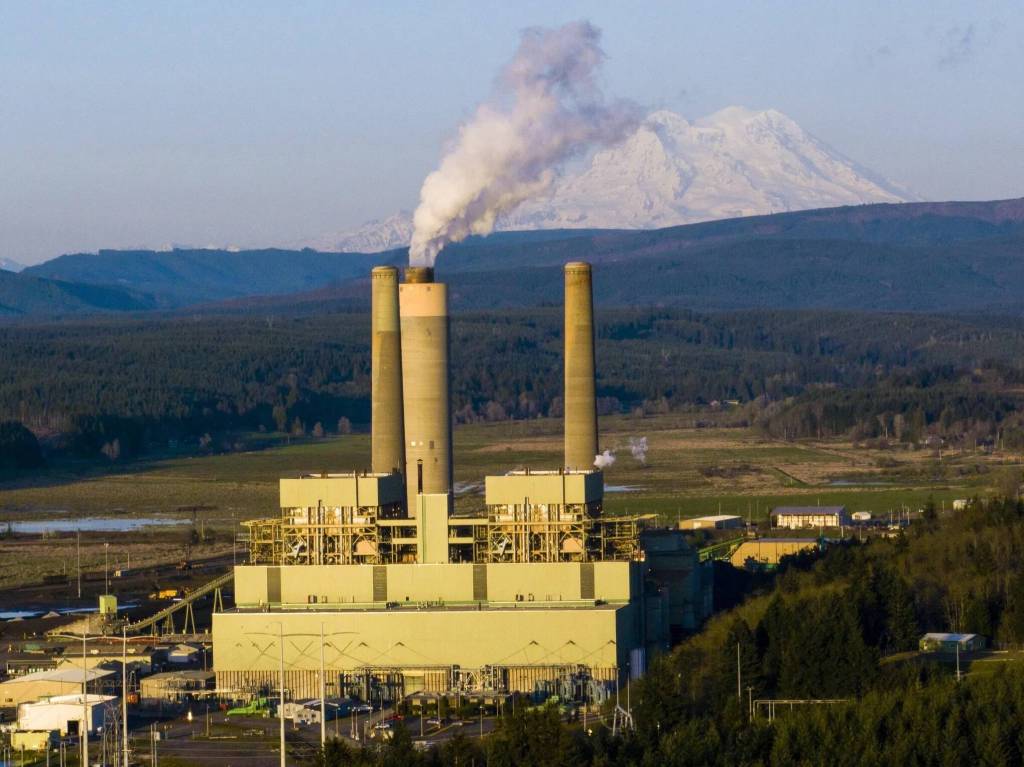
The costs of the Trump administration’s absurd, antiquated support for the coal industry are not limited to long-term concerns. It also delivers immediate damage to consumers in Washington.
Locally, the harm is represented by the TransAlta plant near Centralia. In 2011, state officials and plant operators agreed to close the facility at the end of 2025. It is the last coal-powered electricity plant in the state and conflicts with Washington laws designed to reduce carbon emissions.
In December 2025, an agreement was announced to continue operating the plant while fueled by natural gas. Like coal, natural gas is a fossil fuel and requires extraction. But the burning of it produces far fewer carbon emissions than does the burning of coal.
Despite 14 years of preparation for the future of the plant, the Trump administration felt compelled to step in at the last minute. The U.S. Department of Energy issued an emergency order requiring the plant to continue being available for operations; environmental advocates and the Washington attorney general’s office filed challenges to the order.
Now, Northwest utilities are worried that their customers will be saddled with the costs of a coal-burning power plant that is not producing any power. TransAlta officials are seeking tens of millions of dollars in reimbursement for keeping the workforce in place and keeping the facility available to burn coal. On April 30, they submitted for federal review an invoice for $20 million.
As Ted Kelly of the Environmental Defense Fund said: “If this coal plant is supposedly essential to keeping the lights on, then why has it been sitting idle while families and businesses pay the enormous costs of keeping it online? These coal mandates are increasingly being exposed for what they are: wasteful charades that leave families and businesses holding the bag.”
In addition, Washington State Standard reports, TransAlta estimates that it will need $23 million to repair and refurbish the plant if ordered to remain on standby into the third and fourth quarters of 2026.
All of this is the result of President Donald Trump’s desire to return American energy production to the 1940s.
“I call it beautiful, clean coal,” Trump said last year, echoing his many inaccurate statements about the fossil fuel. “I told my people, never use the word ‘coal’ unless you put ‘beautiful, clean’ before it.”
Apparently unencumbered by mountains of scientific evidence regarding the environmental costs of burning coal, Trump continues to prop up an outdated industry; renewable energy industries have surpassed coal in terms of employment, production and affordability. A transition is necessary, with the burning of coal being an intense contributor to greenhouse gases that exacerbate climate change.
The Northwest has been a leader in that transformation. Decades of hydropower development and years of legislation to limit carbon emissions have facilitated that transition, preparing the region’s energy industry for the economy of the future. But the Trump administration continues to erect roadblocks.
The situation surrounding the TransAlta plant represents the foolishness of it all. The administration is requiring a nonproducing plant to incur the costs of remaining open, and those costs might be passed along to consumers. Meanwhile, it is slowing necessary progress in energy production.
The costs are palpable — both now and for the future.