10 Washington road trips to spot special state symbols
Published 1:30 am Friday, June 26, 2026
Washington state has more than a few unique state symbols, including an official Washington dance (the square dance) and tartan. To become an official state symbol, residents ask the Washington State Legislature to designate an animal, plant, attraction or other entity as important enough to represent Washington.
Several official state symbols are understandably worthy of a day or weekend road trip.
1. Photograph the state waterfall in Palouse Falls
The last remaining year-round waterfalls left by the Ice Age floods, Palouse Falls drop nearly 200 feet into a picturesque bowl of water before flowing to the Snake River. Get the best perspectives at Palouse Falls State Heritage Site, an Eastern Washington destination with wildflowers, paved pathways and shaded picnic benches. Look for the Fryxell Overlook, the highest point overlooking the falls and granite slabs of the Palouse River Canyon.
2. Sing the state folk song
In the early 1940s, Washington residents needed encouragement to electrify their homes and farms. As part of the project, Bonneville Power Administration hired folksinger Woody Guthrie to write songs for a promotional movie. Guthrie’s most famous song was “Roll On, Columbia, Roll On,” in honor of the Grand Coulee Dam drawing water from the Columbia River.
Today, you can visit the Grand Coulee Dam, a concrete behemoth standing 550 feet high and almost a mile long, and listed by the American Society of Civil Engineers as one of the U.S.’s seven civil engineering wonders. Take a public tour, enjoy the evening light show or take in the hands-on exhibits in the visitor center.
The dam created Lake Roosevelt, where you can camp, fish or boat. The dam’s “Grand Coulee” name refers to the stunning, steep-sided, four-mile-wide gulch (or coulee) in the Columbia River Basin, carved by the Ice Age floods.
3. Seek the state marine mammal in Friday Harbor
A school’s second graders successfully campaigned for the legislature to designate the orca as the state’s official marine mammal. Today, you can scan the water for Southern Resident Killer Whales while aboard the Washington State Ferry bound for San Juan Island.
You may well spot orcas at the island’s Lime Kiln Point Park, one stop on the West Coast’s “Whale Trail.” Once the site of lime mining, this park now offers one of the world’s best whale-watching parks. Look for the orca’s recognizable fins or black-and-white markings from the park’s vantage points or the park’s 1919 lighthouse.
If you missed seeing an orca that day, stop by the island’s Whale Museum or Lime Kiln Point Interpretive Center to see orca statues and interactive displays and learn more about the state’s special mammals.
4. See the state gem in Vantage
In 1975, petrified wood was adopted as the state gem. This gem doesn’t really sparkle, though. Over centuries, lava flows, water and silica “petrified” swamps of cypress, oak, elm and ginkgo. Fallen logs, stumps and other wood became more of a stone- and statue-like formation.
The best place to see petrified wood is Ginkgo Petrified Forest State Park, which offers an interpretive center, a walk along the Trees of Stone Interpretive Trail and picnic tables with stunning views of the Columbia River and basalt cliffs.
5. Sail aboard the state ship in Aberdeen
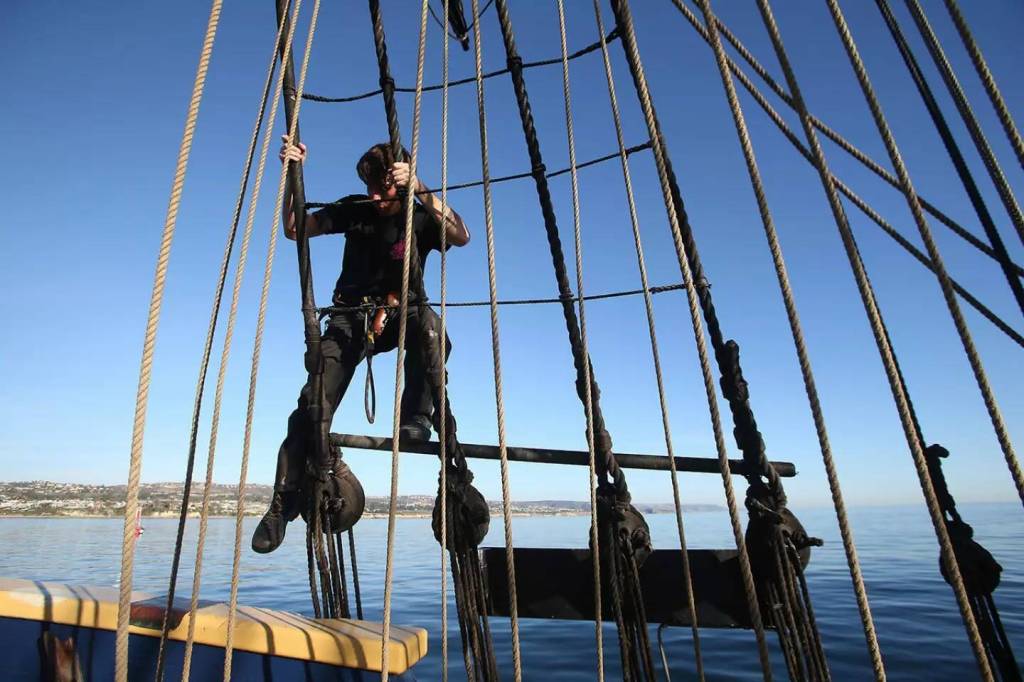
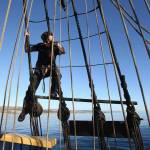
The Lady Washington is a reproduction of an original sailing ship that was the first American vessel to reach the Pacific Northwest in 1788 and the first American ship to visit Japan. Pacific Northwest master shipwrights built the ship over two years, as commissioned by the Grays Harbor Historical Seaport Authority — and it has even starred in a few movies, including a Pirates of the Caribbean film.
Typically stationed in Aberdeen, the tall ship is currently undergoing renovations in the Victorian-era Olympic Peninsula town of Port Townsend. A potential start to the sailing season may be on deck for this coming September, but watch the Grays Harbor Historical Seaport Authority restoration update page for details.
6. Taste the state vegetable in Walla Walla
The Walla Walla sweet onion is only grown in the Walla Walla Valley. First brought from the French island of Corsica by a retired French soldier, the onion evolved into a larger, sweeter and rounder veggie.
Sweet onion season runs mid-June through September, when you can buy directly from farmers around the Walla Walla Valley cultivating the crop. While primarily famous for wine, the Eastern Washington town of Walla Walla has a walkable downtown bursting with restaurants looking to local producers for ingredients, so you’ll find sweet onions on pizzas, burgers and tacos in summer.
7. Gaze upon the state flower in Federal Way
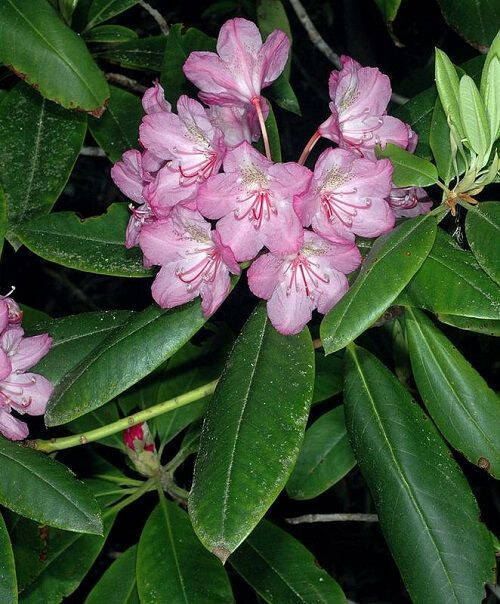
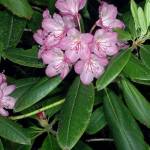
The large, evergreen shrub Rhododendron macrophyllum produces the state’s official purple-to-pink flowers. Find local beauty along hiking trails, though few bloom after May.
Or look for one of the flowers’ cousins at the Rhododendron Species Botanical Garden, among more than 700 varieties from North America, Europe, Asia and Australia. The garden also features the unusual “world’s largest public stumpery,” a unique Victorian-era-popularized collection of tree stumps and decaying trunks that provide a home to a new generation of plants, animals and insects.
8. Spot the state endemic mammal in Olympic National Park
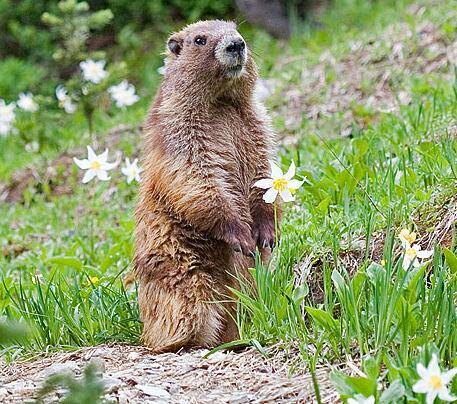
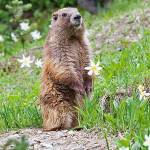
The Olympic marmot, the only mammal found exclusively in Washington, became the state endemic mammal. Spot the furry brown critters (also known as “whistle pigs”) sunbathing on Olympic National Park rocks on the Olympic Peninsula. The park offers camping, historic lodges, waterfalls and ranger-led talks, walks and tours.
Within the park, drive to the Hoh Rain Forest’s temperate canopy to hike beneath a moss-draped Western hemlock. One evergreen standard-setter grew to at least 191 feet tall in the Quinault Rain Forest.
9. Sample the state fruit in Wenatchee
Washington is a top national producer of apples, so our state fruit is a natural fit. More than 30 varieties grow here, thanks to a unique combination of rich, volcanic soil, plentiful irrigation and a dry, hot summer growing season.
Sample slices of the official state fruit in Wenatchee, long billed as the “Apple Capital of the World.” You can go on a you-pick adventure in apple orchards just outside the city, stop by a cidery’s tasting room or browse the Pybus Public Market while in town.
10. Examine the Washington state fossil in Tri-Cities
The now-extinct elephant-sized Columbian mammoth roamed ice age Washington until around 10,000 years ago. Its bones, skull and tooth fragments are now among the most common fossils found in Washington.
Columbian mammoth fossils were found on the Olympic Peninsula near Sequim, where beach walkers found a tooth. More fragments showed up near the Tri-Cities, where you can join a public dig-site tour or schedule a private tour at McBones Coyote Canyon Mammoth Site.