How the education system needs to adapt to AI
Published 1:30 am Tuesday, April 21, 2026
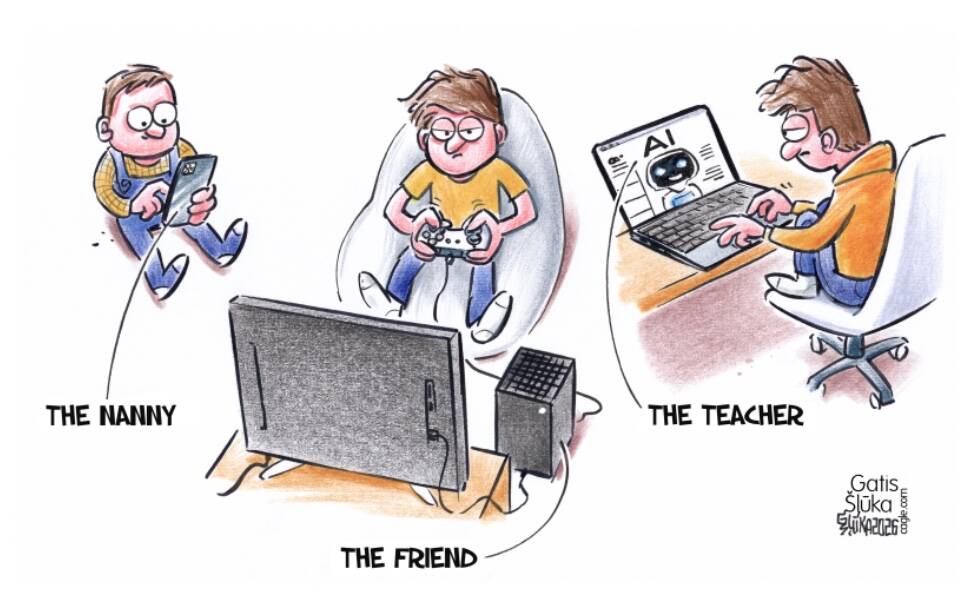
The sudden and rapid propagation of artificial intelligence [AI] through large language models, or LLMs, like ChatGPT, has caught much of the education world off guard.
Over the past few months, I’ve been researching studies on the impact of AI and broader educational technology. During my study, I spoke with dozens of teachers across Washington state about how they’re approaching the new tech landscape.
Most are adapting as best they can, but concern has grown as studies show a potential decline in critical thinking skills with AI usage, compounding existing worries of electronics in classrooms being bigger distractions than aids to students.
There’s no panacea. The path forward will be forged with innovation and resolve to reevaluate how the education system operates. Now that states are actively taking a larger role in regulating AI use across education, here are some policy recommendations that would aid teachers in helping students navigate this evolving technology.Prioritize analogue learning and ditch the Chromebooks
There’s an overwhelming sense from the teachers I talked to that electronics in classrooms are detrimental to student learning, and much of the research agrees.
One middle school teacher told me he was shifting away from electronics in class entirely, requiring first draft essays to be written in class by hand. A university professor, whose courses include online only classes, emphasized the standard of live or video presentations in order to demonstrate mastery of the subject.
The public school system’s eager adoption of laptops en masse hasn’t paid off. The potential benefits of the machines may not outweigh their proclivity to distract. Based on the data and teacher frustrations, it would be prudent to reevaluate laptop policies, preferring traditional computer labs for digital-based work or individual laptop loans for at-home work. This type of model has seen success in North Carolina and can be an example for educators going forward.Incorporate AI etiquette into curricula
While many teachers want to limit reliance on education technology, others are clear that abandoning it altogether would be a mistake. Several educators I spoke with pointed to the benefits AI can offer: personalized assignments that adapt to individual student needs, improved tutoring support, and a meaningful reduction in teacher workload.
Banning AI entirely also leaves students unprepared for the future. California Gov. Gavin Newsom recognized this in rejecting Assembly Bill 1064, which would have banned chatbot access for individuals under 18, saying, “We cannot prepare our youth for a future where AI is ubiquitous by preventing their use of these tools altogether.”
Teaching students AI etiquette early can help prepare them not to outsource their thinking, but to use it as a learning tool.
While legislators should look at safeguarding AI usage on a broad scale to protect students and establish transparency with parents, individual classrooms could consider a few basic concepts:
Always disclose if AI is used in an assignment and how.
Think through an assignment and how to tackle it, employ AI after your own attempt.
AI will get things wrong, so always verify its work.
For every idea AI affirms, have it counter with a different viewpoint.
According to the university professor I interviewed, even with explicit permission, many college students fail to disclose AI use for fear of reprisal. By setting guardrails early and normalizing reporting, we can prepare students to use AI wisely and reinforce where it is and isn’t appropriate. This will be key to establishing critical thinking in students without outsourcing thinking to AI.All-or-nothing is not the path to success
With each teacher I spoke to, it was apparent that an all-or-nothing approach to education technology is insufficient. Classroom electronics and AI present challenges but are balanced with benefits of workload relief and individualized student guidance. The wisest approach is one that focuses on policies that provide demonstrable student achievement and forward-looking guidance on how to best leverage technology without it ruling them.