Bears, bees and bureaucracy in Ocean Shores
Published 1:30 am Tuesday, September 16, 2025
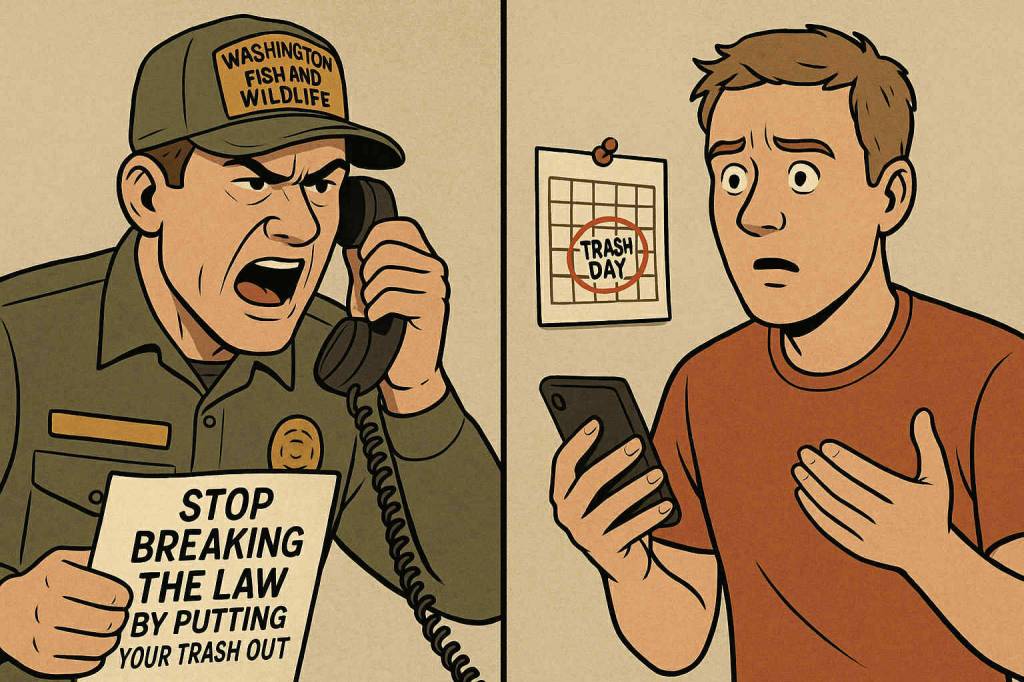
Some people read novels. Some people binge Netflix. Me? I’m a nerd.
My idea of a fun time is curling up with the Federal Informer or the Washington State Law Enforcement Digest. Others unwind with cocktails — I unwind with statutory definitions of culpability.
So when I had an aggressive driveway standoff with Yogi the Trash Bandit, I didn’t just panic and run inside. I did what any law nerd would do: I fired off a string of emails to city officials. And what did I hear back? Crickets. Which, ironically, might be the next invasive species the city ignores.
So I picked up the phone and called the Washington Department of Fish and Wildlife. On the other end: a bureaucratic voice so calm you’d think I was reporting a raccoon trespass, not a 400-pound bear shaking down my trash can like it owed him money.
I explained my concerns: safety, risk of attack, not wanting my obituary to read “Beloved father, tragically devoured on Trash Day.” The reply? “Bear activity is okay. More people die from bee stings than bear attacks.”
Ah yes, the “bees are worse” defense. Nothing says “we care about your safety” quite like telling you to fear a wasp more than a grizzly. Next time I’m nose-to-nose with a bear, I’ll just shout: “Don’t maul me, statistically you’re less scary than a yellow jacket!” Maybe that’ll work.
Naturally, I asked: “So what’s the plan — wait until someone gets mauled before a solution is found?” The reply was a gem: “If people would stop breaking the law and leaving their trash cans out, there wouldn’t be an issue.” Breaking the law. Let that sink in.
According to this logic, every resident dragging a can to the curb is basically running a criminal cartel. Al Capone bootlegged whiskey. We’re smuggling yesterday’s lasagna. Somewhere in a dark alley, a detective whispers, “It was trash night. They knew the risks.”
So I asked: “Which RCWs, exactly?” The answer: “You can Google it.”
Ladies and gentlemen, we have reached peak government customer service. Imagine your doctor telling you to “Reddit your chest pains.” Or your mechanic saying “TikTok it, bro.” After some prodding, out came the statute: RCW 77.15.790 — “Negligently feeding, attempting to feed, or attracting large wild carnivores.” Translation: take your bin to the curb and you’re essentially running a bear buffet.
Welcome to Ocean Shores, the only place where Waste Management Day is also a misdemeanor. By that logic, my neighbor’s bird feeder is an all-you-can-eat salmon sushi bar for wildlife, and dropping a Capri Sun in the driveway is now considered “criminal entrapment.”
I walked through negligence, recklessness, ordinary care like it was a law school exam. By the end of it, the voice on the other end got quieter and quieter, probably scrolling Westlaw on mute. Even they had to admit branding every trash-day resident as a felon might be a stretch.
Then came the codes. Ocean Shores ordinances, written in the 1970s when disco balls were twirling and bears hadn’t yet discovered the culinary joys of Domino’s pizza crusts. Our population has tripled, rentals have exploded, and businesses sprout like weeds — but the laws still think we’re a sleepy fishing village where the only nuisance was Uncle Larry’s bottle rockets.
So I suggested something revolutionary: collaboration. State, local, federal. Build proper trash enclosures. Fast-track permits. Require LeMay to buy cans that actually resist bears, not the plastic Happy Meal lids they call “locks.”
By the end, there was an apology. I could tell the poor guy was overworked, underfunded and fielding more calls than a Comcast rep. But here’s the kicker: it’s not just his burden. It’s the city, the state, and yes, us. If nothing changes, we might as well add bear spray to the municipal water supply and call it “Ocean Shores Spring.”
Defender of the bees Bear Safety Tips (According to WDFW): 1. Don’t leave trash out. Felons do that. 2. Don’t feed bears. (They already have DoorDash.) 3. If you see a bear, don’t panic — just remember bees are statistically deadlier. (So grab a net, not spray.) 4. Google the rest.
Here’s my final plea: Public officials, stop getting so defensive when residents complain. It’s not personal. The subject matter is the issue, not your fragile ego. Whether it’s you, your predecessor, or the next person in line, the message will always be the same. And just because you were hired, elected, or parachuted into your chair doesn’t mean you’re an expert. It would behoove you to research the world you’re operating in and actually know the statutes you spew.
Because misinformation spreads faster than a bear can tip a trash can — and it’s exactly what turns a reasonable citizen into someone writing sarcastic op-eds like this one.
CJ Ripley is a self-described Ocean Shores survivor.