‘The worst of the worst’ and the rest of the best
Published 1:30 am Friday, December 12, 2025



DEAR READER: Fittingly, during open season on immigrants, my list of the 10 best new books of 2025 includes two that document America’s checkered response to huddled masses yearning to breathe free.
We all thrill, doubtless, to Homeland Security Secretary Kristi Noem’s commercials declaring that, thanks to the leadership of President Donald J. Trump, child pornographers and vicious MS-13 gang members are being rounded up by the hour and sent back to the fetid Third-World slums from which they slithered.
I’m all in on deporting perverts and narco-thugs, the criminals our President rightly characterizes as “the worst of the worst.” But I’m appalled and frightened by the true stories of hapless undocumented immigrants — and U.S. citizens — plucked off the streets of America by masked, armed ICE agents with attack dogs. Thousands of those arrested, many gainfully employed and pursuing naturalization, have been sent — are being sent — to detention camps where due-process is but a joke. ICE’s own statistics from January through mid-October reveal that only 5% of those arrested had been convicted of a violent crime.
Have you heard about the young woman who fled West Africa to avoid genital mutilation, making her way to the U.S. to plead for asylum? Probably not. She is now among the deportees we sent to a snake-infested detention camp in Ghana. Never mind that both U.S. and international law have long held that “no nation should intentionally deport or expel people to a place where they are likely to face torture, persecution, death, or other grave harms,” says Sarah Stillman, a Pulitzer Prize-winning investigative reporter who managed to speak with 11 of those detained in the camp.
How about those Somali immigrants in Minnesota? “Garbage,” President Trump declared on Dec. 2. They should just “go back to where they came from.” Aliens like them — illegal, nearly legal, whatever — are “poisoning the blood of our country,” the President has warned. What a chilling notion. I’ve always thought our country’s lifeblood keeps growing stronger from admixture.
Woe betide the migrant apple picker with a speeding ticket.
“Adios mis amigos, Jesus and Maria! You won’t have a name when you ride the big airplane; all they will call you will be deportee,” Woody Guthrie wrote in 1948 when California was sending farmworkers back to Mexico. Then — oops — it realized it needed them.
When he wrote, “What’s past is prologue,” Shakespeare, like Woody, was way ahead of the game.
HERE ARE the final five books on my 10 best list:
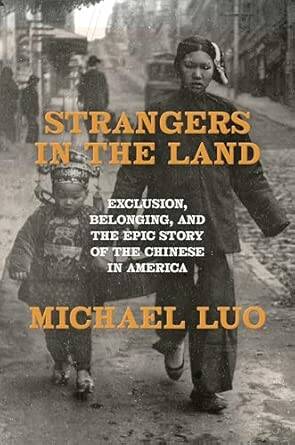
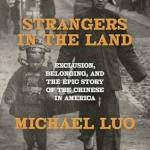
#6: “Strangers in the Land: Exclusion, Belonging, and the Epic Story of the Chinese in America,” by Michael Luo.
An editor at The New Yorker, Luo tells this sweeping story with painstaking attention to accuracy and the compelling prose that has been the magazine’s trademark for a hundred years.
Impoverished Chinese, dreaming of a better life, sailed for California in steerage when gold was discovered there in 1848. Thousands more arrived to lay the rails and blast the tunnels for the Transcontinental Railroad. By the 1870s, as the industrious, close-knit immigrants created Chinatowns, white workers grew more resentful. These “heathen” Orientals were not just “job-stealers” but a threat to Anglo-Saxon civilization. Racial violence to counter the “Yellow Peril” erupted from Seattle to Los Angeles — practically anywhere in the West with a cluster of Chinese. In 1885, at Rock Springs, Wyoming, a white mob murdered 28 Chinese miners. Five years later, here in Aberdeen, Chinese salmon-cannery workers were “muscled aboard” the outbound steamer Wishkah Chief by a throng of angry citizens. The newly-formed Board of Trade boasted that none of the 20 “coolies” expelled here were tortured or hanged.
During the 17 years I worked for the Office of the Secretary of State, I liked to remind my colleagues that all roads lead to Grays Harbor. Sure enough, on page 679 of “Strangers in the Land,” I learned that on June 1, 1948, Wong Loy, the wife of Gin Hop, Aberdeen’s Chinese herbal medicine practitioner, was rescued from a ledge 14 floors above a San Francisco street. “Clad in tattered black pajamas and barefoot,” she was distraught after six months in federal immigration custody, fearing she never would be allowed to join her husband. Happily, Mrs. Hop was paroled a few days later and allowed to proceed to Aberdeen. One of my vivid childhood memories is of peering through the window of Gin Hop’s shop at 309 South H Street, marveling at row upon row of jars filled with exotic herbs.
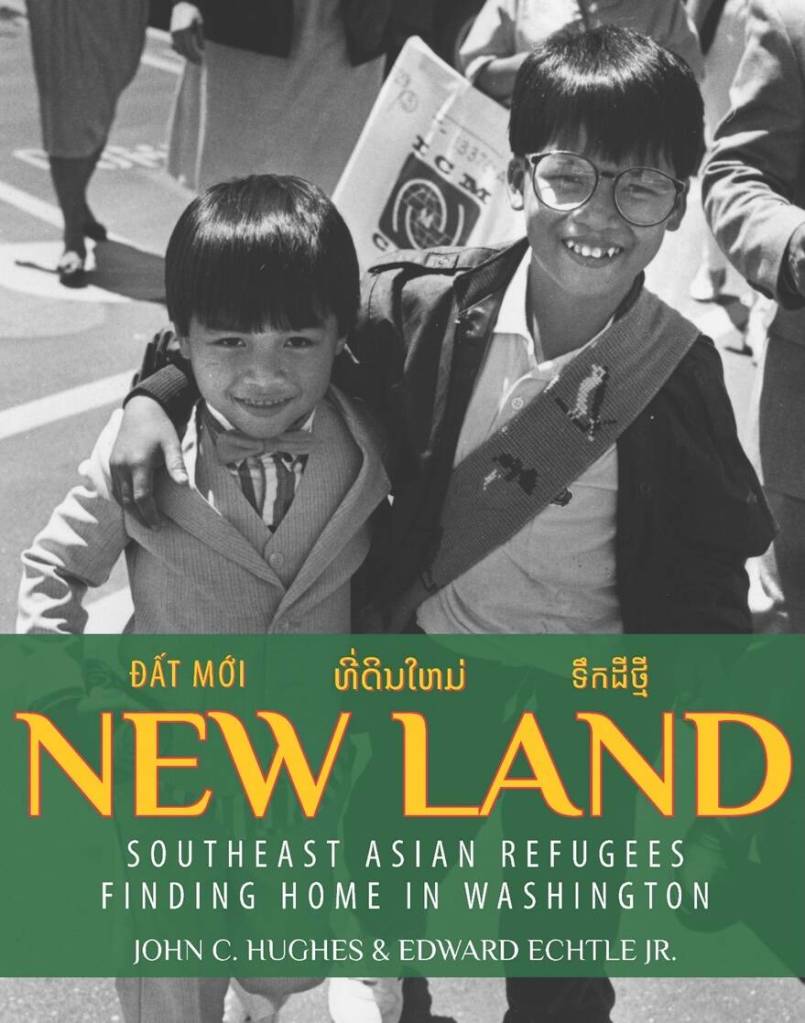
#7: “New Land: Southeast Asian Refugees Finding Home in Washington,” by Edward Echtle Jr. and someone by the name of John C. Hughes.
I make no apologies for promoting a book I co-wrote because the refugee/immigrant stories it shares are so timely. Echtle is a terrific historian — one of the best I’ve ever known — with wide-ranging experience documenting Asian-American history in the Northwest. “New Land” spotlights tiny Willapa Harbor’s determination to welcome hundreds of the millions of refugees who fled Southeast Asia 50 years ago after the communist victories in Vietnam, Laos and Cambodia. The humanitarianism of President Gerald R. Ford and Gov. Dan Evans jumps off the page in comparison to today’s xenophobia. The two Republicans were incredulous that California Gov. Jerry Brown, ostensibly a liberal Democrat, opposed resettlement of any substantial number of refugees in his state.
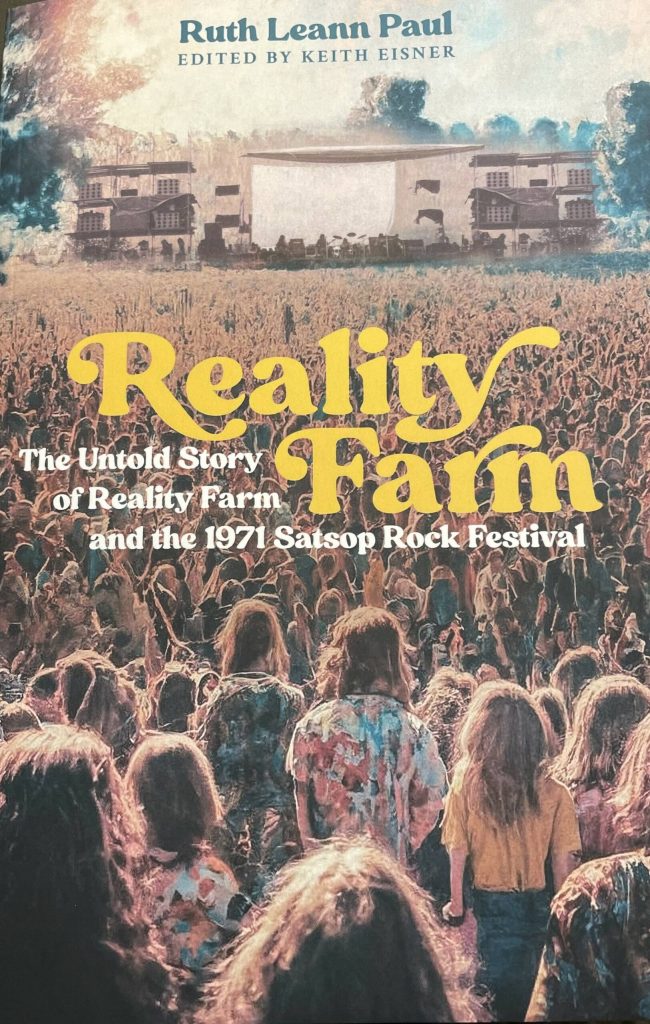
#8: “Reality Farm: The Untold Story of the 1971 Satsop Rock Festival,” by Ruth Leann Paul.
If you were there — and I was — you remember the mud, the music, and the marijuana of “West Coast Woodstock.” I also glimpsed the financial reality — chaos unfolding behind the scenes. Leann Paul’s family, which had leased the 77-acre farm, was falling victim to a brazen con man. This remarkable book is the autobiography of a resilient woman who experienced the state’s first-ever legal rock festival from ground zero at the age of 15 and spent decades documenting a shameful tale of inept duplicity by state and local officials.
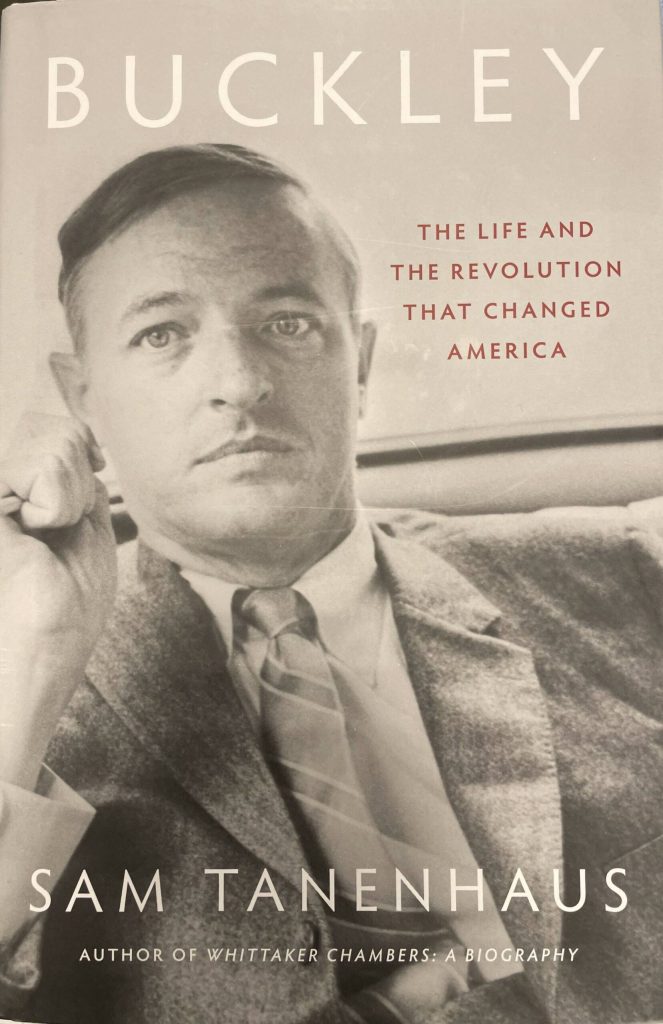
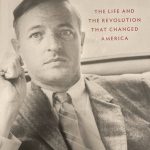
#9: “Buckley: The Life and the Revolution that Changed America,” by Sam Tanenhaus.
William F. Buckley Jr., the most influential intellectual of the postwar conservative movement, achieved fame at 25 in 1951 with his book “God and Man at Yale.” Buckley charged that his professors’ hostility to religion subverted American ideals, namely Christianity, capitalism, and individualism. Buckley’s National Review magazine became the voice of movement conservatism, which in due course gave us Goldwater and Reagan. Buckley’s long-running “Firing Line” show on PBS (!) showcased his dazzling patrician wit and his willingness to feature a cornucopia of liberal guests, from George McGovern to Christopher Hitchens. Buckley also demonstrated the capacity to change his mind, notably about segregation and the war in Vietnam. But what would Buckley, who died in 2008, think of Donald J. Trump’s presidency, especially the smarmy bromance with Putin? This thousand-page biography is a must-read.
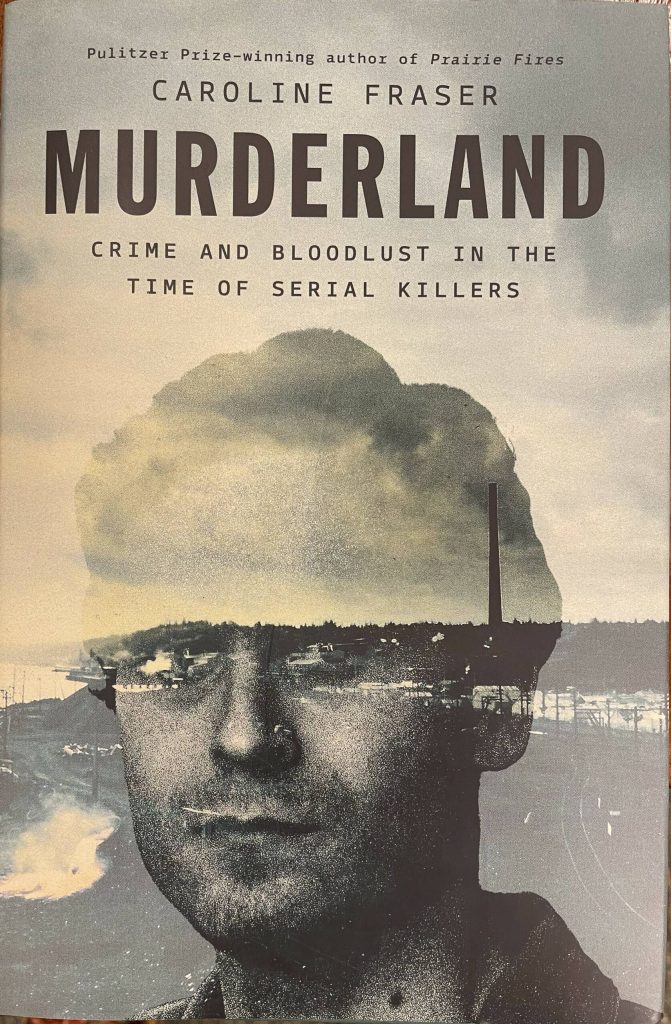
#10: “Murderland: Crime and Bloodlust in the Time of Serial Killers,” by Caroline Fraser.
Fraser grew up on Puget Sound during an epidemic of serial rapists and killers. Crime in Washington was nearly three times the national average, according to an FBI report. With fascinating cartographical detail, the Pulitzer Prize winner channels Ann Rule and Rachel Carlson, arguing that dangerously high levels of lead, arsenic and heavy metals in the Northwest’s water, soil, and air might have warped the brains of Ted Bundy and Gary Ridgway, the Green River Killer. Bundy spent his childhood in Tacoma not far from the notorious ASARCO smelter. And Ridgway grew up in its plume near Sea-Tac Airport. That the smelter was a toxic time bomb is undeniable. Tacoma native Booth Gardner, our ebullient two-term governor, “absolutely” believed it was the source of the cruel Parkinson’s disease that ultimately claimed his life.
John C. Hughes was chief historian for the Office of the Secretary of State for 17 years after retiring as editor and publisher of The Daily World in 2008.