Coastal tuna fishery flounders under high fuel prices
Published 1:30 am Tuesday, August 11, 2026

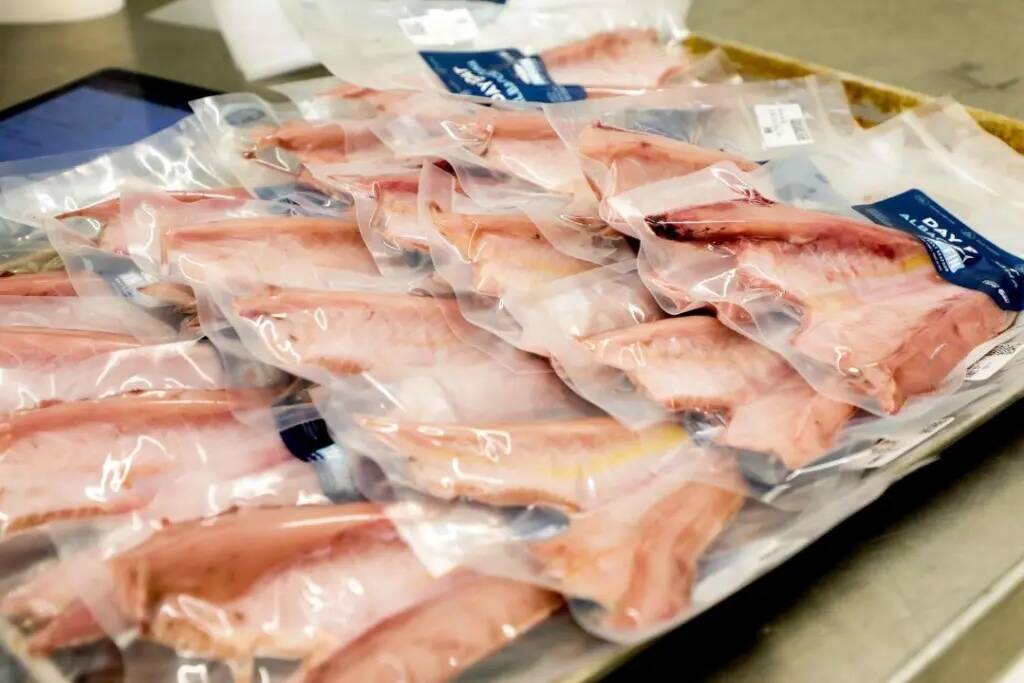

The 2026 commercial albacore tuna season is off to a limping start, beleaguered by high fuel prices, sporadic fishing and fewer fishermen.
“Our expenses have gone up over 30% overall,” said commercial fisherman Kris Griffith, 41. “It’s been a struggle to figure out how we’re going to do best.”
Soaring fuel prices, including marine diesel, have made the necessary offshore trips — which typically require fishermen to travel at least 50 miles into the Pacific to reach the tuna fishing grounds — increasingly less lucrative (and less appealing) to commercial fishermen already operating on increasingly narrow margins.
Washington albacore tuna landings, participation sink
Commercial albacore tuna landings this season are on pace to potentially set a record low for Washington.
Approximately 268 metric tons of tuna have been landed in Washington this season, averaging $2.06 per pound and generating roughly $1.2 million in revenue, according to figures from the Pacific Fisheries Information Network.
The total so far is only about 5% of the total landed last year (4,788 metric tons), with overall participation down roughly 60% from the same period, with just 52 vessels this season compared to 128 last year.
Still, there’s time for the season to turn around, as August has historically been the month with the biggest landings before subsiding in the autumn season. Traditionally, the season starts unofficially by mid-July, when migrating tuna begin to arrive offshore in numbers.
The highest commercial albacore landings in Washington occurred during the 2003 season, when 10,793 metric tons of tuna were caught (averaging 0.66 cents per pound and generating $15 million in revenue at the time). Approximately 352 vessels participated that season among 52 dealers, compared to 52 vessels and just seven dealers this season.
Washington commercial tuna landings by year:
2026: 268 metric tons; $2.06 (average price/pound); $1.2 million (ex-vessel paid)
2025: 4,788 metric tons; $1.97 (average price/pound); $20.7 million
2024: 2,181 metric tons; $1.52 (average price/pound); $7.2 million
2023: 2,505 metric tons; $1.25 (average price/pound); $6.8 million
2022: 4,719 metric tons; $2.10 (average price/pound); $21.8 million
2021: 2,302 metric tons; $2.00 (average price/pound); $10.1 million
2020: 4,946 metric tons; $1.49 (average price/pound); $16.2 million
2019: 4,321 metric tons; $1.67 (average price/pound); $15.9 million
2018: 4,162 metric tons; $1.61 (average price/pound); $14.7 million
2017: 5,194 metric tons; $2.05 (average price/pound); $23.4 million
2016: 7,051 metric tons; $1.59 (average price/pound); $24.7 million