Wild Thyme Farm is Washington Tree Farmer of the Year
Published 1:30 am Monday, June 22, 2026
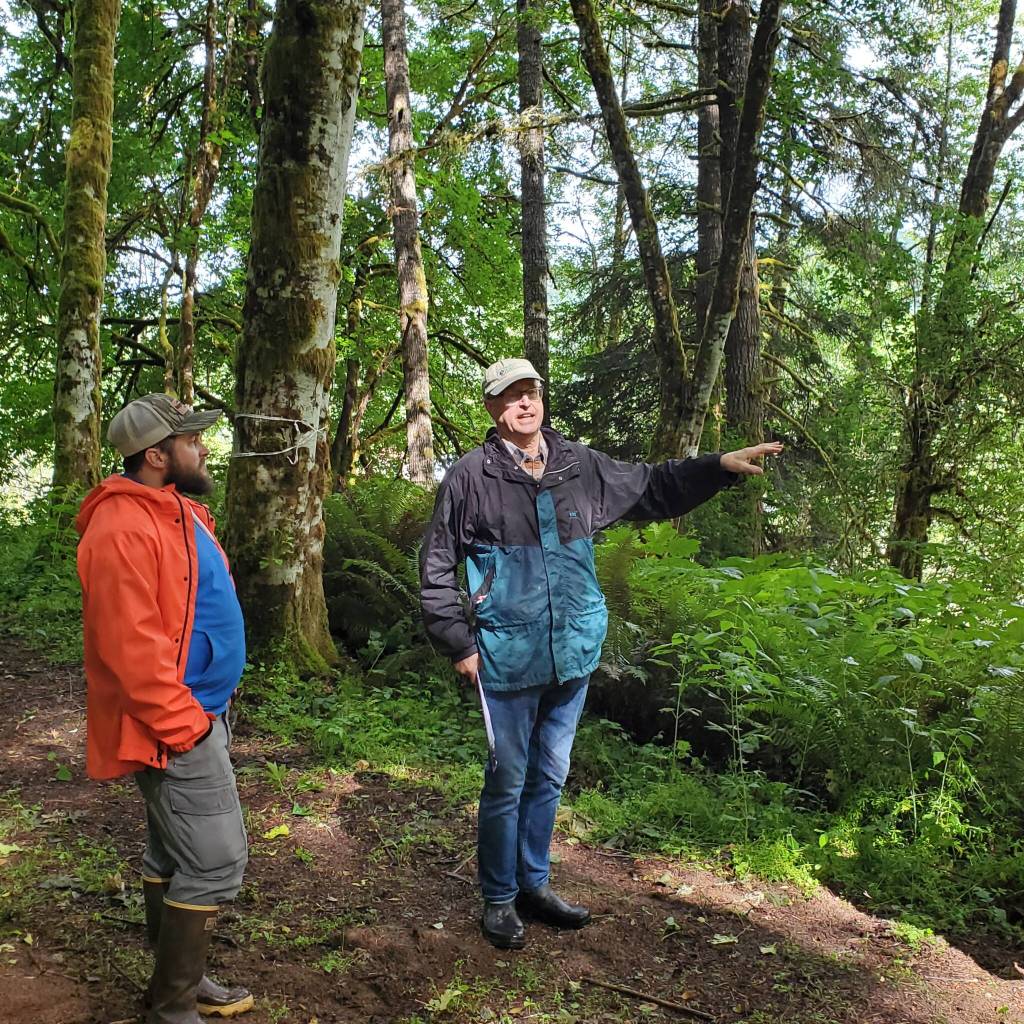
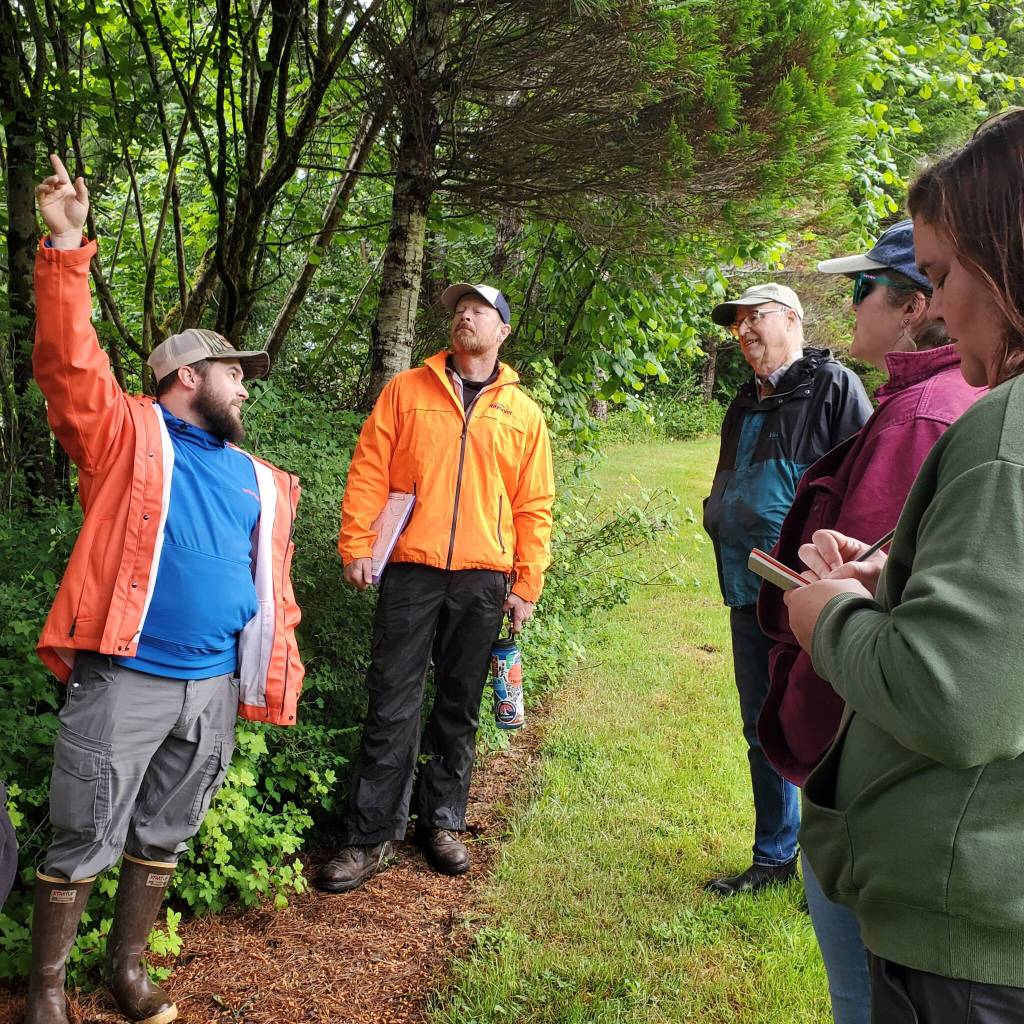
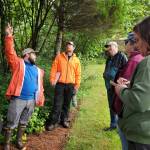
It’s fitting that a couple of weeks following Wild Thyme Farm being recognized as Washington Tree Farmer of the Year that John Henrikson hosted a tour for students in Grays Harbor College’s forestry program.
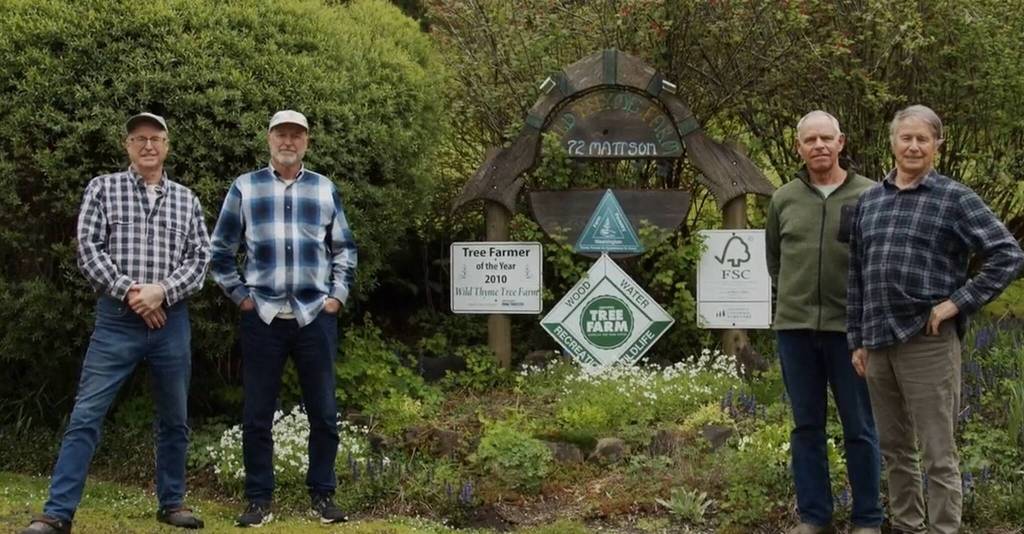
Henrikson is one of four brothers who owns Wild Thyme Farm – the others are Richard, Robert and Jack. Since their purchase in 1987 of a 200-acre former dairy farm outside of Oakville, the brothers have updated the outbuildings and landscaped the surrounding area to make it an ideal setting for a retreat center, which has been their long-term vision. (The farm is now 140 acres following the selling of property along the river.)
The students were taking Modern Land Management, which covers cutting-edge subjects related to forestry, such as unmanned aerial vehicles, state and federal small landowner programs and carbon sequestration.
“There’s a lot of students who are interested in either becoming small landowners or working with small landowners, so they need to know about all these things,” said Patrick Mahoney, a forest resource management instructor at Grays Harbor College.
Wild Thyme Farm is the ideal case study for how a small forest landowner family has chosen to steward their land. Henrikson has participated in the Conservation Reserve Program through the USDA Farm Service Agency, explored the feasibility of enrolling in a carbon program and experimented with silviculture practices. He’s also a member of the Department of Natural Resources (DNR) Small Forest Landowner Office Advisory Committee, and the National American Tree Farm System Standards Committee.
But perhaps more importantly, the brothers had no background in forestry before purchasing the property, and their receiving multiple awards — last year, the farm was awarded Lewis County Tree Farmer of the Year — is a testament to the robust forestry education opportunities offered by DNR, Washington State University Extension Forestry Program and forestry-focused nonprofits, and the camaraderie within the small forest landowner community to open their forests to other families and members of the public.
The tour that Henrikson was hosting is one of many that he has hosted, and wants to continue hosting, to showcase the role that small forest landowners play in providing ecosystem services that are valued by society.
It’s reason why Bob Obedzinski, a tree farm inspector with the Washington Tree Farm Program, nominated Wild Thyme Farm for the award.
“[John’s] involvement in the community, his willingness to share his information to the community by inviting people up and being involved with several groups all the way to local level government forestry all the way to the national level,” said Obedzinski.
Henrikson took the students on a tour of a red-alder dominated riparian area that he will log later this year. He is a proponent of active management in riparian areas, and recently, an interdisciplinary team with representatives from DNR, Ecology and the Quinault Indian Nation visited to discuss his alternate plan to allow for logging within the riparian buffer, and with a few minor tweaks, the plan was approved.
“This summer will be the conclusion of our major harvest cycle in my lifetime and I’m just targeting the age class of alder that’s now pushing anywhere from 55 to 80 years old, and you’ll see evidence of that where it’s in total decline and on its way to decline,” Henrikson said.
During the tour, Henrikson explained how harvest operations have been conducted and the long-term management objectives of moving toward a
50-50 hardwood conifer forest and shared lessons learned from 40 years of stewardship.
“At some point I asked the question, is it me managing the land or is the land managing me to manage it,” Henrikson asked. “Because I’m constantly taking cues and responding to what works here, because you don’t want to force something on this landscape.
The tour also included guessing the species of non-native trees planted along the trails — coastal redwood and black locust seeing examples of agroforestry with the planting of fruit and nut trees and berries.
“We’re finding booms in animal populations that haven’t been here before,” said Henrikson. “Band-tailed pigeon is one that requires the mass from nuts and fruit trees and they’ve come here in flocks. And all the little critters like squirrels and chipmunks that I never used to see here. They’re all over the place now so that ties into the concept of high utilization, in that the landscape is nutrient dense and highly productive.”
The last stop was a restoration area along Garrard Creek, a major tributary of the Chehalis River, that was through the Conservation Reserve Program. Restoration began in 2000 and over the years has seen the planting of thousands of trees on seven acres. The restoration wasn’t easy.
“You’re trying to take something that’s had 80 years to settle into a grassland regime, and now you just want to flip it to forests, and they say, ‘Hell no,’” Henrikson said.
There were also voles that girdled the trees, and not all the planted 20 different trees species took to the site.
After the trees portion of the tour, Henrikson showed the forest products side of the property, taking the students through the building filled with upright lumber ready for sale, the building where the wood is dried and the wood working room.
As the tour wrapped up, Henrikson offered a final thought on what it means to be a small forest landowner.
“There’s something about this level of engagement and the demand, it becomes more,” he said. “What you find out is that you’re in service to the land, as you would be in any relationship.”
To view the video of Wild Thyme Farm and other tree farmer of the year nominees, visit https://www.youtube.com/@washingtontreefarmprogram2674. The Washington Tree Farm Program will schedule a tour of Wild Thyme Farm later this summer.