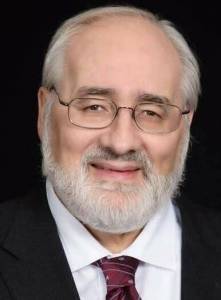
Sheriffs elected to enforce, not define, the law
Published 1:30 am Thursday, March 12, 2026
Klickitat County Sheriff Bob Songer — and law enforcement officers who echo his approach — are undermining our nation’s rule of law. Regardless of their self-defined righteousness, sheriffs are elected to enforce the law, not define it.
In a recent Columbian article, Songer confirmed that when he oversaw the Klickitat County Jail, he sent daily jail rosters to U.S. Immigration and Customs Enforcement and the Department of Homeland Security. The Keep Washington Working Act, passed in 2019, restricts cooperation between law enforcement in the state and federal immigration agencies.
“I have made it clear that I will work with ICE,” Songer said in a Feb. 13 phone interview. “And I don’t care if the attorney general or the governor take issue with it.”
When asked whether he is concerned about consequences for violating state sanctuary law, Songer laughed, according to The Columbian: “Oh no, I’m defying an unconstitutional law? Just because the state has a law doesn’t mean it’s constitutional. As sheriff, that’s my opinion.”
That should be appalling to all Americans; sheriffs do not determine what is constitutional. As Clark County Prosecuting Attorney Tony Golik said in 2022: “I think law enforcement officers are not the arbiters of what laws are constitutional. Just like prosecutors are not the arbiters. The courts are. There have been laws passed by the Legislature, there are situations where the courts decide laws are unconstitutional. But our system is set up where the courts decide on it.”
Yet the Constitutional Sheriffs & Peace Officers Association has led a national movement to embolden law enforcement leaders to act as the sole arbiters of constitutionality. Songer is listed on the organization’s website as a board member.
In 2022, Rey Reynolds ran an unsuccessful campaign for Clark County sheriff, saying he would not enforce a series of gun-control measures passed in statewide votes. Reynolds invoked the names of Martin Luther King Jr. and Rosa Parks to defend his indefensible position.
As Columbian columnist Greg Jayne wrote at the time: “Fighting injustice as a private citizen is a courageous act; doing so as an elected law enforcement official is a dictatorial one. When those in power establish themselves as the sole referee in determining what is constitutional, we devolve into a totalitarian state.”
That should give pause to those who believe the United States is a nation of laws. Consider, for example, some extreme alternatives.
What if a sheriff believed that all immigration laws were unconstitutional and declined to arrest anybody who was in this nation illegally? What if a sheriff believed that owning a gun was illegal unless a citizen is part of a well-regulated militia and arrested anybody with a firearm? What if a sheriff believed that holding a murder suspect for more than one day violated their Sixth Amendment right to a speedy trial and set them free?
These examples are no more absurd than Songer deciding he can determine what is and is not constitutional. And they lead to questions about what other laws Songer — and other members of the constitutional sheriff movement — are unwilling to enforce.
As Jessica Pishko, author of “The Highest Law in the Land,” said during an interview with NPR: “Constitutional sheriffs would argue that there is no one who can tell them what to do. So not the president, not the Supreme Court, not the governor, not the legislature.”
Such an arrogant, dictatorial viewpoint represents a danger to our nation.